Modular Custom Furniture for Small Apartments: Maximizing Space and Style
Maximize Every Inch: Modular Custom Furniture for Small Apartment Living

Anúncios
Have you ever felt challenged by the lack of space in your home, dreaming of an environment that combines functionality and beauty? The quest for intelligent design is the desire of every urban resident.
The ultimate solution lies in Modular Custom Furniture for Small Apartments, an approach that ensures the millimetric utilization of every inch. This method transforms constrained living areas into sophisticated, highly efficient homes.
Anúncios
Understanding Custom Furniture Modularization
Understanding custom furniture modularization is fundamental for anyone seeking to optimize apartment spaces, particularly in urban settings where square footage is at a premium.
This design discipline moves beyond simple storage solutions, offering a holistic approach to interior design.
Anúncios
Knowing exactly how these versatile pieces function can completely transform your perception of home space, converting tight areas into highly efficient, comfortable living zones.
By choosing modular furniture, you are not just selecting components; you are implementing a strategy that ensures every centimeter of your space is utilized in an intelligent, functional, and aesthetically pleasing manner.
These pieces are not merely decorative items but practical, adaptable solutions that seamlessly integrate with diverse needs and complex layouts.
They empower you to personalize every corner of your home, perfectly reflecting your personal style while rigorously harmonizing with the functional demands of the space.
What is Furniture Modularization?
Furniture modularization is an advanced design technique that involves creating standardized pieces, or “modules,” which can be combined, stacked, or adjusted in various configurations according to the specific dimensions of the available space.
This systematic approach means that units can be easily assembled, reconfigured, and even relocated as needed, providing crucial, long-term adaptability to your living environment.
This inherent flexibility—the ability to grow and change with your life—is one of the principal advantages of modular design.
Key Advantages of Modular Furniture
The benefits of investing in modular custom furniture extend far beyond mere space-saving:
- Optimal Space Utilization: Each module is meticulously designed and produced made-to-measure to fit perfectly into the environment, especially challenging corners and recesses, thus maximizing every inch of usable area.
- Total Customization: You have complete control to select and match colors, sophisticated finishes, high-quality materials, and overall styles according to your preference and precise aesthetic vision, ensuring the final product is a true extension of your personality.
- Enhanced Functionality: Modular options excel in incorporating practical, ergonomic solutions. These include integrated features like hidden drawers, smoothly operating pull-out tables, rotating shelves, and adjustable components that streamline daily tasks.
- Cost-Effectiveness and Longevity: While the initial investment may be higher, choosing custom modular pieces is often more economical in the long run than purchasing mismatched, individual furniture. The high durability and perfect fit translate into less waste and a greater return on your investment over time.
This precise personalization is a major draw for urban dwellers who value both aesthetic coherence and high efficiency in every detail.
Additionally, the inherent structure of the modules allows for easier transport and maintenance, as pieces can be strategically disassembled and reconfigured when necessary.
This level of flexibility is absolutely ideal for those who frequently move or enjoy redecorating and reorganizing their spaces.
Understanding custom furniture modularization is thus the most critical first step toward strategically transforming your apartment.
By choosing the right modular system, your selections will not only contribute to a more beautiful, coherent space but also introduce robust solutions that actively streamline and improve your daily life.
Design Benefits of Modular Furniture in Apartments

The advantages of implementing a modular design approach in apartments are numerous and highly impactful, offering strategic solutions for modern urban living.
This method is the key to unlocking the full potential of restricted areas, enabling small spaces to be utilized with extreme efficiency, resulting in a visually harmonious and superiorly functional environment.
This is especially vital in apartments and condos where every single square meter represents significant value and must be accounted for.
A cornerstone benefit is the deep personalization afforded by custom modular furniture.
Unlike ready-made pieces, modular systems allow you to choose exactly how your space will be organized, adapting components, dimensions, and configurations to meet your specific daily routines, storage needs, and lifestyle requirements for maximum comfort and practicality.
Maximizing Space and Utility: The Efficiency Equation
One of the biggest, most persistent challenges in small apartments is achieving genuine space optimization.
Modular pieces are not just smaller; they are expertly engineered to integrate into challenging architectural features, fitting perfectly into awkward niches, around columns, and under windows, allowing you to maximize your floor area and significantly increase usable storage volume.
This is dramatically evident in smaller rooms, such as home offices or bedrooms, where traditional, rigid furniture would be bulky, impractical, and quickly consume valuable real estate.
Style and Aesthetics: Form Meets Function
Moving far beyond basic utility, modern modular furniture proves that you never have to sacrifice style for space.
These pieces are available in a vast variety of contemporary and timeless designs, sophisticated finishes (like matte laminates or high-gloss wood grain), and hardware options that can be meticulously tailored to your personal taste.
This means you gain the dual benefit of optimizing every inch of your apartment while simultaneously maintaining a beautiful, curated, and highly inviting aesthetic that elevates your living experience.
Features of Modern Modular Design:
- Total Personalization of Design and Materials: Ensures truly unique spaces that reflect the owner’s identity, from choosing door styles to integrated lighting.
- Easy Adaptation to Different Layouts: The modular nature allows for reassembly to fit new rooms or layouts if you move, preserving the value of your investment.
- Multifunctional Pieces: The true hero of small spaces, serving more than one purpose—think storage beds, transforming console-to-dining tables, or hidden murphy desks.
- Contemporary and Seamless Style: Integrates flawlessly, creating clean lines and a built-in look that makes the entire apartment feel larger and more cohesive.
Furthermore, the ease of assembly and strategic disassembly is a significant logistical advantage.
The modular nature means pieces can often be reconfigured quickly, which is beneficial if you move frequently or simply wish to rearrange your layout to introduce a fresh dynamic to the space.
Coupled with the inherent durability and quality of materials in custom modular systems, this approach provides a strong return on investment, often leading to long-term savings by minimizing the need for replacements.
How to Choose Custom Furniture
Choosing custom furniture is a significant investment that requires careful thought, but with a structured approach, the experience can become profoundly enjoyable and satisfactory.
Before diving into designs and materials, it is absolutely essential to conduct a deep assessment of your needs, routines, and lifestyle.
Understanding how you intend to use each specific space, from everyday activities to long-term storage, is the foundation for the entire project.
Making these informed and purposeful decisions ensures that your chosen furniture will be not only visually stunning but also inherently practical and highly functional.
Measurement and Flow are Crucial: Precision is Paramount
The single most critical step is to obtain precise measurements of your environment. This goes beyond simple wall-to-wall distances; it involves noting the placement of electrical outlets, windows, radiators, and doors.
Knowing the exact dimensions of every nook and cranny allows your designer to accurately visualize how each custom piece will fit, preventing costly, unpleasant surprises during installation and guaranteeing perfect compatibility.
Equally important is planning the furniture arrangement to ensure an optimal flow of traffic within the room, maintaining open pathways and avoiding cramped areas.
Balancing Style and Functionality: Form Serves Purpose
The ultimate success of your custom furniture lies in its ability to perfectly balance aesthetic style with practical functionality. Start by clearly defining the desired look and mood of your space.
Explore the wide range of finishes, textures, colors, and designs available. The ideal choice is a style that authentically reflects your personality and seamlessly complements your existing décor and architectural elements.
Critically, ensure that the chosen form enhances, rather than hinders, the furniture’s purpose.
Budgetary Planning: Defining Investment Boundaries
Your budget acts as a crucial guiding factor throughout the process.
Custom furniture costs can vary significantly based on the materials (e.g., MDF density, wood veneers), the complexity of the hardware (e.g., soft-close slides, lift mechanisms), and the degree of personalization required.
It is highly advisable to define a clear budget in advance and communicate it openly with your supplier. This strategy ensures you make conscious, quality-driven choices without the risk of overextension, maintaining fiscal responsibility from the start.
- Prioritize Multifunctional Pieces: Always lean towards modular units that maximize utility and space by serving multiple functions (e.g., built-in desks, hidden storage).
- Verify Material Durability: Closely consider the durability and resistance of chosen materials (like high-quality MDF or scratch-resistant laminates) relative to the intended use (e.g., kitchen vs. closet).
- Request Samples and Vetting: Request material samples to verify the quality, texture, and aesthetic alignment in your home’s lighting. Furthermore, research the supplier’s reputation, checking customer reviews, guarantees, and after-sales support.
Finally, dedicate ample time to selecting the finishing details—such as handles, built-in LED lighting, and internal accessories—as these small elements often make the greatest difference in the final look and feel.
Leverage the power of modularization to refine these details, ensuring your final space is not just organized, but truly unique, personalized, and exceptionally efficient.
Design Tips for Small Spaces
When maximizing small spaces, design is crucial. Intelligent design tips for small apartments can transform your environment, making it more functional, spacious, and aesthetic.
The clever use of color, furniture, and lighting can dramatically affect the perception of space.
Optical Illusions: Color and Light
One main strategy is opting for light colors. They help create a sense of amplitude and luminosity. Painting walls in neutral or pastel shades makes the space appear more open and airy.
Combine this with good natural lighting whenever possible for the best results.
Appropriate Furniture Selection
Another important tip is selecting furniture that occupies less space but offers multiple functionalities. Favor multipurpose furniture, such as sofa beds, nesting tables, or foldable desks.
These items adapt easily to your lifestyle and can be used on demand.
Vertical Organization
Utilize your walls to maximize storage capacity. Installing high shelves is an excellent way to free up floor space and display objects in an organized manner.
Consider using hooks and supports to hang items like kitchen utensils, bags, or even bicycles.
- Use mirrors strategically to create an illusion of depth and reflect light.
- Limit clutter and decorative items on surfaces to prevent a cramped look.
- Choose lightweight curtains or blinds that let light through without blocking windows.
- Invest in furniture with exposed legs to allow you to see more floor, visually expanding the room.
The furniture arrangement is also essential. Layouts that facilitate easy circulation help prevent the feeling of tightness.
A good practice is to create “zones” within the space, separating areas for relaxation, work, and dining, ensuring that functionality and aesthetics coexist harmoniously.
Common Mistakes in Furniture Modularization
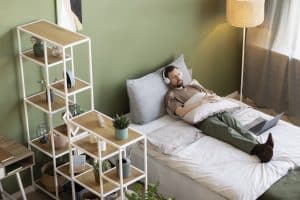
When embarking on a modular furniture project, it is surprisingly easy to make critical mistakes that can severely compromise the space’s long-term functionality, safety, and aesthetic appeal.
One of the most frequent and costly errors is the fundamental lack of adequate preliminary planning.
Relying on inaccurate measurements or proceeding without a comprehensive, detailed design project, often featuring 3D visualization, is a recipe for disaster, frequently resulting in custom pieces that simply do not fit the intended space or render the environment cramped and uncomfortable.
Choosing Inadequate Materials: The Cost of Cutting Corners
Another highly common mistake is allowing the focus to rest solely on aesthetics while dangerously ignoring material durability and resistance to wear and tear.
Attempting to save money by opting for low-quality materials or inferior hardware (like drawer slides and hinges) is a false economy.
This decision invariably leads to problems such as rapid degradation, structural instability, difficult maintenance, and eventual premature replacement, ultimately costing significantly more than the initial investment in quality components.
Ignoring Available Space and Traffic Flow
This is a fundamental design blunder in small spaces. Buying or commissioning furniture that is too large, too deep, or ill-suited for the actual dimensions of a small apartment is a sure path to failure.
Overly massive pieces drastically restrict essential movement, create accessibility issues, and make the entire room feel claustrophobic and visually crowded.
You must always meticulously evaluate the exact dimensions and, crucially, plan for the unimpeded traffic flow throughout the space before finalizing any design or production decision.
Disregarding Functionality: Beauty Without Purpose
Many clients are understandably drawn in by the sheer beauty or unique design of a modular concept but completely forget its primary purpose in their daily life.
Every single piece of custom furniture, no matter how beautiful, must have a clear, dedicated function that actively contributes to the practicality and efficiency of the daily routine.
A stunning piece that obstructs an entrance or fails to solve a crucial storage problem is, by definition, a poor and regrettable choice.
- Avoid Over-Decorating: Excessive objects, knick-knacks, and clutter on modular surfaces create visual noise and negate the clean, minimalist look intended by the design.
- Prioritize Lighting: Never neglect strategic lighting, as it is crucial for creating a spacious, warm, and welcoming atmosphere. Modular systems should incorporate built-in, functional lighting.
- Stick to the Budgetary Plan: Avoid straying from the defined budgetary framework; last-minute, impulsive additions or upgrades often lead to rushed, regretted choices and overspending.
- Demand Versatility: In small apartment living, versatility is non-negotiable. Ensure your chosen pieces can serve multiple functions (e.g., transforming tables, retractable desks) to maximize space utility.
Conclusion: The Next Step to Your Ideal Space
Modular Custom Furniture for Small Apartments is the definitive solution for those seeking to live with comfort, style, and intelligence in urban centers.
By investing in detailed planning and the selection of multifunctional modules, you transform a restricted space into a home that celebrates your individuality and optimizes your routine.
For a successful custom furniture project, remember that it should be a collaborative journey.
Specialized companies utilize a structured process that includes technical measurement, 3D project presentations, and the meticulous selection of hardware and finishes.
This specialized consultation ensures that every step is executed with maximum precision and quality, turning your dreams into a tangible and durable reality.
Do not start your project without the guidance of experts who master this art.
To explore high-quality, innovative multifunctional furniture solutions designed specifically for maximizing small spaces, visit:
https://resourcefurniture.ca/?srsltid=AfmBOoogrS_hGUK5U5gIVoRWYMYKq-zPxm_hZr9bwQ_fPuO_mfK_gX16
Start Your Personalized Design Journey
| Key Aspect | Summary |
|---|---|
| 📝 Planning | Always measure and plan meticulously before selecting any piece. |
| 🎯 Functionality | Choose furniture that meets your specific daily needs and lifestyle. |
| ❌ Common Errors | Avoid inaccurate measurements and neglecting material quality/durability. |
| 💡 Lighting | Leverage natural light and strategic fixtures to enhance the feeling of space. |
| 🎨 Personalization | Your furniture must reflect your unique personality and aesthetic. |
FAQ – Frequently Asked Questions about Custom Modular Furniture
-
What is the main advantage of using custom furniture? The main advantage is optimal space utilization, allowing you to maximize every square meter of your apartment.
-
How can I avoid mistakes when choosing modular furniture? Avoid errors by measuring the space accurately beforehand and prioritizing pieces that meet your functional needs.
-
Is it possible to personalize custom furniture? Yes, custom furniture can be fully personalized in terms of colors, materials, and designs, reflecting your personality and style.
-
What materials are recommended for custom furniture? High-quality, durable materials such as MDF, solid wood, or resistant laminates are recommended for their longevity and ease of maintenance.
Liked the article?