2026: Exclusive Education & Course Discounts Up to 50% Off

Advertisements
Accessing substantial savings on education and courses in 2026 is achievable by leveraging exclusive discounts and strategic insights, enabling learners to secure up to 50% off their desired programs.
Advertisements
In an ever-evolving world, continuous learning is not just an advantage; it’s a necessity. However, the cost of quality education and professional development can often be a significant barrier. This is where the strategic pursuit of exclusive education discounts becomes invaluable. For 2026, we’ve compiled an updated guide to help you navigate the landscape of educational savings, ensuring you can access top-tier courses and programs without breaking the bank, potentially saving up to 50% or more. Whether you’re aiming to upskill, reskill, or simply explore a new passion, understanding where and how to find these coveted deals is your first step towards affordable academic success.
Understanding the 2026 Landscape of Educational Discounts
The educational landscape in 2026 is dynamic, with a growing emphasis on accessible learning. This shift has led to an increase in varied discount opportunities, extending beyond traditional student aid. From massive open online courses (MOOCs) to specialized certifications, providers are increasingly using discounts to attract learners and make education more equitable. Identifying these trends is crucial for maximizing your savings.
Many institutions and platforms are now recognizing the value of flexible learning models, and with that comes a more nuanced approach to pricing. This means that merely searching for ‘student discounts’ might only scratch the surface of available opportunities. A proactive and informed approach is essential to uncover the deepest savings.
The Rise of Micro-Credentials and Short Courses
2026 sees a continued surge in demand for micro-credentials and short, specialized courses. These programs, often offered by universities and private providers, are designed to quickly impart specific skills. Due to their modular nature and competitive market, they are frequently subject to promotional discounts.
- Targeted Promotions: Keep an eye out for seasonal sales or launch offers on new micro-credential programs.
- Bundle Deals: Some platforms offer reduced rates when you enroll in a series of related short courses.
- Industry Partnerships: Check if your employer or professional organization has partnered with providers for exclusive rates.
The evolving nature of work demands continuous skill refinement, making these concise educational offerings particularly valuable. Their lower entry cost, coupled with potential discounts, makes them an attractive option for career advancement or personal enrichment.
Leveraging Online Learning Platforms
Online learning platforms continue to be a fertile ground for discounts. Major players often run promotions, especially during holidays or enrollment periods for their premium subscriptions. Understanding their typical discount cycles can give you a significant edge in securing better deals.
In conclusion, the 2026 educational discount landscape is rich with opportunities for those who know where to look. By staying informed about trends in micro-credentials and actively engaging with online learning platforms, you can significantly reduce your educational expenses and invest in your future.
Strategic Approaches to Uncover Deep Discounts
Finding significant savings on education requires more than just a casual search; it demands a strategic, multi-pronged approach. The most substantial discounts often aren’t advertised universally but are instead found through specific channels and proactive engagement. Developing a clear strategy will help you systematically uncover these opportunities, ensuring you don’t miss out on potential savings of up to 50% or more.
This involves understanding various discount categories and knowing which avenues to explore based on your personal circumstances and desired learning path. From professional affiliations to academic status, each element can unlock different tiers of savings.
Affiliation-Based Discounts
Many educational providers offer special rates to members of specific organizations or groups. These can be some of the most consistent and substantial discounts available, often overlooked by general applicants. It’s worth investigating any affiliations you might have.
- Professional Associations: Membership in industry-specific organizations often grants access to discounted courses and certifications relevant to your field.
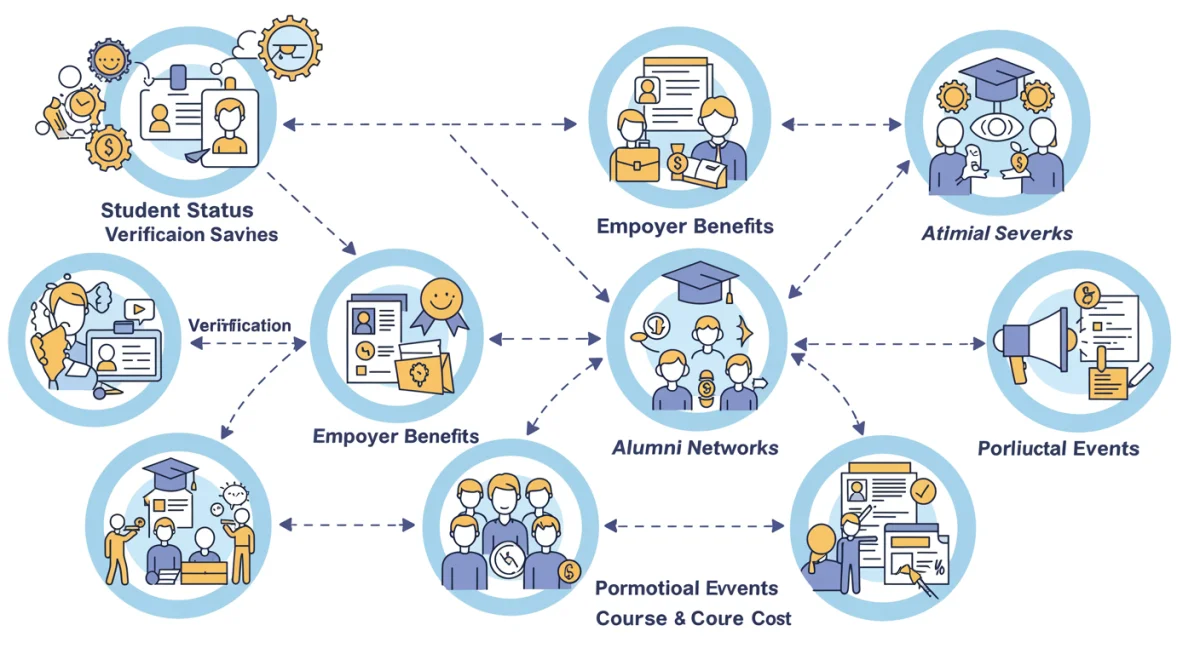
- Alumni Networks: If you’re a graduate, your alma mater might offer reduced tuition for continuing education or even for family members.
- Employer Programs: Many companies have educational benefits, including tuition reimbursement or direct partnerships with learning institutions for employee discounts.
These affiliation-based discounts are a cornerstone of smart saving. They leverage existing connections to provide tangible financial benefits. Always inquire about these options before committing to a full-price enrollment.
Early Bird and Referral Programs
Timing can be everything when it comes to educational discounts. Many courses and programs offer significant reductions for early registration, incentivizing planners. Similarly, referral programs can benefit both the referrer and the new student, creating a win-win scenario.
Furthermore, platforms often experiment with new course launches, providing introductory offers to build initial enrollment. Being an early adopter can sometimes lead to unexpectedly high discount percentages. Always check the registration deadlines and any available referral codes from friends or colleagues.
In summary, a strategic approach involves leveraging your existing affiliations and being timely in your applications. These methods, when combined, significantly increase your chances of securing substantial educational discounts.
Leveraging Student Status and Institutional Partnerships
For those currently enrolled in academic programs or considering formal education, student status is a powerful key to unlocking a wide array of discounts. Educational institutions often form partnerships with external course providers, software companies, and even other universities to offer their students reduced rates. Understanding how to leverage your student identity effectively can lead to considerable savings on supplementary education, tools, and services.
The benefits of student status extend far beyond tuition reductions. Many third-party providers recognize the student market as an important demographic, leading them to offer exclusive deals on everything from software licenses to professional development courses. This ecosystem of support is designed to enhance the learning experience without adding undue financial burden.
Academic Email (.edu) Advantages
Your academic email address, typically ending in .edu, is often your golden ticket to numerous student-specific discounts. Many companies and platforms use this as a primary verification method for student eligibility. Always try registering or inquiring with your .edu email.
- Software and Tools: Companies like Adobe, Microsoft, and various coding platforms offer steep student discounts for their products.
- Online Course Platforms: Some premium features or course bundles on platforms like Coursera or edX might be available at reduced rates for verified students.
- Academic Resources: Access to research databases, academic journals, and specialized learning tools often comes at a lower cost or free for students.
Never underestimate the power of your academic email. It’s a credential that opens doors to a vast network of student-centric benefits.

Exploring Institutional Partnership Programs
Universities and colleges frequently establish partnerships with external educational providers. These collaborations are designed to enrich the student experience by offering additional learning opportunities, often at a discounted rate. It’s crucial to explore your institution’s official channels for such announcements.
These partnerships can range from agreements with professional certification bodies to arrangements with language learning apps. Always check your university’s student portal, academic advising office, or career services for information on these invaluable programs. Leveraging these pre-negotiated deals can save you a significant amount compared to enrolling independently.
In conclusion, actively utilizing your student status and exploring the institutional partnerships your academic establishment has forged can significantly reduce the cost of your educational journey, making advanced learning more attainable.
Navigating Promotional Periods and Special Events in 2026
The calendar year is dotted with various promotional periods and special events that education providers leverage to offer substantial discounts. For 2026, understanding these cycles and knowing when to look can be the difference between paying full price and securing a deal up to 50% off. These periods are strategically chosen to align with common enrollment cycles, holiday shopping seasons, or specific educational initiatives.
Being prepared for these events means more than just being aware of them; it involves proactive planning, such as signing up for newsletters in advance and setting reminders for key dates. This readiness ensures you’re among the first to know when a valuable discount becomes available.
Key Promotional Seasons
Certain times of the year consistently bring about educational discounts. These often coincide with traditional academic calendars or major retail holidays, making them predictable opportunities for savings.
- Back-to-School/Fall Enrollment: August and September often see promotions as students prepare for the new academic year.
- Black Friday/Cyber Monday (November): This retail giant extends its reach to education, with many online course platforms offering significant, albeit brief, discounts.
- New Year/New Skills (January): The start of a new year is a popular time for individuals to set learning goals, leading to a surge in ‘resolution-based’ discounts.
By marking these periods on your calendar, you can strategically plan your course enrollments to coincide with the highest likelihood of discounts. Flexibility in your learning schedule can translate directly into financial savings.
Webinars, Free Trials, and Introductory Offers
Beyond traditional promotional seasons, many providers use webinars, free trials, and introductory offers as a gateway to discounted enrollment. These are often designed to give you a taste of the course content, hoping you’ll convert to a paid student with an exclusive offer.
Attending free webinars related to your desired course can sometimes lead to a special discount code mentioned during the session. Similarly, signing up for a free trial of a platform might result in a follow-up email with a personalized discount to encourage full enrollment. Always engage with these initial offers, as they are often pathways to deeper savings.
In essence, staying attuned to the educational calendar and actively engaging with introductory content during promotional periods are effective ways to secure significant discounts in 2026.
Unlocking Government and Community-Based Educational Support
Beyond institutional and promotional discounts, significant educational savings can often be found through government-backed initiatives and community programs. These resources are designed to make learning more accessible to specific demographics or for particular skill development areas that are in high demand. For 2026, it’s crucial to research these less-advertised avenues, as they can provide substantial financial relief, sometimes covering a large portion of course costs.
These programs often have specific eligibility criteria, but for those who qualify, they represent an invaluable opportunity. They are typically focused on workforce development, bridging skill gaps, or supporting underserved populations, making them a vital part of the educational funding ecosystem.
State and Federal Funding Opportunities
In the United States, various state and federal programs exist to support adult education, vocational training, and skill development. These can range from grants for specific certifications to tuition assistance programs for those in qualifying industries or income brackets.
- Workforce Innovation and Opportunity Act (WIOA): This federal program provides funding for job training and education to eligible individuals, often covering tuition for approved courses.
- State-Specific Grants: Many states offer their own grant programs for residents seeking to upskill or reskill, particularly in high-growth sectors.
- Veteran Benefits: Service members and veterans have access to a wide range of educational benefits, including the GI Bill, which can cover significant educational expenses.
Exploring official government websites and connecting with local workforce development agencies are excellent starting points for uncovering these vital funding sources. Eligibility requirements vary, so thorough research is key.
Non-Profit and Community Organization Programs
Local non-profit organizations and community centers often run programs aimed at providing affordable or free educational opportunities. These can include workshops, language classes, or vocational training, sometimes supported by local grants or philanthropic donations.
Check with your local library, community college extension programs, or social service organizations. They often have resources or direct offerings that are either low-cost or entirely free. These programs are particularly valuable for foundational skills or community-focused learning, and while they might not always offer 50% off, they can provide access to education that would otherwise be out of reach.
In conclusion, by looking beyond traditional discount codes and exploring government and community-based support, you can uncover significant financial aid for your educational pursuits in 2026.
The Power of Negotiation and Direct Inquiry for Savings
While many discounts are publicly advertised or found through specific programs, a less common but highly effective strategy for securing educational savings is direct negotiation and inquiry. Many institutions and course providers, particularly for higher-priced programs or certifications, have some flexibility in their pricing. For 2026, a proactive and polite approach can sometimes yield exclusive discounts that are not otherwise published, potentially saving you a considerable amount.
This strategy relies on clear communication, understanding your value as a prospective student, and knowing what to ask for. It’s about building a rapport and presenting a compelling case for why a discount would benefit both parties.
Directly Contacting Admissions or Program Coordinators
Before enrolling, especially in more expensive or specialized courses, consider reaching out directly to the admissions office, program coordinator, or even a sales representative. Express your genuine interest and inquire about any unadvertised scholarships, financial aid, or special circumstances discounts.
- Highlight Your Situation: If you have a specific financial hardship or are transitioning careers, politely explain your situation.
- Mention Competitive Offers: If you’ve received a better offer from a competitor, you can mention this to see if the institution can match or beat it.
- Ask About Payment Plans: Even if a discount isn’t available, inquire about flexible payment plans that can ease the financial burden.
A well-articulated query can sometimes open doors to opportunities you wouldn’t find otherwise. Remember, institutions want to enroll motivated students.
Leveraging Group Enrollment and Corporate Training
If you’re part of a larger group interested in the same course, or if your employer is considering training multiple staff members, there’s significant room for negotiation. Educational providers are often willing to offer bulk discounts for group enrollments.
Approach the institution or platform with a proposal for group enrollment. This is a common practice in corporate training, but it can also apply to informal groups of friends or colleagues seeking to learn together. The larger the group, the greater your leverage for negotiating a substantial discount, potentially reaching those 50% savings.
In conclusion, don’t shy away from direct communication and negotiation. A polite, informed inquiry, especially when backed by group interest, can be a powerful tool for unlocking exclusive educational discounts in 2026.
Future-Proofing Your Learning: Sustaining Discounted Education in 2026 and Beyond
Securing exclusive education discounts in 2026 isn’t just about finding a one-time deal; it’s about developing a sustainable strategy for lifelong learning that remains affordable. As the pace of technological and societal change accelerates, continuous skill development becomes paramount. Future-proofing your learning means establishing habits and utilizing resources that consistently offer cost-effective educational opportunities, ensuring you’re always ahead without incurring prohibitive expenses.
This involves cultivating a mindset of active searching, maintaining a network of informed peers, and staying subscribed to key information channels. It’s an ongoing process, not a singular event, that will benefit your career and personal growth for years to come.
Maintaining an Informed Outlook
The landscape of educational discounts is constantly shifting. To consistently find the best deals, you need to stay informed about new platforms, emerging trends, and recurring promotional cycles. This requires a dedicated effort to keep your knowledge current.
- Subscribe to Newsletters: Sign up for email lists from major online learning platforms, universities, and discount aggregators.
- Follow Social Media: Many providers announce flash sales and exclusive offers on their social media channels.
- Join Learning Communities: Online forums and communities dedicated to education and career development often share insider tips and discount codes.
Being part of these networks ensures you’re always in the loop, ready to pounce on the next great educational opportunity as soon as it arises.
Strategic Use of Free Resources and Trials
Before committing to a paid course, always explore free alternatives or trial periods. Many platforms offer introductory modules, free webinars, or even entire courses at no cost. This allows you to assess the quality and relevance of the content before investing financially.
Free resources can also serve as foundational learning, reducing the need for more expensive introductory courses. Leverage platforms like YouTube, public libraries, and open educational resources (OERs) to build a solid knowledge base, then use discounts for specialized, advanced, or certified programs. This layered approach maximizes your educational budget.
Ultimately, future-proofing your learning involves a blend of proactive searching, strategic engagement with free resources, and continuous information gathering. By integrating these practices, you can ensure your educational journey remains both enriching and economically viable well into the future.
| Key Strategy | Brief Description |
|---|---|
| Affiliation Discounts | Leverage professional, alumni, or employer networks for exclusive rates on courses. |
| Promotional Periods | Target enrollment during Black Friday, New Year, or back-to-school sales for deepest cuts. |
| Student Status Benefits | Utilize academic email (.edu) and institutional partnerships for software and course deals. |
| Direct Negotiation | Contact providers directly, especially for group enrollments, to inquire about unadvertised discounts. |
Frequently Asked Questions About Education Discounts in 2026
The best times to find significant education discounts in 2026 typically align with major retail holidays such as Black Friday/Cyber Monday, New Year’s resolutions periods (January), and traditional back-to-school seasons (August/September). Many platforms also offer flash sales or early bird discounts for new course launches.
Yes, your student email (.edu address) is often recognized by various software companies, online learning platforms, and educational resource providers as verification for student discounts. Always use your academic email when inquiring about or registering for third-party educational tools and courses to unlock potential savings.
Absolutely. Programs like the Workforce Innovation and Opportunity Act (WIOA) offer funding for job training and education. Additionally, many states provide specific grants for skill development in high-demand sectors. Veterans also have access to comprehensive educational benefits through programs like the GI Bill.
Many professional associations partner with educational institutions or course providers to offer exclusive discounts to their members. These typically apply to certifications, workshops, and courses relevant to the industry. Check your association’s member benefits section or inquire directly about educational partnerships to leverage these savings.
Yes, particularly for higher-priced or specialized programs, direct negotiation can be effective. Contact admissions or program coordinators to inquire about unadvertised scholarships, payment plans, or group enrollment discounts if you’re part of a larger cohort. A polite inquiry can sometimes lead to unexpected savings.
Conclusion
Navigating the complex world of educational expenses in 2026 no longer means settling for full price. As this comprehensive guide demonstrates, an abundance of opportunities exists to secure exclusive education discounts, often reaching up to 50% or more. By strategically leveraging affiliations, understanding promotional cycles, utilizing student status, exploring government and community programs, and even engaging in direct negotiation, learners can significantly reduce the financial burden of pursuing knowledge and skill development. The key lies in being proactive, informed, and persistent in your search for these valuable savings. Embrace continuous learning without compromising your financial well-being, and invest in your future wisely.