Canada Mortgage Renewal Wave 2026: Costs, Rates, and Risks

Advertisements
The Canada mortgage renewal wave in 2026 is expected to affect a large number of homeowners as fixed-rate mortgages secured during lower interest rate periods reach renewal dates in Canada. Many borrowers could face significantly higher monthly payments depending on prevailing lending rates and economic conditions at the time of renewal.
In the field of real estate finance, analysts are encouraging homeowners to review budgets early, compare lender offers, and explore refinancing or term adjustment strategies before renewal deadlines arrive. Negotiating interest rates, extending amortization periods, or switching between fixed and variable products may help borrowers better manage future payment increases.
Understanding the financial impact of the 2026 renewal wave is becoming increasingly important as interest rate uncertainty and housing affordability pressures continue. Monitoring Bank of Canada policy decisions and preparing proactively may help homeowners secure more favorable mortgage conditions and improve long-term financial stability.
Understanding the mortgage renewal process
Advertisements

Understanding the mortgage renewal process is essential for homeowners who want to make informed financial decisions and avoid unexpected increases in housing costs. Mortgage renewal gives borrowers the opportunity to renegotiate interest rates, loan terms, and repayment options when an existing mortgage term expires.
In the field of real estate finance, experts recommend reviewing renewal offers carefully rather than automatically accepting the lender’s first proposal. Comparing rates from multiple lenders, evaluating fixed versus variable options, and assessing current financial goals can help homeowners secure more favorable terms.
Being prepared for the renewal process can save both time and money over the long term. Understanding market conditions, interest rate trends, and lender requirements allows homeowners to better manage future mortgage payments and strengthen overall financial stability.
The Basics of Mortgage Renewal
When your mortgage term ends, you need to renew to avoid your mortgage reverting to the lender’s standard rate. Start by reviewing your current mortgage details, including the interest rate and any penalties for early repayment.
If your situation has changed, such as financial status or credit score, it may affect your renewal options.
It’s also crucial to evaluate your financial goals during the renewal. Think about whether you plan to stay in your home long-term or are considering selling. This can influence the type of mortgage you choose to renew.
Key Steps Involved
- Document gathering: Collect your financial documents, including proof of income and debt levels.
- Shop around: Compare rates and offers from various lenders.
- Negotiate terms: Don’t hesitate to ask lenders for better rates or terms.
- Finalize your choice: Choose the mortgage that best suits your needs and submit the paperwork.
Understanding these steps is crucial to navigating the mortgage renewal process successfully. Each stage is an opportunity to reassess your financial standing and ensure your mortgage aligns with your future goals.
Remember that it’s not just about renewing; it’s about making a choice that suits your current and future needs.
Impacts of interest rates on your renewal
The impacts of interest rates on your renewal can significantly influence your overall mortgage costs.
Understanding how these rates change can help you make better financial decisions when the time comes to renew your mortgage.
Interest rates fluctuate based on economic conditions, government policies, and inflation. As rates rise or fall, your mortgage payment can be affected. If rates increase by just a small amount, it can lead to larger payments over the life of your loan.
How Interest Rates Affect Your Payments
When renewing, the interest rate offered can determine whether you are paying more or less than your current mortgage. Higher interest rates generally mean higher monthly payments. It’s essential to understand these factors before you renew. Here are some key impacts:
- Monthly costs: Higher rates can increase your monthly payment significantly.
- Total interest paid: A slight increase in rate can result in thousands more paid over the loan term.
- Cash flow: Higher payments may affect your ability to budget for other expenses.
- Refinancing options: If rates are low, refinancing could be a smart choice to lock in savings.
As you approach your renewal, consider working with a mortgage advisor. They can help you analyze current rates and decide the best strategy for your situation.
Monitoring trends in interest rates is also useful. Keep an eye on economic news, as changes could impact your mortgage renewal terms.
Timing your mortgage renewal wisely
Timing your mortgage renewal wisely can greatly influence your financial well-being. Understanding when to renew can mean the difference between saving money and facing unnecessary costs. It’s essential to know the best times and strategies for renewal.
Most mortgages last between two to five years, making it important to start planning as you approach the end of your term.
Think about the current market trends. If interest rates are low, renewing early might save you a lot in the long run. Conversely, waiting until rates are more favorable could also be beneficial if they’re expected to drop.
Factors to Consider for Timing
Before you renew, consider these key factors:
- Your current mortgage rate in comparison to market rates.
- Any upcoming changes in your financial situation or credit score.
- Whether your home value has increased, allowing for better options.
- The penalty fees for breaking your current mortgage early.
Additionally, watch market signals closely. Economic reports, central bank announcements, and inflation data can indicate how rates may change. Also, talk to your mortgage advisor and take their insights into account when deciding the timing.
By anticipating your renewal needs, you save yourself from the last-minute rush. This preparation can lead to better options and more favorable rates.
Remember, too, that your lender will often provide a notice when it’s time to renew. Be proactive, and start your research as soon as you receive it to stay ahead of changing market conditions.
Options for refinancing your mortgage
There are various options for refinancing your mortgage that can help you save money or better manage your finances.
Refinancing means replacing your existing mortgage with a new one, usually with different terms.
Understanding your options is crucial before making a decision. You can sometimes lower your interest rate, reduce your monthly payments, or even change the duration of your loan. Each choice has benefits and potential drawbacks that you should consider carefully.
Types of Refinancing Options
Here are some common types of refinancing:
- Rate-and-Term Refinance: This option allows you to change your interest rate or loan term without extracting cash.
- Cash-Out Refinance: This lets you access the equity in your home, providing cash for other expenses, such as repairs or debt consolidation.
- Streamline Refinance: A streamlined process with less paperwork, often available for certain government-backed loans.
- Adjustable-Rate Mortgage (ARM) Refinance: Transitioning to an ARM can provide lower initial rates, but it’s important to understand the risks of rising payments.
Before you refinance, evaluate your reasons for doing so. Are you looking for lower payments, access to cash, or a shorter loan term?
Analyzing these factors helps you choose the best option. Remember to compare offers from different lenders to find the most favorable terms.
Lastly, be mindful of closing costs associated with refinancing. These costs can sometimes outweigh the potential benefits, so it’s vital to do the math. A sensible approach will ensure that refinancing works in your favor in the long run.
Strategies for negotiating better terms
Negotiating better terms on your mortgage can save you a significant amount of money. There are several effective strategies for negotiating better terms that borrowers can utilize. These tactics can enhance your chances of landing a more favorable agreement with your lender.
Understanding your current situation and being prepared is essential before entering negotiations.
Knowing your credit score, current interest rates, and the value of your property gives you leverage. It’s wise to gather offers from other lenders to create a competitive environment.
Key Strategies to Consider
Implementing these strategies can lead to better terms:
- Research Comparable Rates: Research various lenders to determine the best rates and terms available.
- Maintain Good Credit: A strong credit score enhances your negotiation power and can lead to lower interest rates.
- Be Open to Compromise: Show willingness to negotiate different aspects, such as fees and loan terms.
- Utilize a Mortgage Broker: Brokers can provide access to multiple lenders and help you secure better deals with their expertise.
When you approach your lender, be clear about what you want. Don’t hesitate to ask for a lower interest rate or reduced fees. These discussions should be a two-way conversation, making it essential to express your needs while being respectful and professional.
Finally, don’t rush the process. It might take time to find the best deal. Patience is key to ensuring you make a choice that benefits you financially in the long term. A well-thought-out negotiation can pave the way for significant savings over the duration of your loan.
Preparing financially for the renewal wave
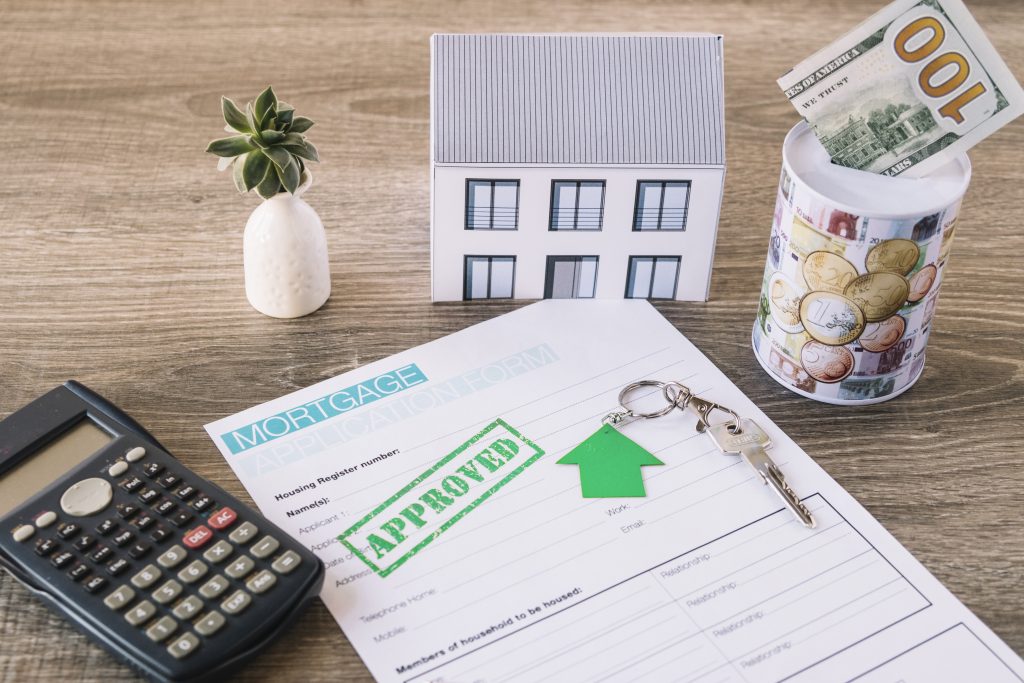
Preparing financially for the renewal wave is essential for homeowners who want to navigate this process smoothly.
As you approach your mortgage renewal, taking proactive steps can help ensure that you are ready for any changes in your financial situation.
Start by evaluating your current financial state. Review your income, expenses, and any outstanding debts. This information provides a clear picture of your financial health. Understanding your budget allows you to plan your next steps effectively.
Steps to Financial Preparation
Consider these steps to prepare for your mortgage renewal:
- Build a Savings Cushion: Aim to save money that can be used for potential increased payments or fees associated with renewing your mortgage.
- Improve Your Credit Score: Work on reducing debts and making payments on time. A higher credit score can get you better interest rates.
- Explore Different Mortgage Options: Research and compare mortgage products to find those that suit your financial goals. This could include fixed-rate versus variable-rate options.
- Consult with a Financial Advisor: Seeking professional advice can provide personalized strategies and insights tailored to your situation.
In addition to these steps, keep track of current interest rates and market trends. Staying informed can help you make better decisions when it’s time to renew.
By preparing financially ahead of the renewal wave, you can create a buffer against unexpected costs and ensure that you secure the most favorable terms possible for your mortgage.
FAQ – Frequently Asked Questions about Mortgage Renewal
What is mortgage renewal?
Mortgage renewal is the process where you extend your mortgage term with your lender when your existing mortgage comes to an end.
How can I prepare financially for my mortgage renewal?
To prepare financially, assess your current budget, improve your credit score, and build savings to cover any increased payments or fees.
What options do I have for refinancing my mortgage?
You can choose from several refinancing options, including rate-and-term refinancing, cash-out refinancing, and streamline refinancing.
Why is it important to negotiate mortgage terms?
Negotiating mortgage terms can lead to lower interest rates and better loan conditions, potentially saving you money over the life of the loan.