Money Saving Tips 2026: Smart Ways to Beat Inflation

Advertisements
Money Saving during periods of rising inflation involves tracking expenses, creating a realistic budget, using discounts and rewards, and adopting practical habits that reduce unnecessary spending.
As everyday costs increase, understanding where your money goes becomes increasingly important. Small adjustments to spending and saving habits can make household finances easier to manage.
This guide explores practical strategies for budgeting, investing, shopping, using technology, and building habits that support stronger financial decisions during inflation.
Understanding inflation and its impact on savings
Advertisements
Understanding inflation is an important part of Money Saving because rising prices reduce the purchasing power of the money you already have.
As goods and services become more expensive, the same amount of savings may cover fewer expenses than it did previously.
Knowing how inflation affects purchasing power can help you adjust budgeting, saving, and long-term financial planning more effectively.
What is Inflation?

Inflation is the rate at which the general price level of goods and services rises over time.
When inflation increases, each dollar generally buys less than it did before, affecting both everyday spending and accumulated savings.
Understanding this relationship supports better Money Saving decisions because it helps explain why financial strategies may need to change as prices rise.
How Inflation Impacts Your Savings
Inflation can reduce the real value of savings when the return earned on that money does not keep pace with rising prices.
- Reduced purchasing power: Your savings buy fewer goods and services as inflation rises.
- Interest rates vs. inflation: If your savings account earns less interest than inflation, the real value of your savings can decline.
- Long-term planning: Understanding inflation can support more informed financial decisions.
For example, money held in an account with a return below the inflation rate may gradually lose purchasing power even if the account balance itself does not fall.
Regularly reviewing savings and broader financial strategies can therefore be an important part of long-term Money Saving.
Practical budgeting strategies during inflation
Budgeting becomes especially important when prices are rising. A clear spending plan can help identify where costs are increasing and where adjustments may be possible.
Instead of relying on estimates, tracking actual expenses provides a more accurate picture of how inflation is affecting your household.
A flexible budget supports Money Saving by allowing spending priorities to change as food, housing, transportation, or other costs fluctuate.
Create a Detailed Budget
Start by listing income and recurring expenses so you can see how much money is entering and leaving your household each month.
- Track your spending: Use apps or spreadsheets to monitor where your money goes.
- Adjust categories: Review spending categories as prices change.
- Set limits: Establish practical spending limits for different areas of your budget.
Separating fixed expenses from variable expenses can make it easier to identify areas where you have more flexibility.
Reviewing the budget regularly keeps your Money Saving plan aligned with changing prices rather than relying on outdated assumptions.
Prioritize Essential Spending
Essential expenses such as housing, food, healthcare, and utilities should generally receive priority when the budget becomes tighter.
Non-essential purchases can then be reviewed individually to determine which expenses can be reduced, delayed, or replaced with lower-cost alternatives.
Setting aside even a small amount consistently can also support Money Saving by gradually creating a financial buffer for unexpected expenses.
How to invest wisely in uncertain times
Investing during uncertain economic periods requires careful consideration of risk, diversification, time horizon, and personal financial goals.
The source highlights diversification as a way to avoid relying entirely on a single type of asset when market conditions change.
Investing should complement a broader Money Saving strategy rather than replace budgeting, emergency savings, or other basic financial habits.
Diversify Your Portfolio
Diversification involves spreading investments across multiple asset categories instead of concentrating all funds in one area.
- Stocks: Different sectors may respond differently to inflation and economic changes.
- Bonds: Inflation-protected securities such as TIPS are designed to respond to changes in inflation.
- Real estate: Property can provide potential appreciation or rental income depending on circumstances.
Different investments carry different levels of risk, return potential, liquidity, and sensitivity to economic conditions.
Regular portfolio reviews can help keep investment decisions aligned with long-term goals and the broader Money Saving plan.
Consider Alternative Investments
The source also mentions alternative investments such as commodities, art, and cryptocurrency as possibilities outside traditional stocks and bonds.
These assets can behave differently from conventional investments, but they may also involve higher volatility, lower liquidity, or other risks.
Any alternative investment should therefore be evaluated carefully within the context of personal risk tolerance and overall financial objectives.
The role of discounts and rewards programs
Discounts and rewards programs can support Money Saving by reducing the effective cost of purchases you were already planning to make.
The benefit comes from using these programs strategically rather than allowing promotions to encourage unnecessary spending.
Comparing prices, planning purchases, and selecting rewards that match existing shopping habits can make these programs more useful.
Understanding Discounts
Discounts can include percentage reductions, coupons, clearance prices, seasonal promotions, and multi-item offers.
- Seasonal sales: Retailers often reduce prices around holidays or seasonal transitions.
- Coupons: Check for available coupons before completing purchases.
- Loyalty discounts: Returning customers may receive additional offers or member pricing.
Planning purchases around genuine discounts can lower costs, particularly for products that would have been purchased anyway.
Price comparison is another useful Money Saving habit because a promotional label does not always mean a product offers the best available value.
The Benefits of Rewards Programs
Rewards programs may provide points, discounts, cash back, or other benefits based on eligible purchases.
The most useful programs are generally those that align naturally with existing spending patterns rather than encouraging additional purchases.
Using rewards intentionally can contribute to Money Saving over time, especially when benefits are redeemed for purchases already included in the budget.
Frugal living tips to stretch your budget
Frugal living focuses on making deliberate spending choices rather than eliminating every non-essential expense.
Small habits such as meal planning, reducing unused subscriptions, and comparing prices can collectively create meaningful savings.
This makes frugal living a practical part of Money Saving when prices are rising and households are looking for ways to stretch their budgets.
Create a Shopping List
A shopping list can reduce impulse purchases by creating a clear plan before entering a store or placing an online order.
- Plan meals: Organize meals for the week so you purchase only what you expect to use.
- Use sales: Look for discounts on products you regularly buy.
- Buy in bulk: Larger quantities can sometimes reduce unit costs when the items will actually be used.
Meal planning can also help reduce food waste because purchases are tied to specific meals instead of being made without a plan.
Being intentional before shopping is a simple Money Saving habit that can reduce repeated small expenses over time.
Cut Unnecessary Subscriptions
Recurring subscriptions can quietly increase monthly expenses, especially when several services are no longer being used regularly.
Review streaming services, apps, memberships, and other recurring charges to identify expenses that can be canceled or replaced.
Lower-cost entertainment and cooking at home can also support Money Saving without requiring every enjoyable activity to be eliminated.
Using technology to track and save money
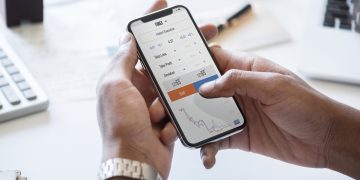
Technology can make Money Saving easier by providing clearer information about spending, budgets, and savings goals.
Financial apps and banking tools can automate tasks that would otherwise require manual tracking and frequent calculations.
Used consistently, these tools can help identify spending patterns and make it easier to adjust habits before small problems become larger ones.
Money Management Apps

Money management apps can organize financial information and provide a more accessible view of everyday spending.
- Spending trackers: Categorize transactions so you can see where money is going.
- Budgeting tools: Help establish monthly limits and monitor progress.
- Savings calculators: Estimate how long it may take to reach a financial goal.
Regularly reviewing these tools can help highlight spending categories that are consistently exceeding planned limits.
This visibility makes technology useful for Money Saving because financial decisions can be based on actual behavior rather than assumptions.
Online Banking Features
Many banks provide online banking features designed to make account monitoring and routine financial management easier.
Balance alerts, transaction notifications, and automatic transfers can help users monitor accounts and move money into savings consistently.
Automatic savings can strengthen a Money Saving routine by reducing the need to remember to transfer funds manually every month.
FAQ – Money Saving Tips and Budgeting Strategies
How can technology help me save money?
Technology can support Money Saving by helping you track expenses, establish budgets, monitor goals, automate savings, and receive useful account alerts.
What are some effective budgeting strategies?
Useful strategies include creating a detailed budget, prioritizing essential expenses, setting category limits, tracking actual spending, and reviewing the budget regularly.
What role do discounts and rewards programs play?
Discounts and rewards can reduce costs when they are applied to planned purchases, particularly through sales, coupons, cash back, loyalty benefits, or points.
What are frugal living tips I can adopt?
Meal planning, shopping with a list, using sales strategically, canceling unused subscriptions, cooking at home, and reviewing expenses regularly can all support Money Saving.