newsletter growth strategies 2026: boost your subscriber count

Advertisements
Newsletter growth strategies 2026 focus on understanding your audience, creating useful content, using social media, applying email marketing tools, and collecting subscriber feedback.
Growing a Newsletter growth is not only about increasing subscriber numbers but also about attracting readers who consistently open, click, and engage with your content.
A strong strategy combines acquisition, personalization, testing, and ongoing analysis to build a more loyal and responsive audience over time.
Identifying Your Target Audience
Advertisements
Understanding your target audience is one of the most important foundations of effective Newsletter growth strategies 2026.
Knowing who your readers are makes it easier to create messages that reflect their interests, questions, and preferred types of content.
This alignment can improve relevance and help turn occasional readers into subscribers who remain engaged over a longer period.
Why Knowing Your Audience Matters
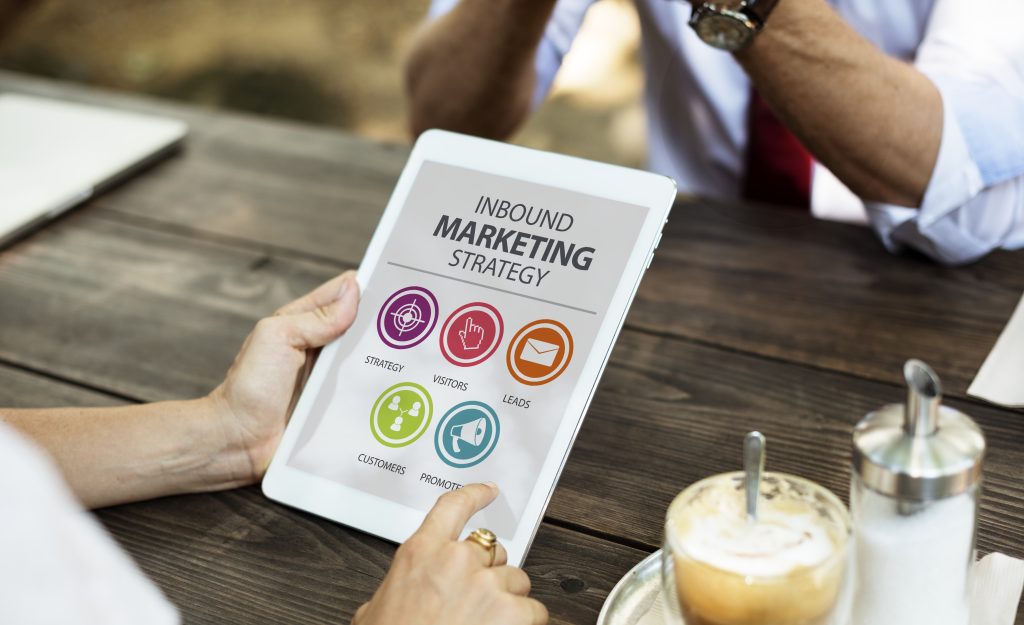
Audience knowledge helps you decide which topics deserve priority and how detailed, technical, or conversational each Newsletter growth should be.
It also supports better personalization by allowing messages to reflect the interests and behavior of different subscriber groups.
When readers regularly receive content that feels relevant, they are more likely to open future emails and maintain their subscription.
Steps to Identify Your Target Audience
Existing subscriber data can reveal useful patterns involving interests, engagement levels, signup sources, and content preferences.
Surveys and social media analytics can provide additional information about what readers want and how they interact with your brand.
Competitor research can also provide context, although your own subscriber behavior should remain the primary source for strategic decisions.
- Analyze existing subscriber data for common patterns.
- Use surveys to understand reader interests and needs.
- Review social media analytics for engagement signals.
- Study competitors to identify potential audience opportunities.
Using Personas to Understand Your Audience
Audience personas can organize research into simplified profiles representing common subscriber motivations, interests, and challenges.
These profiles can guide topic selection, tone, calls to action, and the types of offers presented to different audience segments.
Personas should be updated as real subscriber data changes so they remain useful rather than becoming fixed assumptions about readers.
Creating Valuable Content That Resonates
Useful content is central to Newsletter growth strategies 2026 because subscribers need a clear reason to keep opening each edition.
Newsletters should consistently provide information, insights, entertainment, or practical guidance that matches what the audience expects.
Quality is more sustainable than simply increasing sending frequency when the additional emails do not provide meaningful value.
Understand What Your Audience Values
Subscriber behavior can reveal which topics and formats receive the strongest response across different newsletter editions.
Surveys, direct replies, click data, and engagement patterns can help identify subjects readers consider most useful.
Combining quantitative metrics with direct feedback creates a clearer picture than relying on assumptions alone.
Types of Content to Consider
Different content formats serve different reader needs, from practical tutorials to news updates and personal stories.
The best mix depends on the newsletter’s purpose and whether subscribers expect education, analysis, entertainment, or industry information.
Testing different formats can show which combinations generate stronger engagement without making each edition unnecessarily complex.
- How-to guides and tutorials with practical instructions.
- Industry news and updates relevant to your audience.
- Tips that address recurring reader problems.
- Stories or case studies that provide context and connection.
Storytelling to Enhance Engagement
Storytelling can make information easier to remember by connecting ideas with situations, challenges, and outcomes readers recognize.
A relevant story can introduce a lesson or insight without turning the entire Newsletter growth into a purely promotional message.
Consistency also matters because readers are more likely to build a habit around newsletters that regularly deliver useful and recognizable value.
Leveraging Social Media for Subscriber Acquisition
Social platforms can support Newsletter growth strategies 2026 by introducing newsletter content to audiences who have not yet subscribed.
Instead of promoting only the signup page, brands can share useful excerpts, insights, or previews that demonstrate what subscribers receive.
The most effective platform depends on where the target audience already spends time and how they prefer to consume content.
Identify the Right Platforms
Different social networks attract different audiences, so spreading equal effort across every platform may not be efficient.
LinkedIn may work well for professional audiences, while visual or consumer-focused newsletters may gain more traction on Instagram or other platforms.
Performance data can help determine which channels generate meaningful subscribers rather than only impressions or likes.
Create Engaging Content
Social posts should communicate the value of the Newsletter growth quickly and give users a reason to explore the full content.
Visuals, short excerpts, subscriber testimonials, questions, and previews can all help generate curiosity without revealing everything.
Making content easy to share can also extend organic reach through existing followers and subscribers.
- Share previews of upcoming newsletter content.
- Use subscriber testimonials when appropriate.
- Create strong visuals or short videos.
- Use polls and questions to encourage participation.
Utilize Paid Advertising
Paid social advertising can expand newsletter acquisition beyond the audience already following your brand organically.
Targeting options can help reach users based on interests, behaviors, demographics, or other characteristics relevant to the newsletter.
Campaigns should be evaluated using subscriber quality and long-term engagement, not only the lowest possible signup cost.
Effective Use of Email Marketing Tools
Effective use of email marketing tools can simplify automation, segmentation, scheduling, and performance analysis.
These capabilities are important for Newsletter growth strategies 2026 because larger subscriber bases become increasingly difficult to manage manually.
The right platform should match the newsletter’s size, budget, automation requirements, reporting needs, and technical complexity.
Choosing the Right Tool
Email platforms differ in pricing, automation features, templates, integrations, analytics, and subscriber management capabilities.
Services such as Mailchimp, Constant Contact, and Brevo offer different combinations of these features for businesses and creators.
Comparing real requirements before choosing a platform can prevent paying for advanced features that the newsletter does not currently need.
Automating Your Campaigns
Automation can ensure subscribers receive timely messages based on actions such as signup, clicks, purchases, or other defined behaviors.
Welcome sequences can introduce new subscribers to the newsletter while scheduled campaigns help maintain a consistent publishing rhythm.
Automation should still be monitored regularly to ensure messages remain accurate, useful, and aligned with subscriber expectations.
- Set up welcome emails for new subscribers.
- Use drip campaigns where longer nurturing sequences are useful.
- Automate appropriate follow-up messages.
- Schedule recurring newsletters to maintain consistency.
Segmenting Your Audience
Segmentation allows newsletters to send different content to subscribers based on interests, activity, lifecycle stage, or other relevant characteristics.
For example, new subscribers may need introductory content while highly engaged readers may respond better to deeper or more specialized material.
Analytics can then show whether segmentation improves open rates, clicks, conversions, or other metrics relevant to the newsletter’s goals.
Analyzing and Adapting Your Strategy
Successful Newsletter growth strategies 2026 require continuous evaluation because audience behavior and acquisition channels can change over time.
Regular analysis helps identify which topics, subject lines, formats, and campaigns produce meaningful engagement rather than temporary spikes.
Adjustments should be based on patterns across multiple campaigns whenever possible instead of reacting to one unusually strong or weak edition.
Track Key Metrics
Open rates can provide context about subject-line performance and audience interest, although privacy features may affect how accurately they reflect real reading behavior.
Click-through rates can provide stronger evidence about whether subscribers are interacting with links and content inside the newsletter.
Subscriber growth, unsubscribes, conversions, and engagement over time can provide an even broader view of Newsletter growth health.
Collect Subscriber Feedback
Direct feedback can explain why subscribers behave in ways that analytics alone may not fully reveal.
Short surveys, replies, social conversations, and topic requests can provide practical insights into what readers want more or less of.
Repeated themes across feedback should be compared with performance data before making larger strategic changes.
- Use surveys to gather direct subscriber feedback.
- Encourage readers to reply to newsletter emails.
- Discuss content preferences on social media.
- Track which topics generate the strongest conversations.
Test Different Approaches
A/B testing can help compare subject lines, calls to action, layouts, sending times, and other elements without relying purely on intuition.
Tests should generally isolate a limited number of variables so the result provides useful information about what influenced performance.
Documenting results over time creates a clearer foundation for future decisions and prevents repeating unsuccessful experiments.
Engaging With Your Audience for Feedback
Audience feedback plays an important role in Newsletter growth strategies 2026 because subscribers can reveal needs that metrics alone cannot explain.
Inviting readers into the conversation can also make the newsletter feel less like one-way broadcasting and more like an ongoing community.
The value comes from both collecting feedback and showing subscribers that useful suggestions can influence future content.
Methods to Gather Feedback
Short surveys can ask readers about preferred topics, frequency, content formats, or areas where the newsletter could improve.
Polls are useful for simple choices and require less effort from subscribers than longer questionnaires.
Feedback requests should remain focused so readers can respond quickly rather than abandoning an overly complicated form.
Encouraging Direct Responses

Inviting subscribers to reply directly can create more detailed conversations than multiple-choice surveys alone.
Featuring selected feedback in future editions can demonstrate that subscriber opinions are actually being read and considered.
Q&A sessions or live conversations on social media can provide another channel for understanding questions and preferences in real time.
- Invite subscribers to reply with their thoughts.
- Create a recurring feedback section.
- Feature relevant subscriber suggestions in future editions.
- Use appropriate incentives when they genuinely support useful feedback.
Using Feedback to Improve Content
Feedback becomes useful when recurring patterns are translated into practical changes to topics, formats, frequency, or newsletter structure.
If readers repeatedly request a subject, testing more content around that theme can help determine whether the interest appears in engagement metrics as well.
Continuing the feedback cycle helps keep the Newsletter growth aligned with subscriber needs as the audience grows and changes.
FAQ – Frequently Asked Questions About Newsletter Growth Strategies
What are some effective ways to engage with my audience for feedback?
Use short surveys, polls, direct email replies, and social media conversations to gather both structured and open-ended feedback from subscribers.
Why is it important to analyze my newsletter metrics regularly?
Regular analysis helps identify which topics, campaigns, links, and formats generate engagement and which parts of the strategy may need adjustment.
How can social media help in acquiring newsletter subscribers?
Social media can introduce newsletter content to new audiences through organic posts, previews, community engagement, and targeted advertising.
What role does content diversity play in keeping subscribers engaged?
Different formats can keep the newsletter varied and make information accessible to readers who prefer articles, visuals, videos, tutorials, or other approaches.