How to save money on groceries in 2026

Advertisements
Learning how to save money on groceries in 2026 involves planning meals, comparing unit prices, using discounts, avoiding food waste, and making smart purchasing decisions. These strategies can help Canadian households manage food expenses without sacrificing nutritional quality.
Understanding how to save money on groceries in 2026 is becoming increasingly important for households trying to balance food expenses with other financial responsibilities. Even small changes in shopping habits can make a noticeable difference over time.
Food prices are influenced by transportation costs, weather conditions, international trade, and changes in supply and demand. While consumers cannot control these factors, they can adjust their purchasing decisions.
Advertisements
From weekly meal planning to comparing store promotions and choosing affordable ingredients, several practical strategies can help you stretch your grocery budget while maintaining a balanced diet.
Understanding the rising costs of groceries
Understanding grocery prices is an important first step when learning how to save money on groceries in 2026. Food costs can change because of economic conditions, production expenses, and disruptions throughout the supply chain.
In Canada, grocery expenses also depend on regional transportation costs, seasonal availability, and the prices retailers pay for domestic and imported products.
Rather than assuming every product will become more expensive, comparing prices across different categories can help households identify affordable alternatives and adjust their shopping routines.
Factors Contributing to Grocery Prices
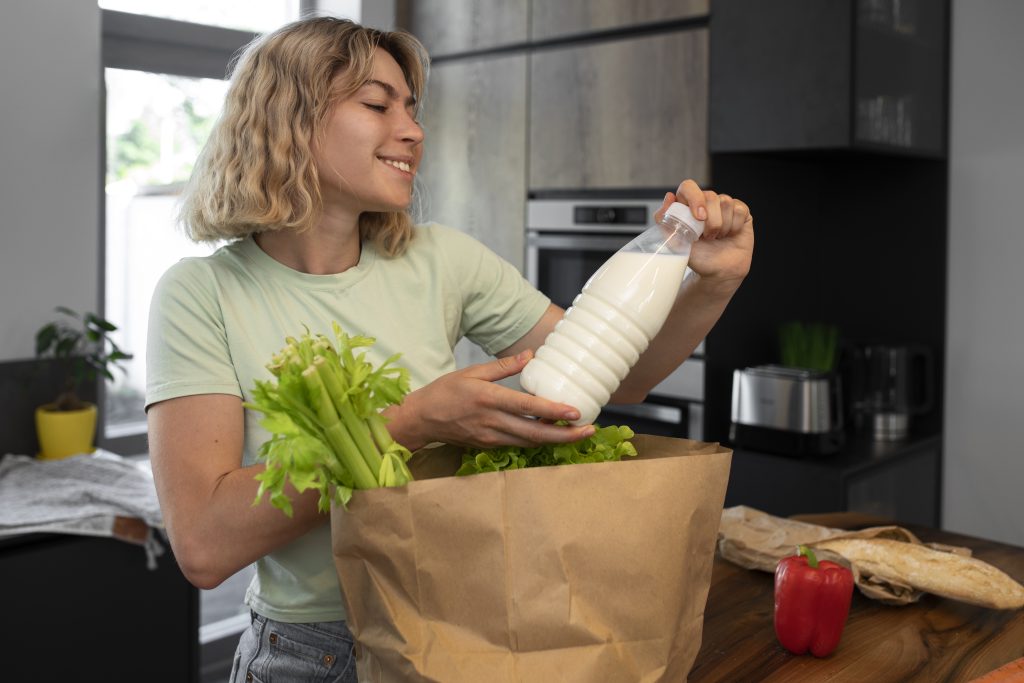
Several factors influence the amount consumers pay for groceries. Transportation expenses, agricultural production, labour costs, and international trade policies can all affect food prices.
Extreme weather conditions may also reduce crop yields or interrupt distribution, causing temporary shortages and price fluctuations for certain fruits, vegetables, and other agricultural products.
When considering how to save money on groceries in 2026, understanding these influences can help you identify when seasonal products, store brands, or alternative ingredients offer better value.
- Supply Chain Issues: Shipping delays and transportation costs can affect retail prices.
- Climate Conditions: Extreme weather may influence agricultural production and availability.
- Import Tariffs: Trade policies can increase costs for certain imported products.
- Labour Costs: Changes in production and distribution expenses may affect food prices.
Adapting to Rising Costs
Adapting to higher grocery expenses often begins with comparing prices at multiple retailers. Discount supermarkets, local markets, and conventional grocery chains may offer different prices for similar products.
Store-brand products can provide savings when their quality, ingredients, and package sizes meet your needs. Checking the unit price makes comparisons more reliable than focusing only on the advertised price.
For anyone researching how to save money on groceries in 2026, flexibility is especially valuable. Substituting expensive ingredients with affordable alternatives can help maintain nutritious meals without exceeding your budget.
Effective meal planning strategies
Meal planning is one of the most practical approaches to how to save money on groceries in 2026. Organizing meals before shopping helps reduce unnecessary purchases and makes better use of ingredients already available at home.
A weekly plan does not need to be complicated. Choosing several main meals, identifying overlapping ingredients, and preparing a shopping list can simplify the entire process.
Planning also helps reduce food waste by encouraging households to purchase quantities they can realistically prepare, store, and consume before products spoil.
Key Meal Planning Tips
Begin by checking your refrigerator, freezer, and pantry. Ingredients that are already available can become the foundation for meals throughout the coming week.
Next, select recipes based on your schedule and household size. Preparing additional portions can make future meals more convenient when leftovers are refrigerated or frozen safely.
Learning how to save money on groceries in 2026 becomes easier when your shopping list reflects actual meal requirements rather than spontaneous decisions made inside the supermarket.
- Use a Calendar: Organize meals and snacks for the coming days.
- Batch Cooking: Prepare extra portions and store them safely.
- Theme Nights: Create simple meal categories to reduce planning time.
- Shopping Lists: Purchase ingredients based on planned meals and household needs.
Adapting to Seasonal Foods
Seasonal fruits and vegetables can offer good value when local supply is abundant, although availability and prices vary according to region and weather conditions.
Choosing recipes that allow ingredient substitutions makes it easier to take advantage of affordable produce without buying items simply because they are discounted.
When exploring how to save money on groceries in 2026, remember that frozen and canned vegetables can also be economical alternatives, particularly when fresh produce is expensive or unavailable.
Smart shopping tips for 2026
Developing better shopping habits can make a meaningful difference in monthly food expenses. The most effective strategies usually combine preparation, price comparisons, and realistic spending limits.
Shopping with a list helps reduce unnecessary purchases, while reviewing grocery flyers allows households to identify promotions before visiting a store.
For Canadian consumers learning how to save money on groceries in 2026, comparing unit prices and choosing products based on actual household consumption can help prevent wasteful spending.
Utilizing Technology
Digital tools can make grocery shopping more organized by allowing consumers to compare advertised prices, create shopping lists, and monitor spending.
Many Canadian grocery retailers provide mobile applications featuring weekly promotions, digital loyalty rewards, and personalized discounts. However, the value of these offers varies by retailer.
When considering how to save money on groceries in 2026, use technology to support planned purchases rather than allowing notifications and limited-time promotions to encourage unnecessary spending.
- Shopping Apps: Compare available offers and organize shopping lists.
- Loyalty Programs: Review eligible discounts and rewards before purchasing.
- Online Shopping: Compare your total cart cost, including delivery and service fees.
Seasonal Shopping
Buying seasonal produce can help reduce expenses when products are widely available, especially during harvest periods when local supply increases.
However, imported products, frozen foods, and canned ingredients may sometimes cost less than fresh local alternatives. Comparing prices remains important regardless of the season.
A practical approach to how to save money on groceries in 2026 involves choosing affordable ingredients based on the total price, usable quantity, nutritional value, and expected storage life.
Utilizing discounts and coupons effectively
Discounts and coupons can lower grocery expenses when they apply to products your household already needs. The goal is to reduce spending rather than increase purchases to qualify for promotional offers.
Weekly flyers, digital coupons, loyalty programs, and retailer promotions can provide useful opportunities to purchase essential items at lower prices.
When learning how to save money on groceries in 2026, compare the final discounted price with available alternatives to determine whether a promotion actually represents good value.
Types of Discounts
Grocery retailers use several promotional methods, including temporary price reductions, loyalty rewards, digital coupons, and discounts on selected products.
Some offers require purchasing multiple items or meeting a minimum spending amount. These conditions may reduce their usefulness for smaller households.
For consumers focused on how to save money on groceries in 2026, understanding promotion requirements can help prevent overspending and ensure that discounts support existing shopping plans.
- Store Sales: Check weekly promotions for products on your shopping list.
- Digital Coupons: Activate eligible offers through supported retailer applications.
- Manufacturer Coupons: Review conditions and participating stores before use.
- Cashback Offers: Compare potential rewards with purchase requirements and privacy considerations.
Tips for Couponing Success
Organizing coupons by expiration date and product category can make them easier to use during regular grocery trips.
Before purchasing an item, compare its discounted price with the corresponding store brand or another similar product. A coupon does not automatically make an item the least expensive option.
When applying strategies for how to save money on groceries in 2026, use coupons selectively and avoid purchasing products that may expire before your household can consume them.
- Organize Coupons: Keep digital and printed offers accessible.
- Check Expiration Dates: Review validity before planning purchases.
- Understand Discount Rules: Confirm whether offers can be combined.
The benefits of bulk buying
Buying groceries in larger quantities can reduce the cost per serving or unit, especially for frequently used ingredients with a relatively long storage life.
However, bulk buying does not guarantee savings. Larger packages may require a higher upfront payment and can create waste if the food spoils before it is consumed.
When researching how to save money on groceries in 2026, focus on products your household uses consistently and compare their unit prices with smaller packages.
Financial Savings
Common pantry ingredients such as rice, dried beans, pasta, and certain canned foods may offer value when purchased in larger quantities during genuine promotions.
Potential savings depend on the cost per unit, storage conditions, and the likelihood that your household will use the entire purchase before its quality deteriorates.
For families exploring how to save money on groceries in 2026, bulk purchases should fit within the existing food budget rather than requiring additional borrowing or reducing money available for other essential expenses.
- Price Discounts: Compare the cost per kilogram, litre, or individual unit.
- Packaging: Evaluate whether larger packages reduce packaging waste.
- Storage Life: Prioritize ingredients that can be stored safely for the required period.
Smart Strategies for Bulk Buying
Before purchasing larger quantities, confirm that your pantry, refrigerator, or freezer has enough storage capacity to preserve the product safely.
Buy frequently used staples rather than unfamiliar products that may remain unused. Sharing larger purchases with relatives or friends can be useful when package sizes exceed household needs.
Understanding how to save money on groceries in 2026 also means recognizing that food waste can eliminate the financial advantage of a bulk discount, making realistic purchasing quantities essential.
- Choose Familiar Items: Buy ingredients your household regularly consumes.
- Evaluate Storage: Make sure suitable space is available before purchasing.
- Share Larger Packages: Split purchases when it reduces waste and overall costs.
Growing your own food: Is it worth it?
Growing vegetables, herbs, or fruit at home can be a rewarding activity that provides fresh ingredients and opportunities to develop practical gardening skills.
However, gardening requires initial spending on seeds, soil, containers, tools, and potentially irrigation. Financial savings depend on productivity and the cost of maintaining the garden.
For households learning how to save money on groceries in 2026, starting with a small garden can help determine whether homegrown food offers worthwhile savings under local conditions.
Benefits of Home Gardening
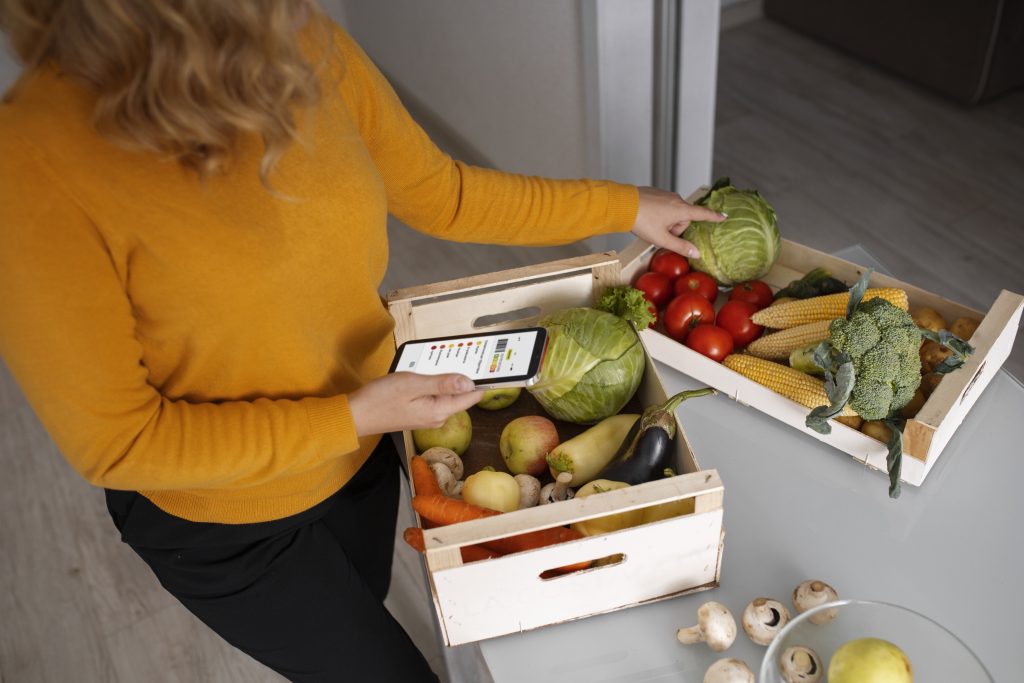
Growing your own herbs and vegetables allows you to select the varieties you prefer and harvest ingredients when they are ready for use.
Home gardening can also encourage outdoor activity and provide an enjoyable hobby, although successful production requires suitable growing conditions and regular maintenance.
When considering how to save money on groceries in 2026, compare the value of harvested food with the total cost of supplies rather than assuming every home garden will automatically reduce grocery expenses.
- Ingredient Selection: Choose varieties suited to your preferences and climate.
- Freshness: Harvest produce when it is ready to eat.
- Variety: Experiment with herbs and vegetables that may be less common in nearby stores.
Considerations for Success
Available space, sunlight, temperature, and the growing season influence which foods can be produced successfully at home.
Containers can make gardening possible in smaller spaces, including balconies and patios, but adequate drainage, suitable soil, and consistent watering remain important.
For a realistic approach to how to save money on groceries in 2026, start with a limited number of easy-to-maintain plants and expand only when the results justify additional spending.
Meal planning, careful price comparisons, and reducing food waste often provide more predictable savings than gardening alone. Canada’s healthy eating on a budget recommendations also emphasize using shopping lists, choosing affordable ingredients, comparing unit prices, and buying quantities that can be consumed without waste.
FAQ – Frequently Asked Questions about Saving Money on Groceries
What are some effective strategies for saving on groceries?
Effective strategies include weekly meal planning, comparing unit prices, choosing affordable store brands, using discounts selectively, and reducing food waste. When researching how to save money on groceries in 2026, prioritize habits that fit your household’s actual needs and budget.
Is growing my own food worth the investment?
Growing food at home can be worthwhile, especially for people who enjoy gardening and have access to suitable growing conditions. However, savings depend on equipment costs, plant productivity, water usage, and the value of harvested ingredients. Starting small can help determine whether expanding your garden makes financial sense.
How can I find discounts and deals when shopping?
Check weekly grocery flyers, retailer applications, loyalty programs, and available coupons before shopping. Compare the discounted unit price with similar products and avoid offers requiring unnecessary purchases. Planning meals around genuinely useful promotions can help lower grocery expenses without increasing food waste.
What should I consider when buying in bulk?
Before buying in bulk, compare unit prices, evaluate available storage space, and consider how quickly your household will use the product. Prioritize familiar ingredients with suitable storage lives and avoid buying more perishable food than you can safely consume or freeze.