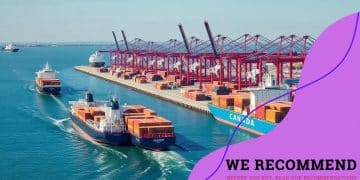
Canada food and beverage tariff relief: what you need to know

Anúncios
Navigating the landscape of Canada food and beverage regulations is essential for businesses aiming to thrive in an increasingly competitive market.
With the recent shifts in international trade, understanding how to leverage government support can be the difference between stagnating or scaling your operations successfully.
Anúncios
Strategic relief measures are now in place to help domestic enterprises manage rising import costs and strengthen their market position.
As consumer preferences evolve, staying informed about these financial safeguards ensures your brand remains resilient and capable of delivering quality goods across the country.
Anúncios
Understanding food and beverage tariffs in Canada
Understanding food and beverage tariffs in Canada is crucial for anyone involved in the industry. These tariffs affect pricing, availability, and competition in the market.
The Canadian government imposes tariffs on various imported food and beverage products. This action aims to protect local producers and maintain fair trade practices.
Businesses need to stay informed about these changes to effectively navigate the market.
What are food and beverage tariffs?
Food and beverage tariffs are taxes placed on goods imported into Canada. These tariffs can vary based on the product and country of origin. Understanding the basics can help businesses make informed decisions.
Impacts of tariffs on the market
Tariffs can lead to higher prices for consumers. When companies pay tariffs, they often pass these costs onto customers. This can create challenges for businesses trying to remain competitive.
- Increased costs lead to higher prices.
- Potential impact on consumer demand.
- Local producers often benefit from less competition.
While these tariffs can support Canadian farmers and producers, they also create a ripple effect throughout the supply chain. Companies must consider strategies to mitigate the effects of these tariffs on their pricing and operations.
Staying updated on tariff changes
To stay compliant and competitive, businesses must monitor tariff updates. The Canadian Border Services Agency (CBSA) is a valuable resource for obtaining current tariff information.
Many changes can occur due to trade agreements or economic conditions.
In conclusion, understanding food and beverage tariffs in Canada is essential for businesses to navigate the complexities of the industry.
By staying informed, companies can strategize and adapt to changes effectively, ensuring better market positioning.
Impacts of tariff relief on Canadian businesses
Impacts of tariff relief on Canadian businesses can be significant and wide-ranging. With the potential for lower costs, many companies are seeking to understand how tariff adjustments can benefit them.
When tariffs are reduced or eliminated, businesses often experience decreased expenses for imported goods. This situation allows companies to lower their prices and become more competitive.
For instance, a grocery store may reduce prices on imported foods, making them more appealing to consumers.
Benefits of tariff relief
Tariff relief brings several benefits to Canadian businesses, including:
- Lower operational costs, enhancing profit margins.
- Improved pricing strategies, attracting more customers.
- Increased flexibility in supply chain management.
These factors not only create a more favorable market for consumers but also support businesses in accessing a wider range of products. This variety can lead to better inventory management and customer satisfaction.
Challenges and considerations
While tariff relief presents many opportunities, businesses must also navigate certain challenges. Some companies may face increased competition from foreign products.
As tariffs drop, international goods might become more attractive to consumers, posing a challenge for local producers.
It is vital for businesses to adapt to these market changes by enhancing their value propositions. This adaptation might include improving quality, offering better customer service, or emphasizing local sourcing.
Engaging in strategic planning and market analysis can help businesses prepare for these shifts. By understanding consumer preferences and market trends, companies can position themselves effectively.
How to apply for tariff relief programs

How to apply for tariff relief programs can seem challenging, but the process is straightforward if you understand the steps involved. Many Canadian businesses may benefit from these programs to reduce costs and improve competitiveness.
The first step is to identify eligibility. Businesses must determine if they qualify for tariff relief based on the type of products they import and their specific circumstances.
The Canadian Border Services Agency (CBSA) provides resources and guidelines to assist with this process.
Gathering necessary documents
Before applying, it’s essential to have all required documents in order. This section may include:
- Proof of product origin.
- Invoices or purchase orders.
- Any previous tariff relief applications.
Having these documents readily available helps streamline the application process, allowing businesses to submit a complete and accurate request.
Filing the application
To file for tariff relief, businesses can often complete the application online. After gathering the necessary paperwork, navigate to the CBSA’s online portal.
Filling out the application form will require detailed information about your business, the products, and their intended use.
Make sure to review your application carefully before submission. Any inaccuracies can lead to delays or rejections.
Once submitted, it may take some time for the CBSA to process applications. During this period, staying informed through their announcements can be beneficial.
Throughout the application process, communication with CBSA representatives can help clarify any questions or issues. Understanding the feedback from the agency can enhance the success of your application.
Key regulations and eligibility criteria
Key regulations and eligibility criteria for tariff relief in Canada are essential for businesses to understand. These regulations set the framework for how companies can benefit from tariff relief programs.
To qualify for tariff relief, businesses must meet specific criteria. One of the main requirements is to ensure that the products eligible for relief are accurately classified under the correct tariff codes.
The Canadian Border Services Agency (CBSA) provides a detailed list of these codes and their corresponding goods.
Eligibility criteria for businesses
Eligibility criteria can vary, but some common factors include:
- The type of product being imported.
- Whether the goods are for commercial or personal use.
- The country of origin of the products.
Understanding these criteria helps businesses determine if they qualify and what documents they need to provide.
Understanding key regulations
Several important regulations govern tariff relief applications. Businesses must adhere to these rules to avoid complications. Regulations may include compliance with trade agreements that affect duty rates.
For example, products from certain countries may qualify for lower duties under specific agreements.
Additionally, businesses should keep records of all transactions and communications related to tariff relief. Good documentation supports their application and can simplify the review process by the CBSA.
Continuous monitoring of updates to regulations is crucial, as changes can impact eligibility and requirements. By staying informed, businesses can better position themselves to take advantage of available tariff relief programs.
Future outlook for Canada’s food and beverage sector

The future outlook for Canada’s food and beverage sector appears promising as the industry evolves in response to changing market dynamics.
With increasing consumer awareness and demand for sustainable products, businesses are adapting to meet new expectations.
Innovation plays a crucial role in shaping this sector’s future. Companies are investing in technology to enhance production processes and increase efficiency.
This shift can lead to higher quality products while also addressing environmental concerns.
Trends to watch
Several trends are emerging in the food and beverage industry that businesses should monitor closely:
- Growing demand for plant-based products.
- Increased focus on local sourcing and sustainability.
- Rising interest in health-conscious foods and beverages.
Businesses that embrace these trends can benefit from new opportunities and adapt their strategies to stay competitive.
As consumers seek transparency in sourcing and production methods, companies must be prepared to communicate their practices effectively.
Challenges ahead
While the outlook is bright, there are challenges on the horizon. Regulatory changes can impact how businesses operate within the market. Keeping up with compliance requirements is essential for avoiding potential setbacks.
Additionally, international trade relationships will continue to influence the sector, particularly regarding tariffs and import/export dynamics.
To navigate these challenges, businesses should invest in research and development. Staying aware of market trends and consumer preferences will also be key to long-term success in Canada’s food and beverage sector.
Building resilience through innovation and adaptability can position companies favorably in a rapidly changing environment.
Conclusion:
According to recent updates from the Department of Finance, Canadian businesses impacted by response to U.S. tariffs are eligible for significant relief.
Recent data confirms that exemptions for goods used in manufacturing and food/beverage packaging have been extended to provide stability while trade negotiations continue.
Leveraging these programs is vital for maintaining the momentum of the Canada food sector.
FAQ – Frequently Asked Questions about Canada Food and Beverage Tariff Relief
What is tariff relief?
Tariff relief refers to the reduction or elimination of taxes on imported goods, helping businesses lower costs.
How can a business apply for tariff relief?
Businesses can apply for tariff relief through the Canadian Border Services Agency (CBSA) by submitting the required documents.
What are the eligibility criteria for tariff relief?
Eligibility typically depends on the type of products being imported, their origin, and whether they are for commercial use.
What impacts can tariff relief have on businesses?
Tariff relief can lead to lower operational costs, more competitive pricing, and increased market opportunities.