Industrial decarbonization investments canada 2026: the future
Advertisements
Industrial decarbonization investments in Canada by 2026 focus on adopting clean technologies, enhancing energy efficiency, and meeting climate goals, helping industries transition to a sustainable low-carbon economy.
Industrial decarbonization investments Canada 2026 are becoming increasingly crucial as the nation pushes towards a greener future.
Have you thought about how these changes might affect industries and the economy?
Understanding industrial decarbonization
Advertisements
Understanding industrial decarbonization is essential as industries face the growing pressure to reduce carbon emissions.
The world is changing, and sustainable practices are becoming non-negotiable.
Decarbonization focuses on reducing or eliminating carbon dioxide (CO2) emissions to combat climate change.
To grasp this concept better, let’s explore some key aspects:
Key principles of industrial decarbonization
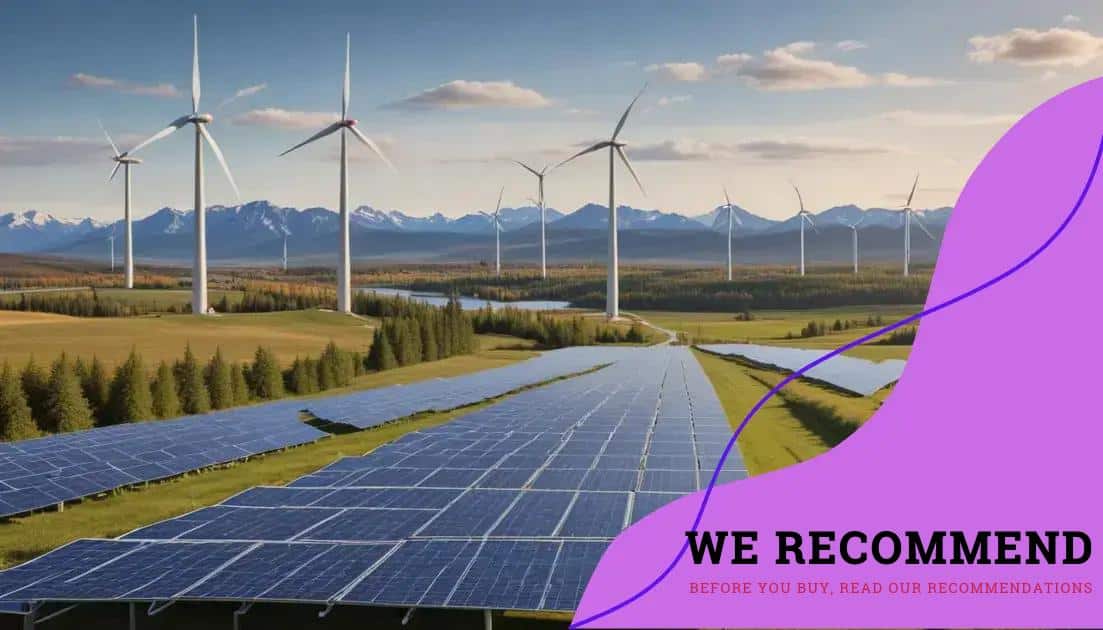
At its core, decarbonization involves several strategies and technologies that facilitate a transition to low-carbon operations. Here are a few principles:
- Energy efficiency: Improving processes to minimize energy consumption.
- Renewable energy: Utilizing wind, solar, and other renewable sources to power operations.
- Carbon capture: Implementing technologies that capture and store carbon emissions produced during industrial processes.
- Sustainable materials: Using materials that generate less carbon during their lifecycle.
As industries strive to implement these principles, it’s vital to recognize the crucial role of investments. The push towards cleaner technologies isn’t only an environmental necessity but a business opportunity.
Many companies are now integrating sustainable workflows into their business models. This involves assessing their current impact on the environment and implementing changes that align with decarbonization goals.
For example, a manufacturing facility may revamp its production line to incorporate energy-efficient machinery. This not only reduces emissions but also lowers operational costs.
The importance of government policies
Another factor influencing the path to decarbonization is government policies. Governments worldwide are introducing regulations and incentives to promote industrial decarbonization.
Such policies can vastly accelerate the transition. They create a framework within which businesses can operate while making the shift toward sustainable practices.
Understanding the driving forces behind industrial decarbonization is crucial. Those who adapt to these changes will likely emerge as leaders in their fields.
As we examine the future of industries in this new landscape, recognizing these transformative processes will help pave the way toward a sustainable economy.
The role of investments in clean technology
The role of investments in clean technology is pivotal as companies aim to reduce their carbon footprint.
The landscape of industrial operations is evolving, and financial support for clean technology has become a key driver in this transition. With the pressing need to address climate change, investments in innovative solutions are vital.
These investments often focus on several key areas that yield significant benefits for both businesses and the environment. Companies are increasingly allocating funds towards:
Areas of Clean Technology Investment
- Renewable energy sources: Funding solar, wind, and geothermal projects to minimize dependency on fossil fuels.
- Energy-efficient processes: Enhancing manufacturing procedures to reduce energy consumption and waste.
- Carbon capture technology: Developing systems that capture emissions from industrial activities before they enter the atmosphere.
- Sustainable materials: Investing in research for biodegradable and recycled materials that have lower environmental impact.
These areas not only contribute to achieving decarbonization goals but also present new market opportunities.
For instance, companies adopting renewable energy can lower operational costs and improve their public image. Such companies often attract consumers who prioritize sustainability.
Moreover, the rise of new start-ups focused on clean technology is a sign of the growing interest in this realm.
These emerging businesses frequently bring fresh ideas that challenge traditional practices. They often collaborate with established companies, enhancing innovation through partnerships.
Long-term benefits of clean technology investments
While initial investments may seem daunting, the long-term benefits can be substantial. Shifting towards clean technologies can lead to reduced regulatory risks and compliance costs as governments ramp up environmental regulations.
Additionally, companies can improve their resilience against fluctuations in energy prices by relying on renewable sources.
As we continue to explore the impact of investments in clean technology, it’s clear that these financial commitments are shaping a more sustainable future.
By understanding their importance, industries can better navigate the changes ahead and position themselves as leaders in the market.
Current trends in Canada’s decarbonization efforts
Current trends in Canada’s decarbonization efforts highlight the nation’s commitment to sustainable growth and environmental stewardship.
As climate change becomes a pressing issue, Canada has stepped up its initiatives to transition towards a low-carbon economy.
One of the most significant trends is the increasing investment in renewable energy. Canada is leveraging its vast natural resources, such as wind, solar, and hydroelectric power.
This shift not only reduces reliance on fossil fuels but also boosts job creation in the green energy sector.
Government Policies and Incentives
Another key aspect of Canada’s decarbonization efforts involves strong government policies. The Canadian government has implemented various programs to encourage businesses to adopt clean technologies. These include:
- Carbon pricing: A mechanism that encourages emissions reduction by placing a cost on carbon.
- Clean technology grants: Financial support for companies developing sustainable solutions.
- Incentives for electric vehicles: Programs that promote the purchase and use of electric and hybrid vehicles to reduce emissions.
These measures have played a vital role in driving innovation and encouraging the private sector to invest in green technologies.
Furthermore, collaboration among provinces is shaping the landscape of decarbonization in Canada.
Many provinces are working together to share best practices and develop regional strategies. This cooperation allows for a more cohesive approach to tackling emissions and achieving common goals.
Impact of Public Awareness and Grassroots Movements
Public awareness has also surged around environmental issues, influencing corporate strategies and government policies.
Grassroots movements advocating for sustainability have pushed industries to adopt more responsible practices. This growing demand for accountability is prompting companies to be more transparent regarding their environmental impact.
In summary, the current trends in Canada’s decarbonization efforts reflect a determination to create a sustainable future.
Through investments in renewable energy, supportive government policies, and active public engagement, Canada is making strides towards achieving its climate goals.
Case studies of successful projects
Case studies of successful projects highlight the practical applications of industrial decarbonization and showcase how various companies are making strides toward sustainability.
These real-world examples serve as inspiration and guidance for others seeking to implement similar initiatives.
One notable case is a manufacturing plant that adopted innovative waste heat recovery systems.
By capturing excess heat produced during production, the plant was able to reduce its energy consumption significantly.
This not only lowered operational costs but also decreased carbon emissions by almost 30%. Such projects demonstrate the potential for efficiency improvements in traditional industries.
Renewable Energy Integration
Another success story comes from a major food processing company. This company invested heavily in solar energy, installing large-scale solar panels on its facilities.
As a result, it reduced its dependency on grid energy while producing clean energy for its operations.
The initiative not only cut emissions but also drove down energy costs, allowing the company to reinvest savings into further sustainability projects.
Furthermore, a mining company implemented a comprehensive strategy to transition its fleet to electric vehicles.
This shift significantly decreased emissions related to transportation, while also improving air quality in surrounding communities. The combination of technology adoption and community engagement proved effective in gaining public support.
Collaboration and Innovation
Successful decarbonization projects often showcase collaboration between different sectors. For example, a partnership between a tech firm and an industrial manufacturer led to the development of an advanced carbon capture system.
This innovative technology not only meets regulatory requirements but also enhances the company’s brand as a sustainability leader.
These case studies underline the importance of innovation and collaboration in driving effective decarbonization.
By examining the experiences of these companies, others can learn valuable lessons and discover new pathways to sustainability.
Such transformations are essential not only for fulfilling regulatory demands but also for capturing new market opportunities in a rapidly changing landscape.
Challenges and obstacles in implementation
Challenges and obstacles in implementation of industrial decarbonization present significant hurdles for businesses seeking to become more sustainable.
Understanding these barriers can help organizations strategize effectively and design practical solutions.
One major challenge is the high initial investment required for clean technologies. Upgrading equipment or transitioning to renewable energy sources often involves substantial costs.
Many companies struggle to allocate the necessary funds, especially small and medium-sized enterprises that may lack financial resources.
Regulatory and Compliance Issues
Another obstacle arises from the complex regulatory landscape. Companies must navigate a maze of local, national, and international regulations regarding emissions.
Keeping up with requirements can be time-consuming and may divert resources from core business activities. Additionally, inconsistent policies across regions can complicate compliance, making it harder for companies to implement coherent strategies.
Employee training and resistance to change are also significant challenges. Transitioning to sustainable practices may require new skills and knowledge.
Some employees may resist adopting new technologies or processes, fearing job loss or changes to their work routine. Thus, investing in proper training and fostering a culture of sustainability is essential for successful implementation.
Technological Barriers
Technological limitations can hinder progress in decarbonization efforts. Not all clean technologies are equally effective for every sector. For example, while renewable energy is gaining traction, certain industries may rely heavily on traditional energy sources for specific processes.
Developing customized solutions that meet individual needs can be a complex task requiring significant research and development.
Moreover, the availability of necessary infrastructure to support these transformations remains a concern. Without adequate charging stations for electric vehicles or sufficient grid capacity for renewable energy, companies may find it challenging to fully transition to sustainable practices.
Despite these challenges, understanding and addressing them can lead to innovative approaches and collaborative solutions. Companies that take proactive steps to overcome obstacles will be better positioned to thrive in a decarbonized future.
Future outlook for Canadian industries
Future outlook for Canadian industries regarding decarbonization reveals a landscape full of opportunities and challenges.
With the ongoing emphasis on sustainability, Canadian industries are at a critical juncture. The shift towards a low-carbon economy is set to reshape various sectors significantly.
One major trend is the increased adoption of clean technologies. As more companies recognize the importance of reducing emissions, investments in renewable energy sources are becoming common.
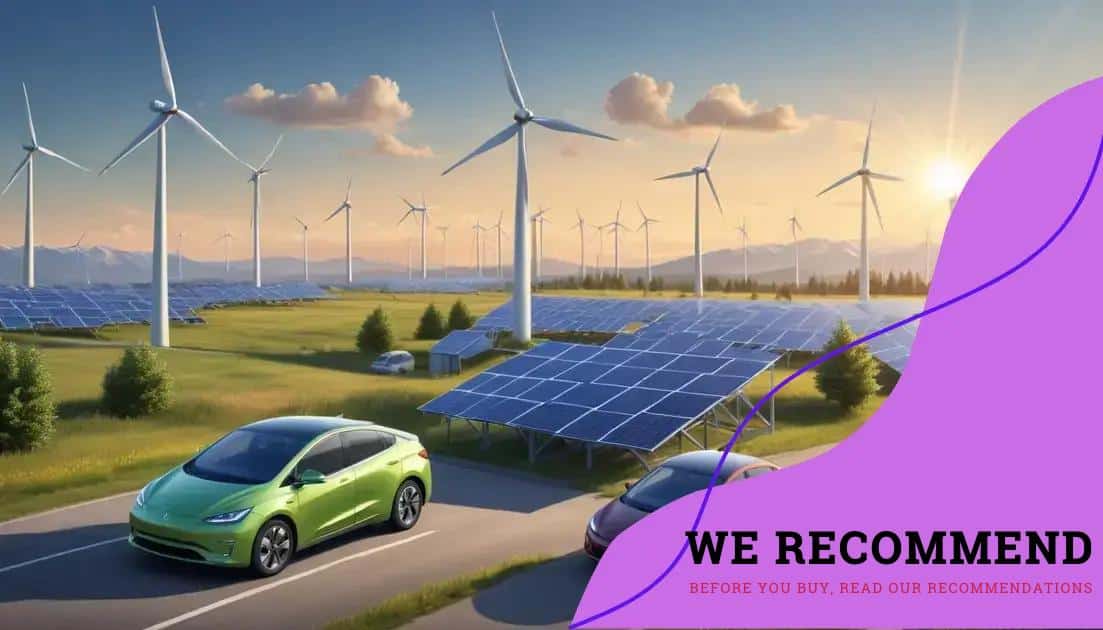
Sectors such as manufacturing, transportation, and agriculture are particularly focusing on integrating solar panels and electric vehicles into their operations.
Innovation and Technology Development
Innovation will play a crucial role in the future landscape of Canadian industries. Businesses are increasingly looking for technological advancements to enhance efficiency and reduce their environmental impact.
This includes exploring digital solutions, such as artificial intelligence and automation, to optimize energy use. As technologies evolve, industries can expect to see improved processes that not only lower costs but also minimize emissions.
Collaboration across sectors will also be essential. Partnerships between businesses, government, and research institutions can foster knowledge sharing and accelerate the development of effective solutions.
Such collaborations are vital in overcoming challenges related to decarbonization and ensuring a smoother transition.
Regulatory Environment and Support
The regulatory environment will continue to influence the outlook for industries. Government policies aimed at promoting sustainable practices are critical.
Incentives and funding programs can encourage companies to invest in cleaner technologies. As regulations tighten, industries that proactively adapt will likely benefit in the long run.
Moreover, public sentiment is shifting towards a greater demand for transparency and corporate responsibility.
Companies that embrace sustainability will build stronger connections with consumers. This demand for accountability can drive further innovation, as businesses strive to meet expectations.
Conclusion
The future of Canadian industries lies in embracing the challenges and opportunities presented by decarbonization.
With a focus on clean technologies and collaboration, businesses can position themselves as leaders in sustainability.
As we look ahead, the ability to adapt and innovate will be key to thriving in a low-carbon economy.
FAQ – Frequently Asked Questions About Industrial Decarbonization in Canada
What is industrial decarbonization?
Industrial decarbonization refers to the process of reducing carbon emissions in industrial operations, primarily through the use of clean technologies and sustainable practices.
Why is Canada focusing on decarbonization?
Canada is focusing on decarbonization to combat climate change, reduce greenhouse gas emissions, and transition to a low-carbon economy, which benefits both the environment and the economy.
What role do investments play in this transition?
Investments in clean technologies are crucial for developing renewable energy sources, enhancing energy efficiency, and supporting innovative solutions that facilitate decarbonization.
What are some challenges industries face in adopting decarbonization strategies?
Challenges include high initial costs, complexity in regulatory compliance, technological limitations, and resistance to changes within the workforce.