Smart Shopping: How to Identify Authentic Daily Deals vs. Fake Discounts in 2026

Advertisements
To identify authentic daily deals versus fake discounts in 2026, consumers must meticulously analyze price history, scrutinize retailer credibility, and leverage advanced comparison tools, ensuring genuine savings.
In the dynamic world of online commerce, the allure of a great deal is undeniable. However, as technology advances, so do the tactics of unscrupulous sellers. Navigating the digital marketplace in 2026 demands a keen eye and a strategic approach to discern genuine savings from deceptive promotions.
This guide explores how to master smart shopping deals, empowering you to identify authentic daily deals and sidestep fake discounts, ensuring every purchase is a true win.
Advertisements
Understanding the Landscape of Daily Deals in 2026
The digital shopping environment of 2026 is more complex than ever, with an explosion of daily deals, flash sales, and limited-time offers.
While many are legitimate opportunities for significant savings, a growing number are cleverly disguised fake discounts designed to mislead consumers. Understanding this landscape is the crucial first step in becoming a savvy shopper.
Retailers, both reputable and otherwise, constantly innovate their promotional strategies. This includes personalized offers driven by AI, augmented reality shopping experiences, and even dynamic pricing that can change based on demand or individual browsing history.
For consumers, this means the challenge of identifying true value requires more than just a quick glance at a percentage off sticker.
The Evolution of Discounting Tactics
Over the past few years, we’ve seen a shift from simple clearance sales to highly sophisticated pricing strategies. These tactics often involve:
- Anchor Pricing: Presenting a high original price to make the discounted price seem more attractive, even if the original price was rarely, if ever, charged.
- Scarcity Marketing: Creating a sense of urgency with ‘limited stock’ or ‘deal ends soon’ timers, often without genuine scarcity.
- Bundling Deceptions: Offering seemingly great deals on product bundles where one or more items are heavily inflated in price or of lower quality.
Recognizing these underlying strategies is fundamental. It’s not just about the final price; it’s about the value proposition and whether the discount genuinely reflects a reduction from a fair market price.
Consumers must evolve their defensive tactics to match the sophistication of modern marketing.
Ultimately, the 2026 daily deals landscape is a double-edged sword: immense opportunities for savings exist, but they are intertwined with numerous pitfalls. Developing a critical mindset and employing robust verification techniques are paramount for any consumer aiming to practice smart shopping effectively.
Decoding Price History: Your First Line of Defense
The most effective way to determine if a deal is authentic is by examining its price history. A genuine discount will show a clear pattern of a higher regular price followed by a temporary reduction.
Fake discounts, on the other hand, often reveal a history of consistent pricing, or even recent price hikes, just before a ‘sale’ begins.
In 2026, several tools and techniques have emerged to make this process easier and more accurate. These resources empower consumers to look beyond the advertised percentage off and understand the true value proposition of a deal.
Leveraging Price Tracking Tools and Browser Extensions
Dedicated price tracking websites and browser extensions are indispensable for smart shoppers. These tools monitor product prices over time, providing historical data that reveals genuine price trends. Before making any purchase, a quick check can save you from falling for inflated ‘original’ prices.
- Automated Price Alerts: Set up notifications for desired products, receiving alerts when prices drop to your target.
- Historical Price Charts: Visualize price fluctuations over weeks, months, or even years, exposing artificial price increases.
- Competitor Price Comparison: Many tools also compare prices across multiple retailers, ensuring you get the best deal available.
Beyond specialized tools, a simple online search for the product’s name followed by ‘price history’ can often yield valuable forum discussions or review sites that track pricing.
This collective consumer intelligence is a powerful asset in the fight against deceptive pricing.
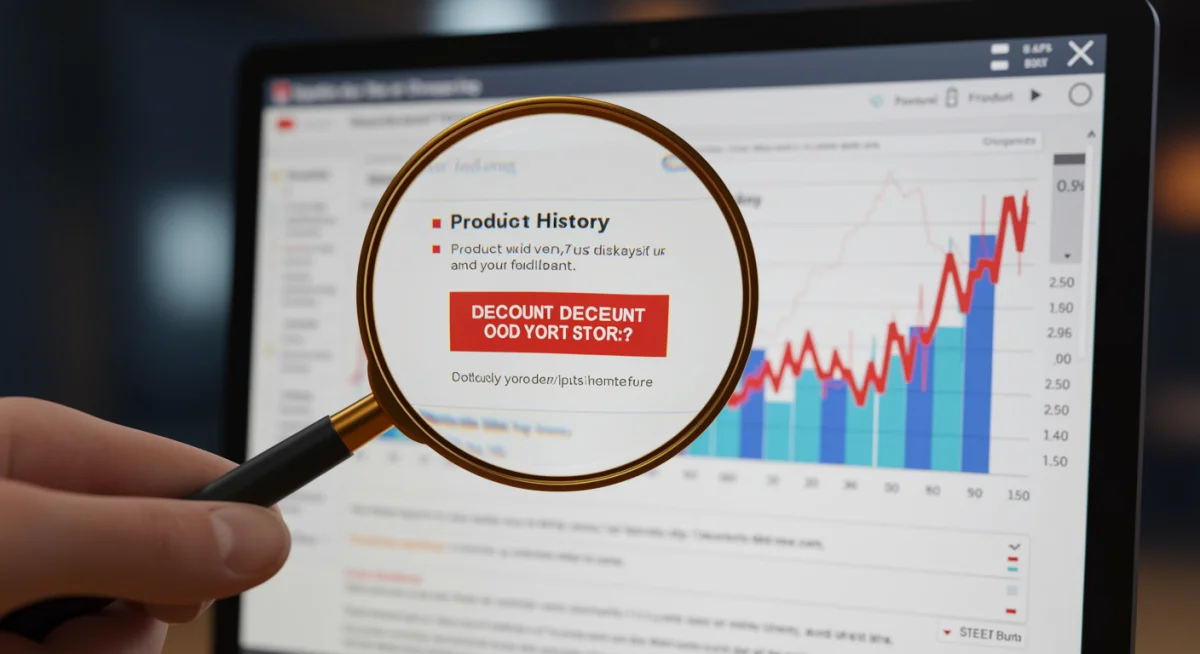
By making price history analysis a routine part of your shopping process, you transform from a reactive buyer into a proactive, informed consumer. This foundational step is critical to identifying whether you are truly getting a bargain or simply being led to believe you are.
Scrutinizing Retailer Credibility and Reviews
Beyond the price tag, the credibility of the retailer offering the daily deal is a significant indicator of authenticity. Reputable retailers value their brand image and are less likely to engage in deceptive pricing practices.
Conversely, unknown or newly established online stores might be more prone to employing fake discount tactics.
In 2026, consumer reviews and online reputation management play an even larger role in building or eroding trust. Before committing to a purchase, especially from an unfamiliar source, a thorough investigation into the seller’s background is non-negotiable for smart shopping.
What to Look for in Retailer Reviews and Reputation
Authentic reviews provide invaluable insights into a retailer’s reliability, product quality, and customer service. However, it’s essential to distinguish genuine feedback from fabricated testimonials. Look for:
- Volume and Consistency: A high volume of consistent, detailed reviews over time is a good sign. Sudden spikes in overwhelmingly positive, generic reviews can be suspicious.
- External Review Platforms: Check independent review sites (e.g., Trustpilot, Better Business Bureau) rather than relying solely on reviews hosted on the retailer’s own website.
- Response to Negative Feedback: How a retailer addresses complaints can be very telling. A proactive and helpful response indicates good customer service.
Additionally, investigate the retailer’s return policy, warranty information, and customer support channels.
Legitimate businesses typically offer clear, fair policies and accessible support. Ambiguous terms or a lack of contact information are red flags that should prompt further caution.
A credible retailer builds trust through transparency and consistent customer satisfaction. By prioritizing this due diligence, you not only protect your wallet but also ensure a smoother, more reliable shopping experience, reinforcing your smart shopping habits.
Advanced Verification Techniques: Beyond the Basics
While price history and retailer credibility are fundamental, 2026 offers more sophisticated tools and strategies for consumers to verify the authenticity of daily deals.
These advanced techniques delve deeper into product specifics and market dynamics, providing a comprehensive verification shield.
The digital landscape is constantly evolving, and so too are the methods available for discerning shoppers. Integrating these advanced techniques into your smart shopping routine can elevate your ability to identify truly exceptional deals.
Utilizing AI-Powered Comparison Platforms and Reverse Image Search
AI-driven comparison platforms have become incredibly adept at analyzing vast amounts of data, not just comparing prices but also factoring in shipping costs, warranty details, and even product specifications across various vendors. These platforms can flag inconsistencies that might indicate a fake discount.
- AI-Driven Anomaly Detection: Some platforms use AI to detect unusual price drops or patterns that deviate from typical market behavior, signaling potential deception.
- Reverse Image Search: If a product image seems too good to be true, a reverse image search can reveal if the image is generic, stolen, or associated with previous scams.
- Product Specification Cross-Referencing: Verify that the product being advertised at a discount matches the exact specifications and model numbers listed elsewhere, preventing ‘bait and switch’ scenarios.
Furthermore, engage with online communities and forums dedicated to deal-finding. These communities often share insights, expose scams, and collectively verify deals.
The collective intelligence of experienced shoppers can be an incredibly powerful resource, offering real-time feedback and vetting of promotions.
By moving beyond basic checks and embracing these advanced verification methods, consumers can navigate the complex world of daily deals with confidence, ensuring that every ‘bargain’ is indeed a genuine opportunity.
Common Red Flags of Fake Discounts to Watch For
Even with advanced tools, understanding the classic red flags of fake discounts remains crucial. These indicators are often subtle but, once recognized, can save you from making regrettable purchases. Developing an instinct for these warning signs is a cornerstone of smart shopping.
Scammers and unethical retailers often rely on emotional triggers and a lack of consumer vigilance.
By being aware of these common tactics, you can maintain a clear head and make rational decisions, rather than falling prey to urgency or perceived scarcity.
Identifying Deceptive Pricing Tactics
Several tell-tale signs often accompany fake discounts:
- Exaggerated Original Prices: Prices that appear ridiculously high before the discount, making the deal seem incredible, are often fabricated.
- Sudden Price Hikes Before a Sale: A product’s price suddenly increases just before a ‘sale’ event, only to drop back down to its regular price, advertised as a discount.
- Vague Product Descriptions: Lack of specific details, model numbers, or clear images, making it difficult to compare with legitimate products.
- Limited Payment Options: Retailers that only offer unconventional payment methods or shy away from secure, widely recognized gateways.
- Poor Website Quality: A poorly designed website, riddled with grammatical errors or unprofessional imagery, often indicates a less reputable seller.

Always trust your instincts. If a deal feels too good to be true, it very likely is. Taking a moment to pause and investigate further, rather than succumbing to impulse, is the hallmark of a truly smart shopper. These red flags are your personal alarm system in the bustling marketplace of 2026.
Protecting Yourself: Practical Solutions and Best Practices
Beyond identifying fake discounts, proactive protection measures are essential for any smart shopper in 2026.
This involves not only prevention but also knowing what to do if you suspect you’ve been scammed. Implementing these practical solutions forms a robust defense against deceptive practices.
The goal is to create a secure and satisfying shopping experience every time. By adopting these best practices, you minimize risks and maximize the benefits of online deals, ensuring your hard-earned money is spent wisely.
Key Strategies for Secure Online Shopping
In addition to vigilance, adopt these habits for a safer shopping journey:
- Secure Payment Methods: Always use credit cards or secure payment platforms (like PayPal) that offer buyer protection. Avoid direct bank transfers or cryptocurrency for unfamiliar vendors.
- Strong Passwords and Two-Factor Authentication: Protect your shopping accounts with unique, strong passwords and enable 2FA wherever possible to prevent unauthorized access.
- Regularly Monitor Bank Statements: Keep an eye on your credit card and bank statements for any suspicious activity or unauthorized charges.
- Understand Return and Refund Policies: Before purchasing, clearly understand the retailer’s return and refund process. A transparent policy is a good sign.
- Keep Records: Save order confirmations, shipping details, and any communication with the seller. This documentation is vital if disputes arise.
If you believe you’ve encountered a fake discount or been scammed, report it. Contact the retailer directly, if possible, and if unsatisfied, escalate to your bank, credit card company, or consumer protection agencies like the Federal Trade Commission (FTC) or your state’s Attorney General.
Your actions not only protect you but also help prevent others from falling victim.
By combining skepticism with practical security measures, you can confidently navigate the 2026 daily deals landscape, turning potential pitfalls into opportunities for genuine savings and smart shopping.
The Future of Smart Shopping: Trends and Tools for 2026 and Beyond
The landscape of online shopping and daily deals is continually evolving. As we look beyond 2026, new technologies and consumer behaviors will further shape how we identify and secure authentic deals.
Staying ahead of these trends is vital for maintaining your edge as a smart shopper.
Anticipating future developments allows consumers to adapt their strategies, ensuring they remain protected and continue to find true value in an increasingly sophisticated marketplace. The future promises both new challenges and innovative solutions for smart shopping.
Emerging Technologies and Consumer Empowerment
Several key trends are set to define the next era of smart shopping:
- Blockchain for Price Transparency: Imagine a future where product price histories are immutably recorded on a blockchain, making fake discounts virtually impossible to conceal.
- Personalized AI Shopping Assistants: AI tools will become even more sophisticated, learning your preferences and automatically vetting deals against your criteria and market data.
- Augmented Reality (AR) for Product Verification: AR apps could allow you to scan a product and instantly pull up real-time price comparisons, authenticity checks, and user reviews.
- Decentralized Review Systems: Platforms where reviews are verified and less susceptible to manipulation, providing more trustworthy consumer feedback.
Consumer education will also become increasingly important. As technology provides new ways to shop and new ways to deceive, staying informed about the latest scams and protection methods will be paramount.
Retailers, too, are under increasing pressure to adopt transparent pricing practices and build genuine trust with their customer base.
The future of smart shopping is one where technology and informed consumerism converge. By embracing new tools and remaining vigilant, shoppers can continue to enjoy the benefits of daily deals while effectively combating the ever-present threat of fake discounts, making every purchase a truly intelligent one.
| Key Strategy | Brief Description |
|---|---|
| Check Price History | Use tools to verify past pricing trends and expose artificial price hikes before a ‘sale’. |
| Evaluate Retailer Credibility | Scrutinize reviews, return policies, and customer service for trustworthiness. |
| Utilize Advanced Tools | Employ AI comparison platforms and reverse image search for deeper deal verification. |
| Recognize Red Flags | Be aware of exaggerated original prices, vague descriptions, and poor website quality. |
Frequently Asked Questions About Daily Deals
The primary indicator of a fake discount is an artificial price hike just before a sale, making the ‘discounted’ price appear lower than its actual regular price. Always check the product’s historical pricing data to verify genuine reductions.
To check credibility, examine independent review sites like Trustpilot and the Better Business Bureau. Look for consistent, detailed reviews and assess their response to negative feedback. Also, verify their return policies and accessible customer support.
No, not all ‘limited-time offers’ are genuine. Many retailers use scarcity marketing tactics, creating false urgency without actual stock limitations or impending price changes. Always cross-reference with price history tools before making an impulse purchase.
AI tools in 2026 analyze vast data sets to compare prices, verify product specifications, and detect unusual market patterns indicative of deceptive deals. They offer advanced anomaly detection and personalized deal vetting, significantly aiding smart shoppers.
If you suspect a scam, first contact the retailer. If unresolved, report it to your credit card company for chargeback options and consumer protection agencies like the FTC or your state’s Attorney General to help safeguard other consumers.
Conclusion
Mastering Daily Deals in 2026 is about more than just finding a good price; it’s about discerning genuine value from clever deception.
By diligently checking price history, scrutinizing retailer credibility, leveraging advanced verification tools, and recognizing common red flags, consumers can confidently navigate the complex world of daily deals.
Proactive protection measures and an awareness of emerging trends will further empower shoppers to make informed decisions, ensuring every purchase is a true saving and a testament to intelligent consumerism.
Remain vigilant, stay informed, and shop wisely to unlock the actual benefits of the digital marketplace.