Outdoor Living Spaces: Design Your Perfect Patio for Summer 2026
Advertisements
Summer 2026 is rapidly approaching, making now the critical time to plan and execute transformations for your outdoor living spaces. This report provides a verified, step-by-step guide to designing the perfect patio or balcony, ensuring you maximize enjoyment and functionality before the season arrives. We examine essential considerations for optimizing your exterior areas for both aesthetics and practical use.
Outdoor living spaces are becoming increasingly vital extensions of our homes, especially as Summer 2026 draws near, prompting many homeowners to reconsider their exterior environments. This guide offers a timely and practical approach to designing your perfect patio or balcony in 4 simple steps, ensuring your outdoor areas are not only beautiful but also highly functional. The focus remains on immediate actionable strategies to prepare for the upcoming summer season.
The trend towards enhancing outdoor living spaces reflects a broader desire for versatile home environments that support relaxation, entertainment, and personal well-being. With careful planning and attention to detail, transforming your patio or balcony into a cherished retreat is entirely achievable. This article provides the foundational knowledge required to embark on such a project with confidence, focusing on clear, actionable advice.
Understanding Your Space and Needs for Outdoor Living
Advertisements
Before any design work begins, a thorough understanding of your existing outdoor living spaces and your personal needs is paramount. This initial assessment involves evaluating the physical dimensions, sun exposure, and current condition of your patio or balcony. Identifying these fundamental aspects will directly influence subsequent design choices and material selections, ensuring a practical and sustainable outcome.
Consider how you envision using the space: Is it primarily for quiet relaxation, entertaining guests, dining al fresco, or perhaps a combination of these activities? Your lifestyle and preferences should dictate the functional zones you create. This includes thinking about privacy needs, noise levels, and how the space connects with your indoor environment, establishing a seamless transition.
Furthermore, assessing the structural integrity and any existing features like railings, fixed planters, or built-in seating is crucial. Understanding these constraints and opportunities early on helps in developing a realistic and effective design plan. This foundational step is critical for successful outdoor living spaces transformation, setting the stage for all subsequent decisions.
Evaluating Current Conditions and Dimensions
A precise measurement of your patio or balcony is the first tangible step, providing the exact dimensions you will work with. Documenting existing elements such as electrical outlets, water sources, and drainage points is equally important for functional planning. These details will inform where you can place lighting, water features, or even an outdoor kitchen, shaping the layout of your outdoor living spaces.
Observing the sun’s path throughout the day and understanding wind patterns will significantly impact comfort and plant choices. A sunny spot might be perfect for a dining area but could require shade solutions, while a windy corner might need windbreaks. These environmental factors are non-negotiable considerations for any successful outdoor living spaces design.
- Measure length, width, and height accurately.
- Note existing utilities like power and water.
- Observe sun exposure and wind patterns.
- Assess current structural integrity and drainage.
Defining Your Vision and Lifestyle Needs
Envisioning the ideal use of your outdoor living spaces helps in prioritizing features and furniture. If entertaining is a key goal, ample seating and a dining area will be essential, perhaps even a bar. For a tranquil retreat, comfortable loungers, privacy screens, and soothing elements like a small fountain might take precedence, reflecting your personal style.
Consider who will be using the space—children, pets, or just adults—as this influences material choices, safety considerations, and overall layout. The goal is to create outdoor living spaces that genuinely cater to your daily life and aspirations, making it a true extension of your home rather than just an afterthought.
Step 1: Strategic Layout and Zoning for Outdoor Living Spaces
Once you understand your space and needs, the next critical step is to develop a strategic layout and define distinct zones within your outdoor living spaces. This involves sketching possible configurations and considering pathways, focal points, and how different areas will flow into one another. Effective zoning maximizes the utility and aesthetic appeal of even the smallest outdoor areas, creating a sense of purpose for each section.
Think about creating functional zones such as a dining area, a lounging space, a cooking station, or even a small garden. Each zone should have a clear purpose and be designed to support specific activities. The strategic placement of furniture, planters, and decorative elements will help delineate these areas without the need for physical barriers, maintaining an open and cohesive feel in your outdoor living spaces.
The layout should also consider traffic flow, ensuring easy movement between zones and access to your home. Avoid overcrowding the space, as this can make it feel cramped and less inviting. A well-planned layout is the backbone of truly functional and enjoyable outdoor living spaces, contributing significantly to the overall user experience.
Creating Functional Zones and Pathways
Begin by sketching out your floor plan, marking primary entry and exit points and any fixed architectural features. This visual representation helps in allocating space for different activities within your outdoor living spaces. For instance, a dining table might be best placed closer to the kitchen entrance, while a lounge area could be tucked into a more secluded corner.
Pathways should be clear and unobstructed, guiding movement naturally through the space. Consider materials for these paths that complement your overall design aesthetic, whether it’s stepping stones, pavers, or a clear strip of decking. Thoughtful pathways enhance both the functionality and visual appeal of your outdoor living spaces.
Optimizing Small Balconies for Maximum Impact
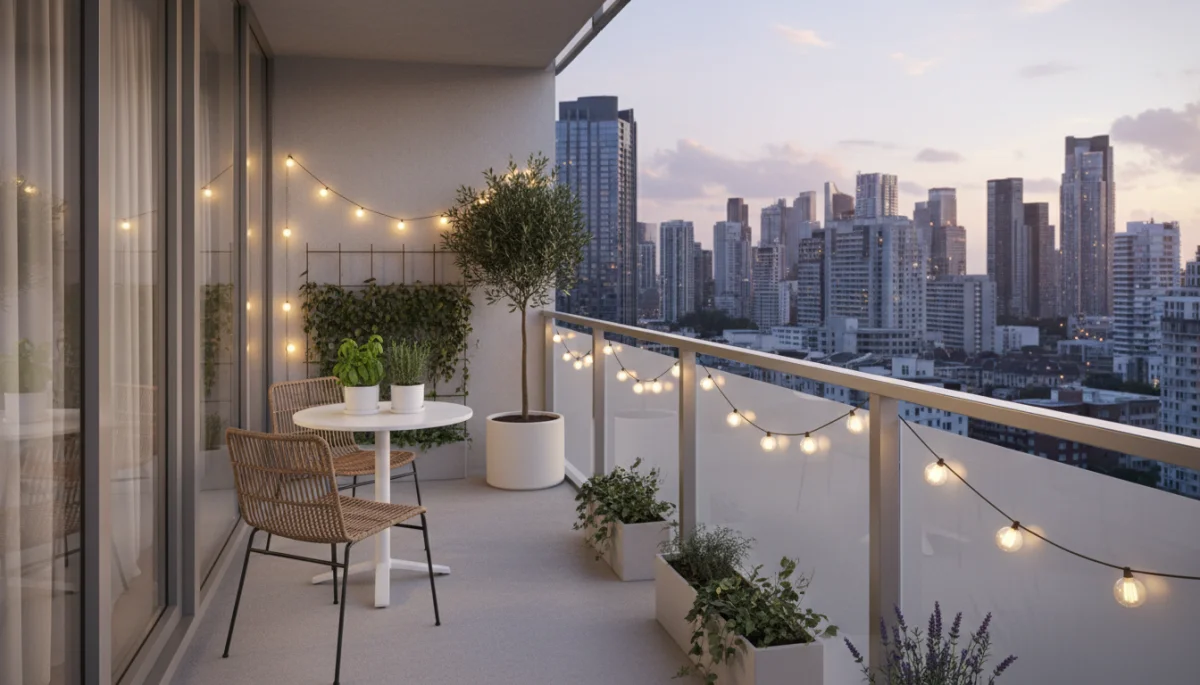
For compact outdoor living spaces like balconies, vertical gardening, and multi-functional furniture are game-changers. Wall-mounted planters can add greenery without consuming precious floor space, while foldable tables and chairs offer flexibility. Every inch counts on a small balcony, so choosing pieces that serve dual purposes or can be easily stored is essential.
Strategic placement of mirrors can also create an illusion of greater space, reflecting light and views. Focus on a cohesive color scheme and minimal clutter to keep the area feeling open and inviting. Even a small balcony can become a vibrant oasis with intelligent design, maximizing its potential as part of your outdoor living spaces.
- Utilize vertical space with shelving or wall planters.
- Choose multi-functional or foldable furniture.
- Incorporate mirrors for visual expansion.
- Maintain a minimalist approach to avoid clutter.
Step 2: Material Selection and Furniture for Outdoor Living Spaces
Selecting the right materials and furniture is pivotal for the durability, comfort, and aesthetic of your outdoor living spaces. The choices you make should withstand local weather conditions, reflect your personal style, and provide the level of comfort you desire. Investing in quality materials initially can save money and effort in the long run, reducing maintenance needs and ensuring longevity.
Consider the interplay of textures and colors to create an inviting atmosphere. Natural materials like wood, stone, and rattan offer warmth and organic appeal, while metals and composites provide a more contemporary edge. The furniture should not only be comfortable but also proportionate to the size of your outdoor living spaces, avoiding pieces that overwhelm or feel too small for the area.
Furthermore, maintenance requirements should play a significant role in your decision-making process. Some materials demand more upkeep than others, so choose options that align with your willingness to clean and protect them. This strategic approach to material and furniture selection ensures your outdoor living spaces remain beautiful and functional for years to come.
Durable Materials for Longevity
When selecting materials for your outdoor living spaces, prioritize those known for their resilience against sun, rain, and temperature fluctuations. Teak, cedar, and synthetic wicker are excellent choices for furniture due to their natural resistance to decay and fading. For flooring, consider porcelain tiles, composite decking, or natural stone, all of which offer robust performance and aesthetic versatility.
Fabrics for cushions and upholstery should be weather-resistant, such as Sunbrella or other outdoor-grade materials, which resist mildew and UV damage. These specialized fabrics maintain their color and integrity even with prolonged exposure to the elements, making them ideal for outdoor living spaces. Such choices ensure your investment remains protected and attractive through various seasons.
Choosing Comfortable and Stylish Furniture
Comfort is paramount in outdoor living spaces, as it encourages prolonged use and enjoyment. Test out seating options for ergonomics and cushioning quality before making a purchase. Modular furniture offers flexibility, allowing you to reconfigure your layout as needed, adapting to different gatherings or activities.
The style of your furniture should harmonize with your home’s architecture and your interior design, creating a cohesive flow between indoor and outdoor living spaces. Whether you prefer a modern, rustic, or bohemian aesthetic, there are countless options available to match your taste. Remember that the right furniture transforms a simple area into a truly inviting retreat.
Step 3: Lighting and Ambiance in Outdoor Living Spaces
Effective lighting is transformative for outdoor living spaces, extending their usability beyond daylight hours and creating a captivating ambiance. A well-designed lighting scheme can highlight architectural features, illuminate pathways for safety, and set the mood for various activities. This strategic element adds depth and character, making your patio or balcony an inviting haven after sunset.
Consider layering different types of lighting to achieve a balanced and versatile effect. This might include ambient lighting for overall illumination, task lighting for specific areas like a dining table or grill, and accent lighting to emphasize decorative elements or plants. The combination of these layers creates a rich visual experience in your outdoor living spaces.
Furthermore, incorporating smart lighting solutions can provide convenience and energy efficiency, allowing you to control brightness and color remotely. Thoughtful lighting design not only enhances the beauty of your outdoor living spaces but also significantly improves their functionality and safety, making them truly enjoyable at any time of day or night.
Layered Lighting for Mood and Function
Ambient lighting forms the base layer, providing general illumination without harshness. String lights, lanterns, or wall sconces can contribute to a soft, inviting glow across your outdoor living spaces. This foundational light ensures comfort and visibility, allowing for relaxed evenings outdoors.
Task lighting focuses on specific areas where activities occur, such as a barbecue station or an outdoor reading nook. Spotlights or pendant lights can be strategically placed to provide adequate illumination without spilling light unnecessarily. Accent lighting, on the other hand, draws attention to features like a beautiful plant, a piece of art, or a water feature, adding visual interest to your outdoor living spaces.
- Install ambient lighting with string lights or lanterns.
- Utilize task lighting for dining or cooking areas.
- Add accent lighting to highlight plants or decor.
- Consider solar-powered options for sustainability.
Incorporating Fire and Water Features
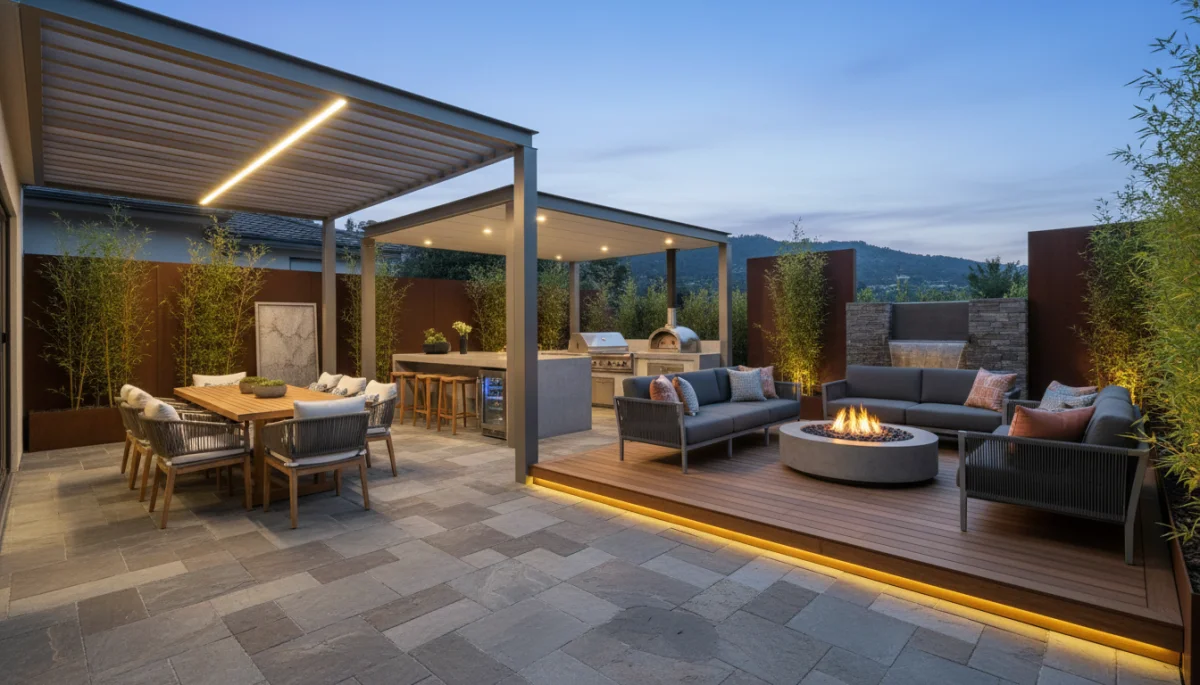
Fire and water elements bring a dynamic and sensory dimension to outdoor living spaces. A fire pit or outdoor fireplace serves as a natural gathering point, providing warmth and a mesmerizing glow, perfect for cooler evenings. These features add a cozy, intimate atmosphere, enhancing the overall comfort and appeal of your patio or balcony.
Water features, ranging from small bubbling fountains to reflective ponds, introduce soothing sounds and visual tranquility. The gentle murmur of water can mask urban noise, creating a more peaceful environment in your outdoor living spaces. Both fire and water elements contribute significantly to the ambiance, making your outdoor area a truly immersive experience.
Step 4: Greenery and Personal Touches for Outdoor Living Spaces
The final step in designing your perfect outdoor living spaces involves integrating greenery and adding personal touches that reflect your style. Plants bring life, color, and freshness to any area, improving air quality and creating a natural aesthetic. Thoughtful planting choices, along with decorative accents, truly personalize the space, making it uniquely yours.
Consider a variety of plant types, including potted plants, hanging baskets, and perhaps even a small herb garden, to add different layers of visual interest. The selection should be appropriate for your climate and the amount of sunlight your outdoor living spaces receive. This ensures the plants thrive, contributing to a lush and vibrant environment.
Personal touches, such as outdoor rugs, decorative pillows, unique art pieces, or even a specialized scent diffuser, elevate the design from functional to truly inviting. These elements infuse personality and warmth into your outdoor living spaces, making them feel like a natural extension of your home and a joy to spend time in.
Selecting Plants and Planters
Choose plants that not only look appealing but also thrive in your specific outdoor conditions. Drought-tolerant species are excellent for low-maintenance outdoor living spaces, while flowering plants add pops of color and attract pollinators. Consider the mature size of plants to ensure they don’t outgrow their space or obstruct views.
Planters themselves can be decorative elements, with options ranging from terracotta and ceramic to sleek metal or composite materials. Grouping planters of varying heights and textures creates visual interest and depth. Vertical gardens are also an efficient solution for maximizing greenery in limited outdoor living spaces, adding a dynamic green wall effect.
Adding Decorative Accents and Personal Style
Outdoor rugs can define zones and add warmth underfoot, while weather-resistant cushions and throw pillows introduce comfort and pops of color. These soft furnishings make your outdoor living spaces feel more like an extension of your interior, blurring the lines between indoor and outdoor living. Select patterns and textures that complement your overall design scheme.
Incorporating unique decorative items, such as sculptures, wind chimes, or curated collections of outdoor lanterns, adds character and reflects your personal taste. Even a well-chosen piece of outdoor art can serve as a focal point, enhancing the aesthetic appeal of your outdoor living spaces. These small details collectively contribute to a truly personalized and inviting atmosphere for Summer 2026.
| Key Step | Brief Description |
|---|---|
| Understand Space & Needs | Evaluate dimensions, sun exposure, and lifestyle to define functional requirements for outdoor living spaces. |
| Strategic Layout & Zoning | Plan distinct zones for dining, lounging, or gardening, ensuring smooth traffic flow within outdoor living spaces. |
| Material & Furniture Selection | Choose durable, weather-resistant materials and comfortable, proportionate furniture for your outdoor living spaces. |
| Greenery & Personal Touches | Integrate plants, lighting, and decorative accents to enhance ambiance and personalize outdoor living spaces. |
Frequently Asked Questions About Outdoor Living Spaces
For small outdoor living spaces, prioritize multi-functional furniture like foldable tables and chairs. Utilize vertical space with wall planters and shelves. Create a sense of openness by avoiding clutter and using a light color palette. Consider one main activity, like reading or a small dining setup, to maximize efficiency and enjoyment.
Highly durable materials for outdoor living spaces include teak, aluminum, stainless steel, and synthetic wicker. These materials offer excellent resistance to weather, UV rays, and corrosion, ensuring longevity with minimal maintenance. Hardwoods like cedar also perform well when properly sealed. Always check for weather-resistant upholstery fabrics like Sunbrella.
Layered lighting is key for outdoor living spaces. Use ambient lighting like string lights or lanterns for general glow, task lighting for specific areas (e.g., grilling), and accent lighting to highlight plants or architectural features. Smart lighting systems offer versatility, allowing you to adjust brightness and color to create different moods for your outdoor living spaces.
For low-maintenance outdoor living spaces, consider drought-tolerant plants such as succulents, lavender, or ornamental grasses. Native plants are also excellent choices as they are adapted to local climate conditions and require less watering and care. Choose plants that do not require frequent pruning or specific soil treatments to simplify upkeep.
The ideal time to start planning your outdoor living spaces for Summer 2026 is now, or at least 6-12 months in advance. This allows ample time for design, material sourcing, furniture selection, and any potential construction or installation. Early planning helps avoid supply chain delays and ensures your space is ready well before the season begins, maximizing enjoyment of your outdoor living spaces.
Looking Ahead: Maximizing Your Outdoor Potential
The strategic planning and execution for your outdoor living spaces outlined here are not just for Summer 2026; they represent an investment in your home’s long-term value and your personal well-being. By focusing on durability, functionality, and aesthetic harmony, you create an environment that adapts to various needs and preferences. The ongoing trend of integrating indoor and outdoor living suggests that these spaces will continue to be central to homeowner priorities, reflecting a desire for versatile and enriching home experiences. What happens now is the transformation of these insights into tangible, beautiful outdoor living spaces for all seasons.