Furniture Arrangement Hacks: Optimize Your Living Room Layout in Under 60 Minutes
Advertisements
Latest developments on Furniture Arrangement Hacks: Optimize Your Living Room Layout in Under 60 Minutes (PRACTICAL SOLUTIONS), with key facts, verified sources and what readers need to monitor next in Estados Unidos, presented clearly in Inglês (Estados Unidos) (en-US).
Furniture Arrangement Hacks: Optimize Your Living Room Layout in Under 60 Minutes (PRACTICAL SOLUTIONS) is shaping today’s agenda with new details released by officials and industry sources. This update prioritizes what changed, why it matters and what to watch next, in a straightforward news format.
The current focus on efficient living spaces and home optimization has brought these practical solutions to the forefront. Experts are emphasizing how minor adjustments can lead to significant improvements in functionality and aesthetic appeal, directly impacting daily living.
Advertisements
This movement towards rapid home improvement aligns with current trends in interior design, where accessibility and immediate results are highly valued. Understanding these hacks can empower homeowners to transform their living environments without extensive time or financial commitments.
Understanding Your Living Room’s Potential: The Foundation of Optimization
Before moving any furniture, a critical first step involves evaluating your living room’s existing layout and identifying its primary purpose. This foundational assessment helps in understanding how the space is currently utilized and where improvements can be made to enhance its functionality.
Consider the main activities that take place in your living room, such as entertaining guests, watching television, or reading. This clarity will guide your decisions about furniture placement and ensure that the optimized layout truly serves your lifestyle needs.
Many homeowners overlook the importance of defining zones within their living space, which is crucial for maximizing utility and creating a harmonious environment. A well-defined purpose for each area within the room is the cornerstone of effective furniture arrangement hacks.
Assessing Traffic Flow and Focal Points
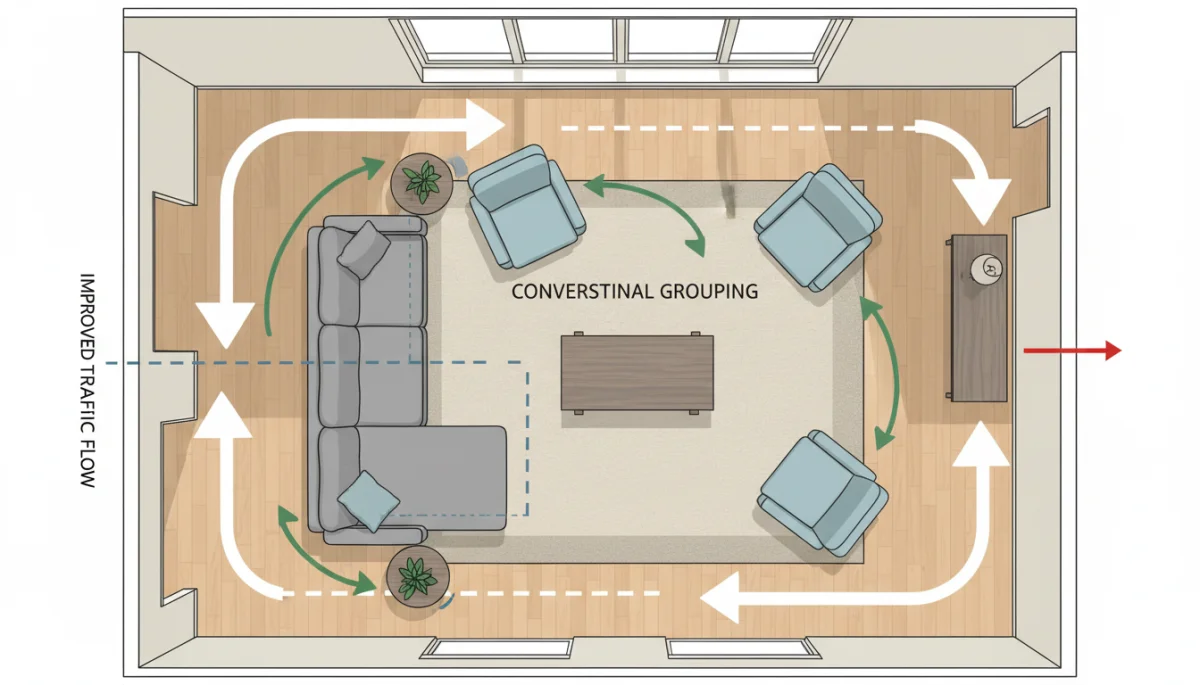
Effective furniture arrangement begins with a clear understanding of traffic flow within the room. Ensure that pathways are unobstructed, allowing for easy movement between entry points and various functional zones, preventing a cluttered or cramped feeling.
Identifying the room’s focal point, whether it’s a fireplace, a large window, or a television, is equally important. All major seating should be oriented towards this focal point, creating a cohesive and inviting conversational area.
Without careful consideration of these elements, even well-chosen furniture can feel out of place or hinder the room’s overall usability. Prioritizing flow and focal points establishes a logical and intuitive layout.
- Evaluate natural pathways through the room.
- Determine the primary visual anchor of the space.
- Ensure clear access to all doorways and windows.
By taking these initial steps, you lay the groundwork for effective furniture arrangement hacks. This preliminary analysis ensures that subsequent adjustments are purposeful and contribute to a more optimized living room layout.
Quick Wins: Repositioning Key Furniture Pieces for Immediate Impact
Once you have assessed your living room’s potential, focusing on repositioning key furniture pieces can yield immediate and noticeable improvements. This phase involves strategic adjustments to the largest items first, as they dictate the overall structure of the room.
Start with your sofa or main seating arrangement, considering its relationship to the focal point and primary traffic paths. Often, simply pulling a sofa slightly away from a wall can create a more open and inviting feel, making the room appear larger.
These quick wins are the essence of effective furniture arrangement hacks, providing significant visual and functional upgrades without requiring extensive effort or new purchases. The goal is to achieve a more optimized living room layout swiftly.
Optimizing Seating Arrangements for Conversation
Creating an inviting conversational area is paramount in any living room. Position seating so that individuals can comfortably engage with one another without straining their necks or shouting across vast distances, fostering social interaction.
Consider arranging sofas and chairs to face each other or in an L-shape, promoting a sense of intimacy and connection. This configuration encourages dialogue and makes the space more welcoming for both residents and guests.
Small adjustments, such as pulling chairs closer to the main sofa, can dramatically improve the social dynamics of the room. This simple hack directly contributes to a more integrated and functional living room layout.
- Arrange main seating to face each other for easy conversation.
- Utilize L-shaped configurations to define conversational zones.
- Ensure comfortable proximity between seating elements.
Implementing these simple seating adjustments can instantly transform the social atmosphere of your living room. An optimized living room layout prioritizes human interaction and comfort above all else.
Leveraging Area Rugs and Lighting to Define Zones
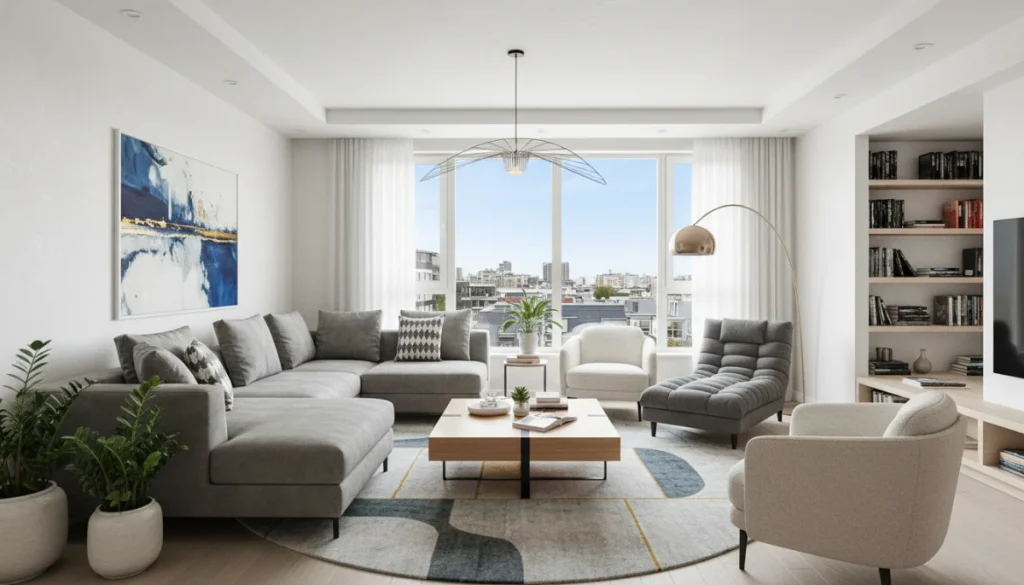
Area rugs and strategic lighting are powerful tools for defining distinct zones within an open-concept living room, even without physical walls. These elements visually anchor different areas, creating a sense of purpose and separation.
A well-placed area rug can delineate a seating area, making it feel more cohesive and inviting. It acts as a visual boundary, pulling together sofas, chairs, and coffee tables into a unified grouping, which is a core concept of furniture arrangement hacks.
Similarly, various types of lighting—ambient, task, and accent—can highlight specific zones and activities. This layered approach enhances both the functionality and aesthetic appeal of your optimized living room layout.
The Impact of Rug Placement on Room Perception
The size and placement of an area rug significantly influence how a room is perceived. A rug that is too small can make a seating area feel disconnected and undersized, while a properly sized rug unifies the space.
Ideally, all front legs of major seating pieces should rest on the rug, or at least the front legs of the sofa, to create a grounded and intentional look. This helps to visually expand the area and make the furniture feel more integrated.
This furniture arrangement hack ensures that the rug serves its purpose as a unifying element rather than an isolated accent. It’s a subtle yet impactful detail in optimizing your living room layout.
Strategic Lighting for Enhanced Functionality
Layered lighting is essential for creating a versatile and inviting living room. Ambient lighting provides overall illumination, while task lighting supports activities like reading or working, and accent lighting highlights decor.
Consider floor lamps next to reading chairs, table lamps on side tables, and even wall sconces to add depth and warmth. Each light source serves a specific function, contributing to the overall usability of the space.
By strategically placing different types of lighting, you can enhance the mood and functionality of each zone within your living room. This is a crucial element among furniture arrangement hacks for a truly optimized living room layout.
- Use a large area rug to define the main seating area.
- Ensure the rug extends under at least the front legs of major furniture.
- Incorporate ambient, task, and accent lighting for layered illumination.
By thoughtfully applying these principles, you can effectively define distinct zones within your living room, improving both its appearance and practicality. These furniture arrangement hacks are vital for maximizing the utility of your space.
Utilizing Vertical Space and Multi-functional Furniture
Maximizing vertical space and incorporating multi-functional furniture are ingenious furniture arrangement hacks for optimizing any living room, especially in smaller homes. These strategies address storage needs while maintaining an uncluttered aesthetic.
Tall bookshelves, wall-mounted shelves, and vertical storage units draw the eye upwards, making ceilings appear higher and the room feel more expansive. This approach utilizes often-overlooked real estate, providing practical solutions for organization.
Multi-functional pieces, such as ottomans with storage or coffee tables that convert into dining tables, serve dual purposes, reducing the need for additional furniture. These smart choices are central to achieving an efficient and optimized living room layout.
Incorporating Smart Storage Solutions
Integrating smart storage solutions is key to maintaining an organized and serene living room. Clutter can quickly overwhelm a space, regardless of how well the furniture is arranged, undermining the benefits of other furniture arrangement hacks.
Look for furniture with built-in storage, such as media consoles with drawers or benches with hidden compartments. These pieces help keep everyday items out of sight but easily accessible, contributing to a tidy environment.
Floating shelves can also provide display and storage without occupying valuable floor space, offering a minimalist yet functional solution. This careful consideration of storage is integral to an optimized living room layout.
- Invest in vertical shelving and wall-mounted units.
- Choose furniture with integrated storage compartments.
- Utilize decorative baskets and bins for concealed storage.
By thoughtfully integrating vertical storage and multi-functional items, you can enhance both the organization and perceived spaciousness of your living room. These furniture arrangement hacks are particularly valuable for compact living areas.
The Art of Decluttering: A Prerequisite for Effective Arrangement
Decluttering is an often-underestimated but essential prerequisite for successful furniture arrangement hacks. A cluttered room, regardless of how well its furniture is placed, will always feel disorganized and less appealing.
Before you even begin to move a single piece of furniture, take the time to remove unnecessary items, broken objects, and anything that doesn’t serve a purpose or bring joy. This initial purge creates a clean slate and allows for a clearer vision of your optimized living room layout.
The physical act of decluttering not only frees up space but also clears mental clutter, making the subsequent arrangement process far more effective. It’s a foundational step that amplifies the impact of all other furniture arrangement hacks.
Minimizing Visual Noise for a Serene Space
Visual noise, caused by too many small items or mismatched decor, can detract from even the most thoughtfully arranged living room. Strive for simplicity and intentionality in your decorative choices to promote a sense of calm.
Group similar items together, use trays to contain smaller objects, and select a cohesive color palette to reduce visual chaos. These subtle techniques contribute significantly to a more harmonious and serene environment.
By minimizing visual distractions, you allow the furniture arrangement to stand out and the room’s inherent beauty to shine through. This focus on clarity is a powerful aspect of effective furniture arrangement hacks.
- Remove all non-essential items from the living room.
- Organize remaining items into logical categories.
- Implement a ‘one in, one out’ rule for new purchases.
A decluttered space is more than just tidy; it’s a foundation for an effective and aesthetically pleasing living room layout. This crucial step ensures that your furniture arrangement hacks yield their maximum benefit.
Incorporating Personal Touches and Accessories Thoughtfully
Once the major furniture pieces are in place and the room is decluttered, incorporating personal touches and accessories thoughtfully becomes the final layer of optimization. These elements imbue the space with personality and warmth, making it truly feel like home.
However, the key is intentionality; avoid over-accessorizing, which can quickly lead to clutter and undermine all previous efforts. Each decorative item should have a purpose, whether it’s adding color, texture, or a personal narrative.
Thoughtful accessorizing complements your furniture arrangement hacks, enhancing the overall aesthetic without overwhelming the senses. It’s about creating moments of visual interest that reflect your style and contribute to an optimized living room layout.
Curating Your Decor for Cohesion
Curating your decor involves selecting items that resonate with your personal style and contribute to a cohesive theme. Instead of randomly placing items, think about how each piece relates to the others and to the overall design of the room.
Groupings of three or five items often create a more visually appealing arrangement than single items scattered haphazardly. Varying heights, textures, and materials within these groupings adds depth and interest.
This deliberate approach ensures that your accessories enhance rather than detract from your optimized living room layout. It’s a subtle yet powerful aspect of effective furniture arrangement hacks.
- Choose accessories that reflect your personal style and color palette.
- Group similar items together for a curated look.
- Vary textures and heights within your decor arrangements.
By carefully selecting and placing your accessories, you can elevate the visual appeal of your living room, making it feel complete and authentically yours. This final step solidifies the impact of your furniture arrangement hacks.
Adapting to Different Living Room Shapes and Sizes
Different living room shapes and sizes present unique challenges and opportunities for furniture arrangement hacks. Recognizing these specific characteristics is crucial for tailoring your approach and achieving an truly optimized living room layout.
Whether you’re dealing with a long, narrow room, a small square space, or an irregularly shaped area, specific strategies can be employed to maximize functionality and visual appeal. One-size-fits-all solutions rarely work effectively.
Understanding how to adapt your furniture arrangement hacks to these varying dimensions ensures that your efforts result in a comfortable and efficient environment, regardless of the architectural constraints. This flexibility is key to successful space planning.
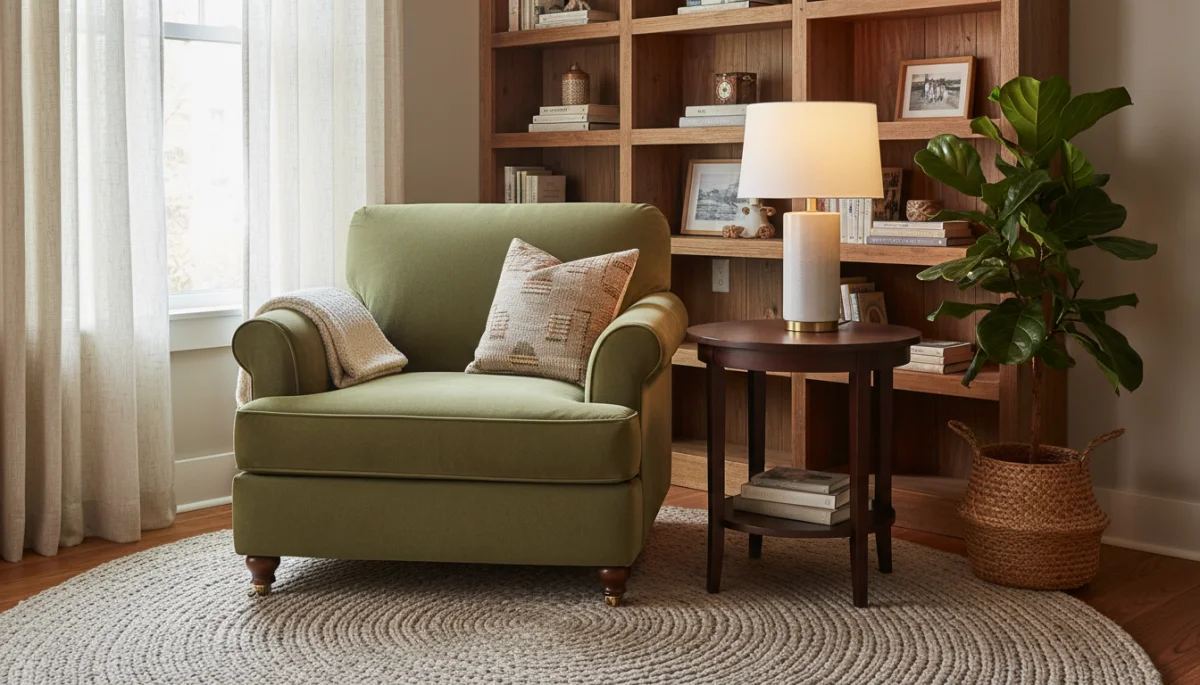
Strategies for Small Living Rooms
For small living rooms, the focus should be on creating an illusion of space and utilizing every inch effectively. Opt for smaller-scale furniture, avoid overly bulky pieces, and consider furniture with exposed legs to allow light to pass through, making the room feel lighter.
Wall-mounted shelving and vertical storage are invaluable in compact spaces, freeing up precious floor area. Mirrors can also be strategically placed to reflect light and create the perception of a larger room, a clever furniture arrangement hack.
These tailored strategies ensure that even the most modest living rooms can feel expansive and functional. An optimized living room layout in a small space prioritizes smart, multi-functional design.
Addressing Long and Narrow Spaces
Long and narrow living rooms often benefit from creating distinct zones to break up the linear flow. Use area rugs and furniture groupings to define separate areas for conversation, reading, or entertainment, preventing the room from feeling like a hallway.
Placing furniture perpendicular to the longest wall can help to visually widen the space and create more intimate groupings. Avoid lining all furniture along the walls, as this can exacerbate the tunnel effect, hindering an optimized living room layout.
These specific furniture arrangement hacks help to balance the proportions of challenging room shapes. The goal is always to create a balanced and inviting environment through thoughtful placement.
- For small rooms, choose compact furniture and utilize vertical space.
- In long rooms, create distinct zones with rugs and perpendicular furniture.
- Consider the scale of furniture relative to the room’s dimensions.
By understanding and applying these shape-specific furniture arrangement hacks, you can overcome common layout challenges and create a living room that feels perfectly tailored to its dimensions. This adaptability is central to effective space planning.
The Psychology of Space: How Layout Affects Mood and Function
The psychology of space plays a significant role in how we experience our living rooms, extending beyond mere aesthetics to impact mood, comfort, and overall well-being. An optimized living room layout can foster feelings of calm and connection.
Conversely, a poorly arranged space can lead to feelings of stress, claustrophobia, or disconnection. Understanding these psychological principles is a powerful aspect of furniture arrangement hacks, guiding decisions that enhance daily life.
By intentionally designing your living room with these psychological impacts in mind, you can create an environment that not only looks good but also genuinely supports your emotional and functional needs. It’s about crafting a space that truly serves its inhabitants.
Creating Inviting and Balanced Environments
An inviting living room often features a balanced arrangement where visual weight is evenly distributed. Avoid clustering all heavy furniture on one side, which can make the room feel lopsided and uncomfortable.
Symmetry can create a sense of order and tranquility, while intentional asymmetry can add dynamic interest without sacrificing balance. These subtle shifts in placement contribute significantly to the perceived harmony of the space.
Achieving this balance is a key outcome of effective furniture arrangement hacks, leading to a living room that feels both aesthetically pleasing and psychologically comforting. It’s about designing for human experience.
- Ensure visual weight is balanced across the room.
- Utilize symmetry for a sense of calm or asymmetry for dynamism.
- Consider the emotional impact of different furniture groupings.
By integrating these psychological considerations into your furniture arrangement hacks, you can create a living room that not only functions beautifully but also positively influences the mood and comfort of everyone who uses it.
Reviewing and Refining Your Optimized Living Room Layout
After implementing various furniture arrangement hacks, the crucial final step is to review and refine your optimized living room layout. This iterative process allows for minor adjustments that can significantly enhance the overall feel and functionality of the space.
Spend time living in the newly arranged room, observing how the changes impact daily activities and interactions. What might look good on paper doesn’t always translate perfectly to real-world usage, necessitating a practical evaluation.
This ongoing refinement ensures that your living room truly meets your needs and continues to evolve with your lifestyle. It’s an essential part of making furniture arrangement hacks work long-term, leading to a truly optimized living room layout.
Testing Traffic Flow and Comfort Levels
Actively test the traffic flow by walking through the room from different entry points and between various zones. Are there any awkward bottlenecks or areas that feel too cramped for comfortable movement? Adjust furniture as needed to smooth out these paths.
Sit in different seating areas to assess comfort levels and conversational ease. Can everyone comfortably reach a side table? Is the lighting adequate for reading? These practical tests reveal areas for further improvement.
This hands-on evaluation is indispensable for fine-tuning your furniture arrangement hacks. It ensures that the optimized living room layout is not just visually appealing but also highly functional and comfortable for everyday use.
- Walk through the room to identify any traffic flow issues.
- Test all seating areas for comfort and accessibility.
- Adjust minor placements to enhance functionality.
By dedicating time to review and refine, you ensure that your furniture arrangement hacks culminate in a living room that is perfectly tailored to your needs. This continuous improvement guarantees a truly optimized living room layout.
| Key Strategy | Benefit |
|---|---|
| Assess Room Purpose | Ensures layout meets specific lifestyle needs. |
| Define Zones | Creates distinct functional areas for various activities. |
| Optimize Traffic Flow | Prevents bottlenecks and allows easy movement. |
| Utilize Multi-functional Items | Maximizes utility and minimizes clutter in compact spaces. |
Frequently Asked Questions About Living Room Layout Optimization
Many of these furniture arrangement hacks can yield noticeable results in under 60 minutes. Focusing on key pieces like sofas and rugs, and assessing traffic flow, allows for rapid transformation and an optimized living room layout.
Not necessarily. Many effective furniture arrangement hacks involve repositioning existing items. While a few strategic purchases like multi-functional pieces can help, the primary goal is to make the most of what you already own for an optimized living room layout.
Defining the room’s primary purpose and ensuring clear traffic flow are arguably the most important factors. These foundational steps guide all other furniture arrangement hacks, leading to a truly optimized living room layout that is both functional and inviting.
Absolutely. Many furniture arrangement hacks are particularly effective for small living rooms, focusing on vertical space, multi-functional furniture, and strategic placement to create the illusion of more space and an optimized living room layout.
It’s advisable to review your living room’s arrangement periodically, perhaps once or twice a year, or whenever your lifestyle changes. This ensures your optimized living room layout continues to meet your evolving needs and preferences effectively.
Looking Ahead: The Evolving Landscape of Home Living
The emphasis on efficient and adaptable living spaces, driven by evolving lifestyles and compact urban dwellings, underscores the enduring relevance of furniture arrangement hacks. These practical solutions are not just fleeting trends but essential tools for creating comfortable and functional homes. As more individuals seek immediate, tangible improvements to their environments, the demand for accessible strategies to achieve an optimized living room layout will continue to grow. Monitoring innovations in modular furniture and smart home integration will reveal further opportunities to enhance these foundational principles, ensuring living spaces remain dynamic and responsive to user needs.