Achieving a Minimalist Look: Your 2026 Decluttering Guide
Advertisements
Latest developments on Achieving a Minimalist Look: A Step-by-Step Guide for Decluttering and Decorating in 2026 (PRACTICAL SOLUTIONS), with key facts, verified sources and what readers need to monitor next in Estados Unidos, presented clearly in Inglês (Estados Unidos) (en-US).
Achieving a Minimalist Look: A Step-by-Step Guide for Decluttering and Decorating in 2026 (PRACTICAL SOLUTIONS) is shaping today’s agenda with new details released by officials and industry sources. This update prioritizes what changed, why it matters and what to watch next, in a straightforward news format.
The Rise of Intentional Living: Why Minimalism Matters in 2026
As 2026 unfolds, the desire for simplicity and intentional living continues to gain momentum, shifting consumer focus from accumulation to curation. This cultural pivot is driven by an increasing awareness of environmental impact, mental well-being, and the pursuit of functional beauty within personal spaces.
Advertisements
The concept of a minimalist look is no longer just an aesthetic choice; it represents a conscious decision to streamline one’s environment, reducing distractions and enhancing daily life. This guide will provide practical insights into how to achieve this transformative lifestyle.
Understanding the core principles behind the minimalist movement is crucial for anyone looking to adopt this approach effectively. It’s about more than just decluttering; it’s about creating a harmonious and purposeful living space.
Strategic Decluttering: The Foundation of Your Minimalist Home
Embarking on the journey to a minimalist look begins with a thorough and strategic decluttering process. This initial phase involves a systematic review of all possessions, focusing on identifying items that genuinely serve a purpose or bring joy.
It is not about deprivation, but rather about thoughtful selection and conscious removal of excess. Successful decluttering creates the necessary space, both physical and mental, for a truly minimalist aesthetic to emerge.
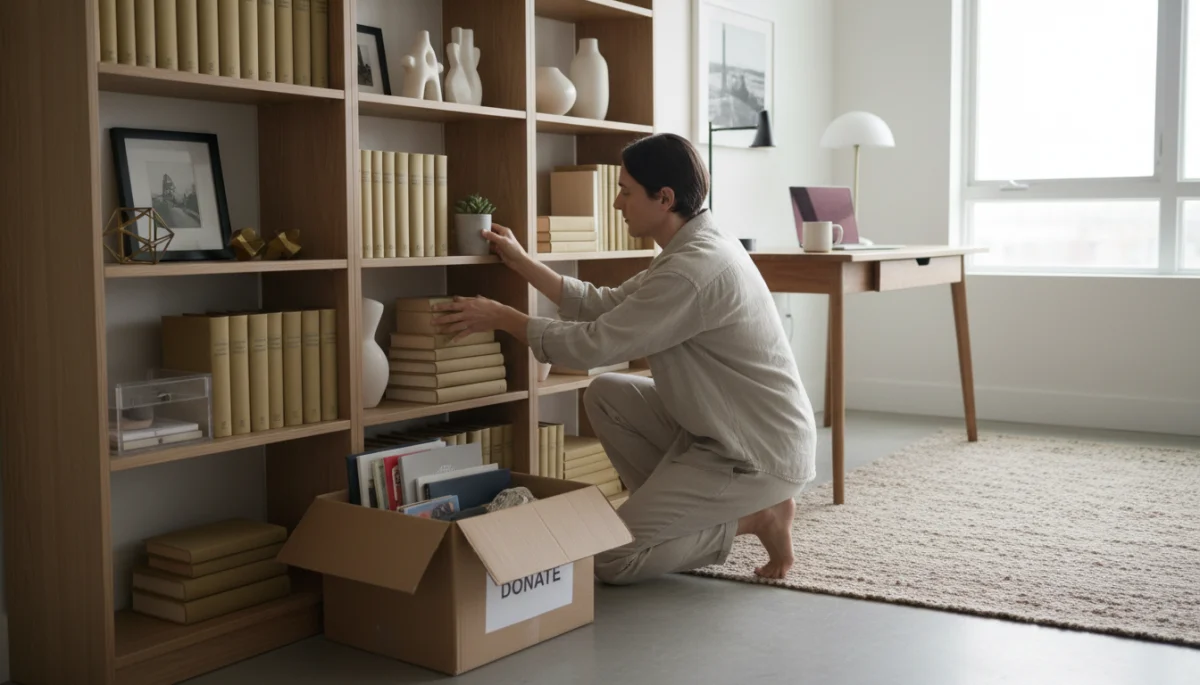
Adopting a structured approach, such as the ‘one in, one out’ rule or the ‘four-box method,’ can significantly streamline this often daunting task. These methods provide clear guidelines to prevent feeling overwhelmed by the sheer volume of items.
Implementing the Four-Box Method for Efficiency
- Keep: Items that are regularly used, hold significant sentimental value, or are essential for daily life.
- Donate/Sell: Items in good condition that are no longer needed but could benefit others or generate some income.
- Trash: Broken, unusable, or expired items that cannot be repurposed or recycled.
- Relocate: Items that belong in another room or need to be stored elsewhere, out of immediate sight.
This methodical approach ensures that every item is considered, preventing impulsive decisions and fostering a more organized decluttering experience. The goal is to make intentional choices about what remains in your space.
Optimizing Storage Solutions for a Seamless Minimalist Look
Once decluttering is complete, optimizing storage becomes paramount in maintaining a minimalist look. Effective storage solutions are designed to be both functional and aesthetically pleasing, seamlessly integrating into the home’s design without adding visual clutter.
This involves utilizing hidden storage, such as built-in cabinets or furniture with integrated compartments, to keep essentials out of sight. The aim is to create an environment where every item has its designated place, contributing to an overall sense of order.
Careful planning of storage ensures that spaces remain tidy and organized, preventing the gradual accumulation that can undermine minimalist efforts. It’s about maximizing utility while minimizing visual intrusion.
Smart Storage Choices for a Clutter-Free Environment
- Built-in Cabinetry: Custom solutions that blend with walls, offering ample storage without protruding into the living space.
- Multi-functional Furniture: Ottomans with storage, beds with drawers underneath, or coffee tables with hidden compartments.
- Vertical Storage: Utilizing wall-mounted shelves or tall, slender units to draw the eye upwards and free up floor space.
These strategic storage choices are fundamental to preserving the clean lines and open feel characteristic of a minimalist look. They transform potential clutter into organized, accessible necessities.
Embracing Neutral Palettes and Natural Materials in Minimalist Decor
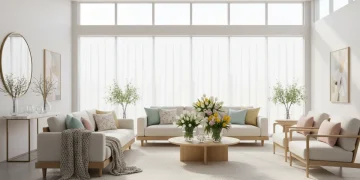
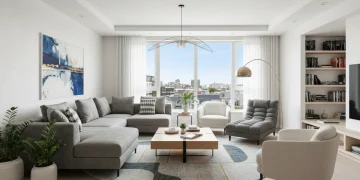
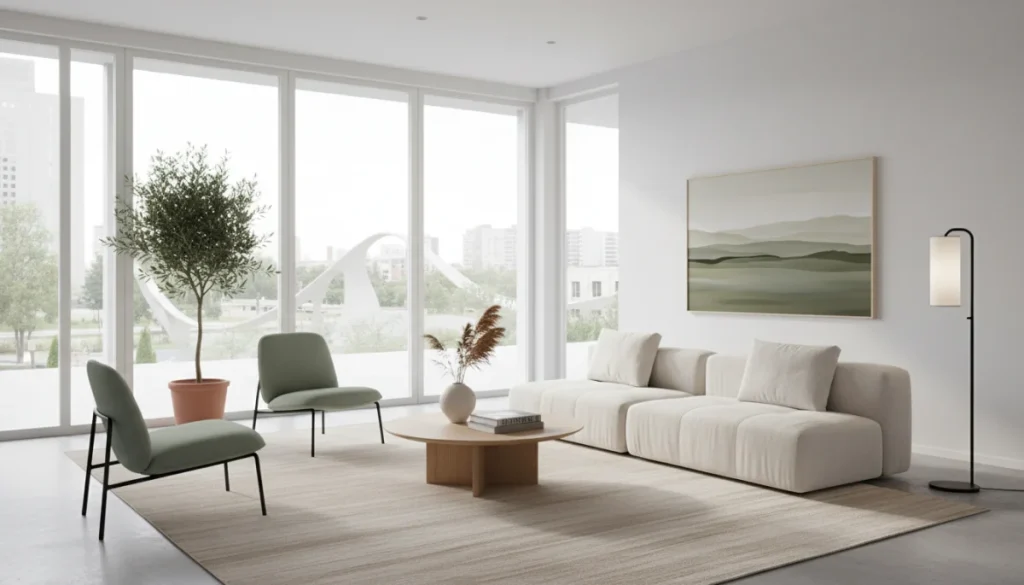
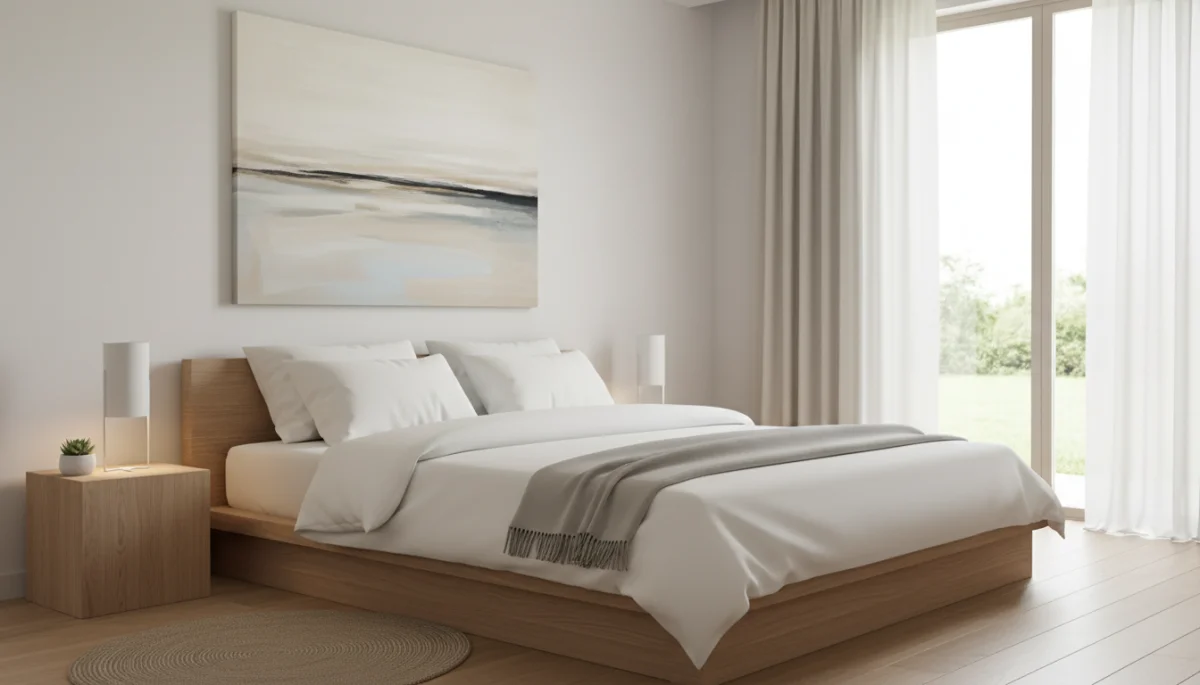
The aesthetic core of a minimalist look in 2026 leans heavily on neutral color palettes and the incorporation of natural materials. These elements work in tandem to create a calming, sophisticated, and timeless atmosphere that enhances the sense of space and tranquility.
Neutrals like whites, grays, beiges, and muted earth tones provide a versatile backdrop, allowing textures and subtle variations to take center stage. This approach ensures that the environment feels open and airy, rather than stark or unwelcoming.
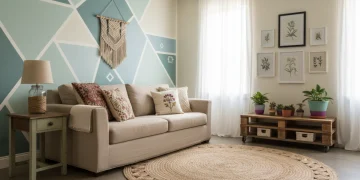
Natural materials such as wood, stone, linen, and cotton introduce organic warmth and tactile richness, preventing the minimalist space from feeling sterile. They connect the interior with nature, fostering a sense of grounding and authenticity.
Key Elements for a Harmonious Minimalist Palette
- Color Scheme: Predominantly soft neutrals with occasional subtle accents to add depth without overwhelming the space.
- Materiality: Incorporate wood for furniture, linen for textiles, and ceramic or stone for decorative pieces to add texture.
- Lighting: Maximize natural light and use simple, functional lighting fixtures that complement the overall aesthetic.
By carefully selecting these elements, one can achieve a serene and inviting environment that truly embodies the essence of a minimalist look. The focus remains on quality and thoughtful integration.
Selecting Furniture and Decor with Purpose and Simplicity
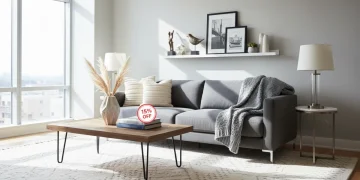
Furniture and decor in a minimalist setting are chosen for their functionality, clean lines, and enduring quality. Each piece serves a specific purpose, contributing to the overall design without creating visual noise.
The emphasis is on investing in fewer, higher-quality items that are built to last and align with the aesthetic principles of simplicity. This approach moves away from disposable trends towards sustainable and intentional consumption.
Decorations are minimal and carefully curated, often serving as focal points or conversation starters. They add personality without detracting from the overall calm and uncluttered feel of the room.
Intentional Choices for Minimalist Furnishings
- Clean Lines: Opt for furniture with simple, geometric shapes and an absence of excessive ornamentation.
- Multi-functionality: Choose pieces that can serve more than one purpose, such as a bench that doubles as storage.
- Quality Over Quantity: Invest in durable, well-crafted items that will withstand the test of time and use.
This disciplined approach to selection ensures that every item in the home contributes meaningfully to the desired minimalist look. It fosters a space that is both beautiful and highly functional.
Integrating Technology Seamlessly into a Minimalist Space
In 2026, technology is an indispensable part of daily life, yet it can often conflict with the principles of a minimalist look. The challenge lies in integrating devices and cables seamlessly, ensuring they enhance convenience without compromising visual harmony.
Strategic placement and innovative solutions are key to achieving this balance. The goal is to keep technology accessible when needed, yet discreetly hidden when not in use, maintaining the clean aesthetic.
This integration often involves thoughtful design choices, from furniture with built-in charging stations to smart home systems that reduce the need for multiple visible devices. The aim is to create an intuitive and uncluttered technological environment.
Maintaining a Minimalist Look: Habits for Long-Term Success
Achieving a minimalist look is not a one-time event but an ongoing practice that requires consistent effort and mindful habits. Regular maintenance is crucial to prevent clutter from accumulating and to preserve the serene atmosphere created.
Establishing daily or weekly routines for tidying and organizing helps reinforce the principles of intentional living. These habits ensure that the home remains a sanctuary, free from unnecessary chaos and stress.
Periodically reassessing possessions and letting go of items that no longer serve a purpose is also vital. This continuous evaluation process is key to sustaining a true minimalist look over time.
Daily Routines for Sustaining Minimalism
- Daily Tidy-Up: Dedicate 10-15 minutes each day to put items back in their designated places.
- Weekly Review: Conduct a quick scan of each room to identify any emerging clutter and address it promptly.
- Seasonal Declutter: Perform a deeper decluttering session once every few months to reassess belongings and remove anything new that is no longer needed.
These simple yet effective habits are foundational to maintaining the integrity and peace of a minimalist home. They transform maintenance into an effortless part of daily life.
The Psychological Benefits of Embracing a Minimalist Lifestyle
Beyond aesthetics, adopting a minimalist look offers significant psychological benefits, contributing to enhanced mental clarity, reduced stress, and an increased sense of control. A clutter-free environment often translates to a clutter-free mind.
By simplifying one’s surroundings, individuals can experience greater focus and productivity, as fewer distractions compete for attention. This shift allows for more intentional engagement with activities and relationships.
The process of decluttering and curating possessions can also be deeply empowering, fostering a sense of agency and self-awareness. It encourages a deeper reflection on values and priorities, aligning one’s external space with internal well-being.
| Key Method | Brief Description |
|---|---|
| Strategic Decluttering | Systematic removal of excess items to create a clean foundation. |
| Optimized Storage | Utilizing hidden and multi-functional solutions to maintain order. |
| Neutral Aesthetics | Employing neutral colors and natural materials for a serene ambiance. |
| Intentional Decor | Selecting functional, high-quality furniture and minimal decorative items. |
Frequently Asked Questions About Achieving a Minimalist Look
The initial step involves a comprehensive decluttering process. Begin by identifying and removing items that no longer serve a purpose or bring joy, creating a foundation for a simpler, more organized living space. This sets the stage for a truly minimalist look.
To avoid feeling overwhelmed, adopt structured methods like the ‘four-box method’ (keep, donate/sell, trash, relocate) or focus on one small area at a time. Breaking the task into manageable chunks makes achieving a minimalist look more approachable and sustainable.
Neutral color palettes, including whites, grays, and earth tones, are ideal for a minimalist look. Complement these with natural materials such as wood, linen, and stone to add warmth and texture, ensuring the space feels inviting and calm.
Select furniture based on functionality, clean lines, and quality. Prioritize versatile pieces that serve multiple purposes and invest in durable items. The goal is to have fewer, well-chosen pieces that contribute to the overall minimalist look.
Maintaining a minimalist look requires consistent habits, but it becomes easier over time. Regular tidying, periodic reassessment of possessions, and mindful purchasing prevent clutter accumulation and help sustain the serene environment you’ve created.
Looking Ahead: The Evolving Landscape of Minimalist Living
The movement towards a minimalist look in 2026 reflects a broader societal shift towards conscious consumption and sustainable living. This trend is expected to deepen, influencing not just home decor but also product design and urban planning. Consumers are increasingly seeking authenticity and purpose in their environments.
As technology advances, new solutions for seamless integration will emerge, further enhancing the functionality of minimalist spaces without visual intrusion. The focus will remain on creating intuitive, efficient, and aesthetically pleasing environments that support well-being. This ongoing evolution underscores the enduring relevance of achieving a minimalist look as a core lifestyle choice.