Textile Trends for 2026: Fabrics & Patterns Dominating Home Decor
Advertisements
Latest developments on Textile Trends for 2026: What Fabrics and Patterns Are Dominating Home Decor (RECENT UPDATES), with key facts, verified sources and what readers need to monitor next in Estados Unidos, presented clearly in Inglês (Estados Unidos) (en-US).
Textile Trends for 2026: What Fabrics and Patterns Are Dominating Home Decor (RECENT UPDATES) is shaping today’s agenda with new details released by officials and industry sources. This update prioritizes what changed, why it matters and what to watch next, in a straightforward news format.
The Rise of Sustainable Fabrics in Home Decor
The home decor industry is witnessing a significant shift towards sustainability, driven by increased consumer awareness and environmental concerns. Manufacturers are actively investing in research and development to produce eco-friendly textiles that do not compromise on aesthetics or durability.
Advertisements
This movement is not merely a passing fad; it represents a fundamental change in how textiles are sourced, produced, and consumed. The implications for interior design in 2026 are profound, favoring materials with transparent supply chains and reduced environmental footprints.
Expect to see a broader adoption of recycled, organic, and biodegradable fibers becoming standard in upholstery, drapery, and soft furnishings. These choices reflect a global commitment to responsible consumption and resource management.
Recycled and Upcycled Materials Gain Traction
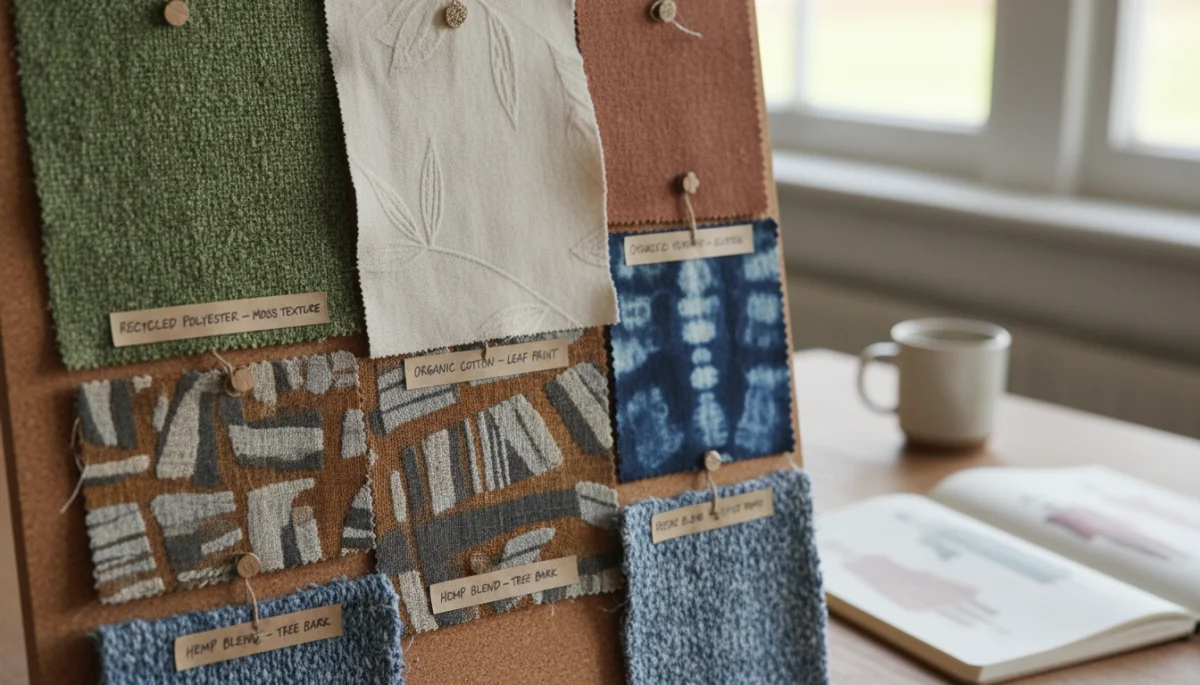
Recycled polyester, derived from plastic bottles and ocean waste, is becoming a mainstream option for durable and easy-to-maintain fabrics. Its versatility allows for a wide range of textures and finishes, making it suitable for various home applications.
Upcycled textiles, which transform discarded fabrics into new products, also contribute to reducing waste and promoting circularity. These materials often carry a unique story, adding character and depth to interior spaces while supporting sustainable practices.
Organic and Natural Fibers as a Premium Choice
Organic cotton, linen, hemp, and jute are increasingly preferred for their natural appeal, breathability, and minimal environmental impact. These fibers are cultivated without harmful pesticides or chemicals, ensuring a healthier home environment.
The demand for these natural options is driving innovation in weaving techniques and finishes, offering luxurious textures and soft, inviting aesthetics. Consumers are willing to invest in these premium materials for their long-term benefits and inherent beauty, influencing Textile Trends 2026 significantly.
Bold Patterns and Artistic Expression in 2026
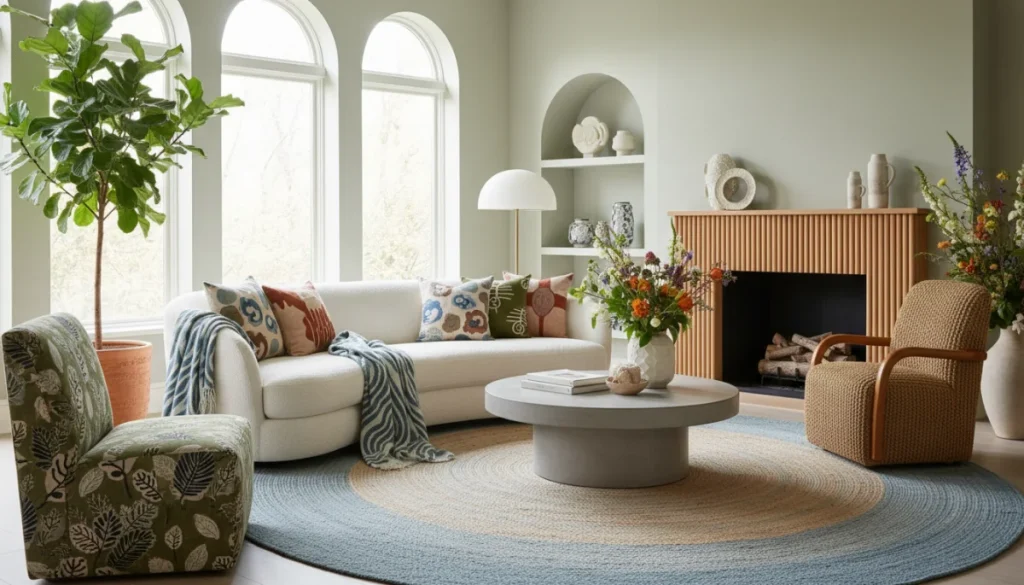
Beyond material composition, the visual language of home textiles is undergoing a vibrant transformation. Designers are embracing bold patterns and artistic expressions that serve as focal points within interior spaces, moving away from minimalist uniformity.
These patterns are not just decorative; they are narrative, reflecting diverse cultural influences, abstract art, and the natural world. The aim is to create dynamic and personalized environments that resonate with individual tastes and stories.
From large-scale botanicals to intricate geometrics, the patterns dominating home decor in 2026 will challenge conventional boundaries. This shift encourages homeowners to experiment with textiles as a form of self-expression.
Nature-Inspired and Biophilic Motifs
Biophilic design, which integrates natural elements into the built environment, continues to be a strong influence on textile patterns. Expect to see abstract interpretations of leaves, flowers, and landscapes, bringing a sense of calm and connection to nature indoors.
These patterns often feature organic lines and earthy color palettes, fostering a serene and restorative atmosphere. The emphasis is on creating spaces that promote well-being and a harmonious relationship with the natural world, a key aspect of Textile Trends 2026.
Geometric and Abstract Designs for Modern Interiors
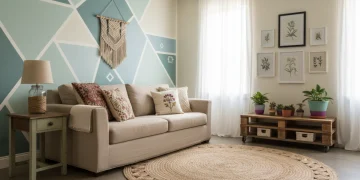
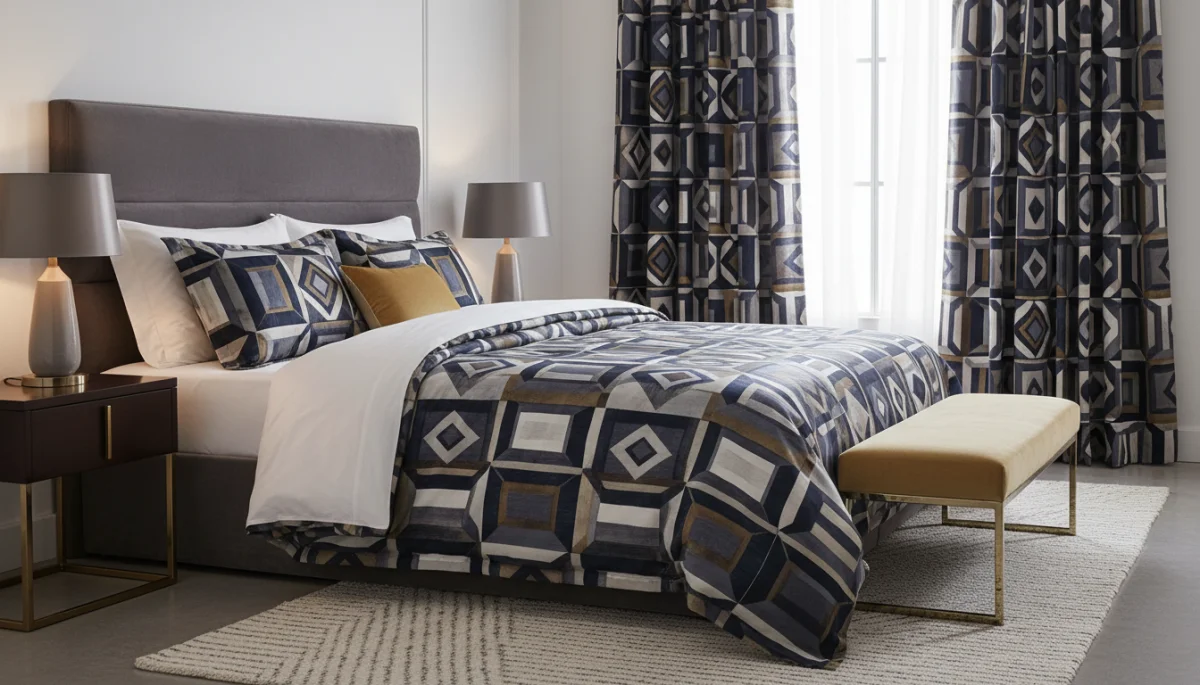
Geometric patterns, ranging from subtle tessellations to bold, interlocking shapes, are making a powerful statement in modern decor. These designs add structure and visual interest, often in contrasting colors or monochromatic schemes.
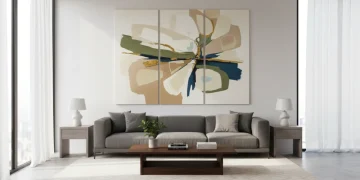
Abstract patterns, on the other hand, offer a more fluid and artistic approach, allowing for greater freedom in interpretation. These can introduce an element of surprise and creativity, turning textiles into pieces of art within the home.
The Allure of Tactile Textures and Sensory Experiences
The sensory experience of textiles is gaining paramount importance, with a strong emphasis on tactile qualities that invite touch. Fabrics are being chosen not just for their appearance but for how they feel against the skin and how they contribute to the overall comfort of a space.
This focus on texture creates a multi-layered aesthetic, adding depth and richness to interiors. It’s about building an environment that appeals to more than just the visual sense, enhancing the lived experience within the home.
From plush velvets to raw, unfinished weaves, the diversity of textures available in 2026 will allow for intricate layering and sophisticated contrasts. This trend underscores the importance of physical interaction with our surroundings.
Boucle and Shearling for Comfort and Style
Boucle, with its characteristic looped yarns, and shearling, known for its soft, woolly texture, are experiencing a resurgence. These materials add an immediate sense of warmth, coziness, and luxury to furniture and accessories.
Their inviting textures make them ideal for creating comfortable and visually appealing seating areas or decorative accents. These fabrics are central to creating inviting and tactile spaces, reflecting key Textile Trends 2026.
Raw and Organic Weaves for Authenticity
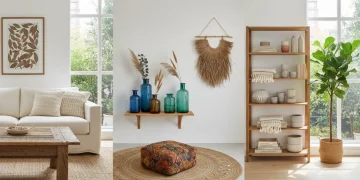
At the other end of the spectrum, raw and organic weaves, such as chunky knits, thick linens, and woven jute, celebrate natural imperfections and authenticity. These textures bring a grounded, earthy feel to interiors, often complementing minimalist or rustic aesthetics.
They offer a sense of honesty and craftsmanship, emphasizing the beauty of natural fibers in their most unrefined state. These materials are also aligned with the broader movement towards sustainable and handcrafted goods.
Color Palettes Reflecting Mood and Environment
The color palettes for 2026 textiles are carefully curated to evoke specific moods and respond to environmental considerations. There is a move towards colors that are both comforting and inspiring, often drawing inspiration from nature and global cultures.
These palettes aim to create harmonious living spaces that support mental well-being and offer a sense of escape or rejuvenation. The choice of color is crucial in setting the tone and atmosphere of a room.
From serene earth tones to vibrant accent hues, the upcoming color trends will offer a wide spectrum for personal expression. Understanding these shifts is key for anyone exploring Textile Trends 2026.
Earthy Neutrals and Calming Tones
A foundation of earthy neutrals – think warm beiges, soft grays, and muted greens – continues to dominate, providing a calming backdrop for interiors. These colors promote relaxation and offer versatility, allowing for easy integration with other design elements.
Cool blues and soft lavenders also contribute to this serene palette, creating restful spaces conducive to peace and tranquility. These tones are particularly effective in bedrooms and living areas.
Vibrant Accents and Rich Jewel Tones
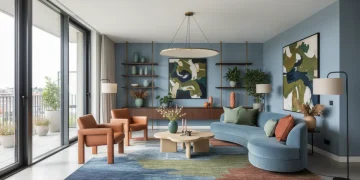
While neutrals provide a base, pops of vibrant color and rich jewel tones are used strategically to add energy and personality. Deep emeralds, sapphire blues, and ruby reds can appear in cushions, throws, or accent furniture, creating dynamic contrasts.
These bolder hues are often inspired by global art and fashion, injecting a sense of luxury and sophistication into home decor. They are carefully balanced with more subdued elements to avoid overwhelming the space, a notable aspect of Textile Trends 2026.
Performance Fabrics and Technological Innovations
The intersection of technology and textiles is leading to the development of performance fabrics that are both functional and aesthetically pleasing. These innovations address practical concerns, offering solutions for durability, easy maintenance, and enhanced comfort.
Such advancements are particularly relevant for busy households and commercial settings, where textiles need to withstand daily wear and tear while retaining their visual appeal. The integration of smart technologies is also beginning to emerge, promising even greater functionality.
These cutting-edge materials are redefining expectations for what home textiles can achieve, blending science with design. The evolution of performance fabrics is a critical component of Textile Trends 2026.
Stain-Resistant and Easy-Care Textiles
Fabrics treated for stain resistance and easy cleaning are highly sought after, especially for families and pet owners. These innovations allow for lighter colors and more luxurious textures to be used in high-traffic areas without constant worry.
Advances in fiber technology mean these treatments are increasingly integrated into the fabric structure, rather than being surface coatings, ensuring long-lasting performance. This enhances the practicality and longevity of home textiles.
Smart Textiles and Integrated Technologies
While still in nascent stages, smart textiles that incorporate features like temperature regulation, light manipulation, or even embedded sensors are on the horizon. These could revolutionize how we interact with our home environments, offering unprecedented levels of comfort and control.
For 2026, expect to see early applications or prototypes of these intelligent fabrics, particularly in high-end or experimental design projects. The potential for these innovations to shape future Textile Trends 2026 is immense.
Global Influences and Cultural Fusion in Textile Design
The interconnectedness of the modern world is profoundly influencing textile design, leading to a rich fusion of global aesthetics and cultural narratives. Designers are drawing inspiration from diverse traditions, art forms, and historical motifs, creating textiles that tell a story.
This cross-cultural exchange results in eclectic and unique patterns that add a layer of sophistication and intrigue to home interiors. It encourages a more inclusive and worldly approach to decor, celebrating craftsmanship from around the globe.
From African geometrics to Asian florals and Scandinavian minimalism, the blend of influences will be a defining characteristic of textile design in 2026. This dynamic interplay enriches the overall aesthetic of contemporary homes, reflecting Textile Trends 2026.
Artisanal Craftsmanship and Handcrafted Aesthetics
There is a growing appreciation for artisanal craftsmanship, with textiles featuring hand-dyed techniques, intricate embroidery, and traditional weaving methods. These elements add a unique, human touch to mass-produced items, emphasizing quality and heritage.
Consumers are increasingly seeking out items that reflect a story and support traditional artisans, valuing the authenticity and individuality these pieces bring. This trend aligns with a broader desire for meaningful and ethically produced goods.
Eclectic Mix of Cultural Motifs
The blending of different cultural motifs allows for the creation of truly unique and personalized spaces. A Moroccan-inspired pattern might be paired with a Japanese Shibori dye technique, or an African print with a Scandinavian-style weave.
This eclectic approach encourages experimentation and creativity, moving away from monolithic design styles towards a more layered and expressive aesthetic. It is a testament to the diverse influences shaping current Textile Trends 2026.
The Role of Digital Printing in Customization
Digital printing technology continues to revolutionize the textile industry, offering unprecedented levels of customization and design freedom. This technology allows for intricate details, vibrant colors, and rapid production of bespoke patterns, making personalized decor more accessible.
For designers and consumers alike, digital printing opens up a world of possibilities, enabling the creation of unique textiles that perfectly match individual visions. It also supports smaller production runs, reducing waste and allowing for greater flexibility in design choices.
This technological advancement is a key driver in the diversification of textile offerings, ensuring that home decor remains fresh and innovative. Digital printing is undeniably a significant factor in shaping Textile Trends 2026.
Personalized Designs and Niche Markets
Digital printing facilitates the creation of highly personalized textiles, from custom family crests to photographic prints on fabric. This caters to a growing demand for unique items that reflect personal identity and preferences.
It also allows niche designers and small businesses to thrive, offering specialized patterns and limited-edition collections that might not be viable with traditional printing methods. This democratizes design, bringing more diverse options to the market.
Efficiency and Reduced Environmental Impact
Beyond customization, digital printing offers environmental benefits by reducing water and dye consumption compared to conventional printing methods. It also minimizes waste by allowing for on-demand production, avoiding overstocking and material wastage.
These efficiencies make digital printing an attractive option for sustainable textile production, aligning with the broader eco-conscious movement in home decor. Its role in the future of Textile Trends 2026 is undeniable.
Future Outlook: Adaptability and Innovation
Looking ahead to 2026, the textile industry for home decor will be characterized by adaptability and continuous innovation. The trends observed are not static; they are evolving in response to global events, technological advancements, and shifting consumer values.
The emphasis will remain on creating spaces that are not only beautiful but also functional, sustainable, and emotionally resonant. This holistic approach to design ensures that textiles play a central role in defining the character and comfort of our homes.
Designers and manufacturers will continue to explore new materials, techniques, and partnerships to push the boundaries of what is possible. The future of Textile Trends for 2026: What Fabrics and Patterns Are Dominating Home Decor (RECENT UPDATES) promises an exciting blend of tradition and forward-thinking creativity.
| Key Trend | Brief Description |
|---|---|
| Sustainable Materials | Increased use of recycled, organic, and biodegradable fibers. |
| Bold Patterns | Nature-inspired, geometric, and abstract designs dominate. |
| Tactile Textures | Emphasis on sensory experiences with boucle, shearling, and raw weaves. |
| Performance Fabrics | Innovation in stain-resistant and easy-care textiles. |
Frequently Asked Questions About 2026 Textile Trends
The primary drivers include increasing consumer demand for sustainability, technological advancements in material science, and a globalized design perspective. These factors collectively push for textiles that are eco-friendly, durable, and culturally rich, significantly impacting Textile Trends 2026.
Sustainability will lead to a widespread adoption of recycled, organic, and upcycled materials. Consumers will prioritize transparent supply chains and ethical production methods, making eco-conscious choices a standard in home decor, a key aspect of Textile Trends 2026.
Bold, expressive patterns will be prominent, including biophilic motifs inspired by nature, intricate geometrics, and abstract designs. These patterns aim to create dynamic and personalized spaces, reflecting a move towards artistic expression in home textiles, influencing Textile Trends 2026.
Yes, performance fabrics are increasingly popular in residential settings due to their durability, stain resistance, and easy maintenance. Technological innovations are making these materials more aesthetically appealing, allowing for practical yet luxurious choices in home decor, aligning with Textile Trends 2026.
Global influences are fostering a rich fusion of cultural aesthetics, leading to eclectic patterns and artisanal craftsmanship. Designers are drawing from diverse traditions to create textiles that tell unique stories, adding sophistication and intrigue to home interiors, a key part of Textile Trends 2026.
Looking Ahead
The evolving landscape of Textile Trends for 2026: What Fabrics and Patterns Are Dominating Home Decor (RECENT UPDATES) indicates a clear trajectory towards sustainability, sensory enrichment, and personalized expression. These shifts are not isolated but interconnected, reflecting broader societal values and technological advancements. As consumers increasingly seek authenticity and environmental responsibility, the textile industry is responding with innovative materials and design approaches. Monitoring these developments will provide crucial insights into how our living spaces will transform, emphasizing both aesthetic appeal and ethical considerations. The future promises a dynamic and thoughtful approach to home textiles.