Smart Home Decor 2026: 3 Techs Redefining Interiors
Advertisements
Latest developments on The Future of Smart Home Decor: 3 Technologies Redefining Interiors in 2026 (RECENT UPDATES), with key facts, verified sources and what readers need to monitor next in Estados Unidos, presented clearly in Inglês (Estados Unidos) (en-US).
The Future of Smart Home Decor: 3 Technologies Redefining Interiors in 2026 (RECENT UPDATES) is shaping today’s agenda with new details released by officials and industry sources. This update prioritizes what changed, why it matters and what to watch next, in a straightforward news format.
The Emergence of AI-Powered Personalization in Home Decor
The integration of Artificial Intelligence (AI) is set to revolutionize how individuals interact with their living spaces, moving beyond simple automation to genuine personalization. This shift allows homes to anticipate needs and preferences, creating environments that dynamically adapt to occupants.
Advertisements
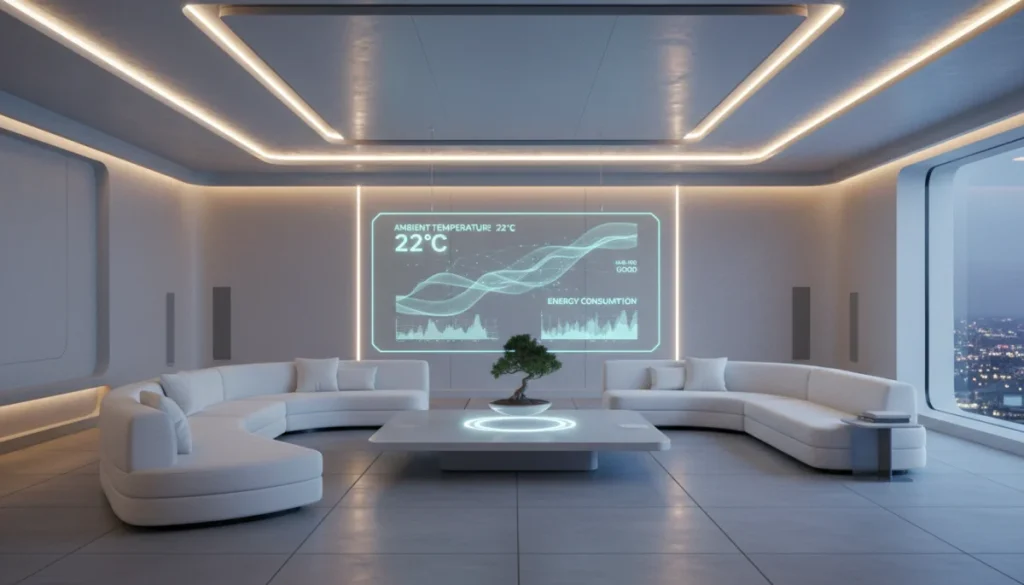
AI algorithms are now capable of analyzing user behavior, environmental factors, and even emotional states to fine-tune decor elements. This goes far beyond pre-set schedules, offering a truly responsive and intuitive living experience.
Expect to see AI become an invisible assistant, seamlessly blending into the background while continuously optimizing comfort and aesthetics. This represents a significant leap forward in making smart homes genuinely intelligent and user-centric.
Advanced Adaptive Lighting Systems Redefining Ambience
Adaptive lighting systems are evolving from mere convenience to sophisticated tools for enhancing well-being and productivity within the home. These systems can dynamically adjust color temperature, intensity, and even light patterns throughout the day.
Beyond energy efficiency, the focus is now on circadian rhythm synchronization and mood enhancement, directly impacting inhabitant health and comfort. This technology will become a cornerstone of Smart Home Decor 2026, influencing daily routines profoundly.
Imagine lighting that brightens subtly as you prepare for work, shifts to a calming warm glow in the evening, and even mimics natural outdoor light to alleviate seasonal affective disorder. These systems are becoming increasingly commonplace.
Circadian Lighting Integration
Circadian lighting systems, which mimic the natural light cycle, are no longer a niche luxury but are becoming standard in high-end smart homes. These systems adjust light intensity and color temperature automatically to align with the body’s natural rhythms, promoting better sleep and increased alertness.
Research continues to demonstrate the profound impact of light on human health, making these adaptive systems a critical component of healthy living environments. The ability to program and customize these cycles offers unprecedented control over personal well-being.
- Improved sleep quality through evening light dimming.
- Enhanced daytime alertness with brighter, cooler light.
- Reduced eye strain by optimizing light for specific tasks.
- Seamless integration with other smart home devices for holistic control.
Dynamic Color and Pattern Control
Beyond simple white light, advanced systems offer full-spectrum color control, allowing homeowners to transform the mood and aesthetic of any room instantly. This capability supports both functional and decorative purposes.
From subtle atmospheric washes to vibrant accent lighting, the possibilities for creative expression are vast. These systems often integrate with entertainment setups, syncing light effects with movies or music for an immersive experience.
- Personalized ambiance for different activities or times of day.
- Thematic lighting for special occasions or entertaining guests.
- Energy-efficient LED technology providing a broad spectrum of colors.
- Intuitive control via voice commands, apps, or integrated sensors.
Sustainable Automation and Biophilic Design Integration
The convergence of sustainable technologies and biophilic design principles is creating healthier, more environmentally conscious living spaces. Automation plays a crucial role in optimizing resource consumption and maintaining indoor air quality.
Smart solutions for energy management, water conservation, and waste reduction are becoming integral to modern home design. This focus on sustainability aligns with a growing consumer demand for eco-friendly living.
Biophilic design, which incorporates natural elements and patterns into interiors, works hand-in-hand with automation to create calming and revitalizing environments. This represents a holistic approach to The Future of Smart Home Decor: 3 Technologies Redefining Interiors in 2026 (RECENT UPDATES).
Smart Energy Management Systems
Advanced energy management systems monitor and control energy usage across all smart devices and appliances, optimizing consumption based on occupancy, weather, and utility rates. This leads to significant savings and a reduced carbon footprint.
These systems can learn household routines and make intelligent decisions about heating, cooling, and lighting, minimizing waste without sacrificing comfort. Integration with renewable energy sources, such as solar panels, further enhances their effectiveness.
- Automated thermostat adjustments based on presence and external conditions.
- Smart appliance scheduling to take advantage of off-peak electricity rates.
- Real-time energy consumption monitoring and reporting.
- Seamless integration with home security and entertainment systems.
Water Conservation Technologies
Smart water systems are designed to detect leaks, monitor usage, and optimize irrigation, addressing a critical aspect of household sustainability. These technologies help prevent costly damage and conserve a precious resource.
From smart showers that track water consumption to automated leak detection sensors, these innovations empower homeowners to manage their water footprint effectively. The data provided by these systems can inform more conscious usage habits.
- Automated leak detection with instant alerts and shut-off capabilities.
- Smart irrigation systems adjusting watering schedules based on soil moisture and weather.
- Real-time water usage tracking for individual fixtures.
- Integration with smart home hubs for unified control and reporting.
The Role of Personalized Digital Displays and Augmented Reality
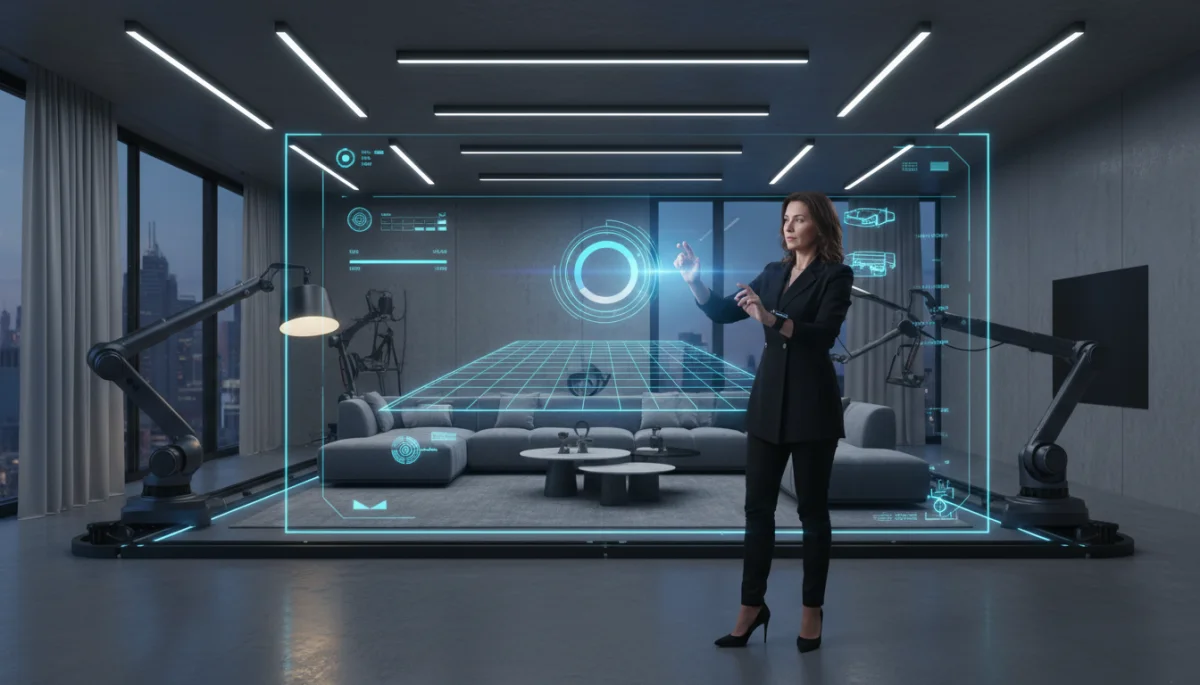
Personalized digital displays and augmented reality (AR) are transforming how decor is experienced and customized within the home. These technologies offer dynamic visual elements that can change with a tap or voice command, replacing static art and traditional decor.
AR tools are also empowering consumers to visualize furniture and decor items in their own spaces before purchase, reducing uncertainty and improving decision-making. This interactive approach is central to Smart Home Decor 2026.
Imagine digital art that shifts with your mood, or virtual windows displaying serene landscapes, all customizable through a simple interface. These innovations bridge the gap between digital content and physical space.
Dynamic Digital Art and Wall Coverings
Digital displays are evolving beyond conventional televisions to become integrated elements of interior design, capable of showcasing dynamic art, personalized messages, or even acting as interactive information hubs. These displays can blend seamlessly into walls or furniture.
High-resolution screens with advanced visual technology offer a limitless canvas for artistic expression, allowing homeowners to curate their visual environment effortlessly. This eliminates the need for physical art rotations and offers unparalleled flexibility.
- Customizable digital art galleries changing with preferences.
- Interactive wall coverings displaying dynamic patterns or information.
- Integration with smart home systems to reflect ambient conditions.
- Energy-efficient displays with low power consumption.
Augmented Reality for Decor Planning
Augmented reality applications are becoming indispensable tools for interior design, allowing users to virtually place furniture, test color schemes, and experiment with layouts in real-time within their own homes. This eliminates guesswork and potential costly mistakes.
AR apps provide accurate dimensions and realistic renderings, giving consumers confidence in their decor choices before making a purchase. This technology is democratizing interior design, making professional-level planning accessible to everyone.
- Visualize furniture in your space before buying, checking scale and fit.
- Experiment with different paint colors and wallpaper patterns instantly.
- Collaborate with designers remotely using shared AR environments.
- Access extensive digital catalogs of decor items from various brands.
Predictive Maintenance and Wellness Integration
Predictive maintenance within smart homes ensures that systems operate efficiently and reliably, minimizing disruptions and extending the lifespan of appliances and infrastructure. This proactive approach uses AI to anticipate potential issues before they escalate.
Coupled with wellness integration, where environmental sensors monitor air quality, sound levels, and even sleep patterns, homes are becoming active participants in occupant health. This holistic view is crucial for The Future of Smart Home Decor: 3 Technologies Redefining Interiors in 2026 (RECENT UPDATES).
AI-Driven Home Diagnostics
AI-driven diagnostic systems continuously monitor the performance of all connected devices, from HVAC units to smart appliances. They can detect anomalies, predict potential failures, and even schedule maintenance automatically, often before issues become noticeable to residents.
This proactive approach not only saves money on costly repairs but also ensures that essential home systems remain operational without interruption. Homeowners receive alerts and reports, keeping them informed about the health of their property.
- Early detection of appliance malfunctions.
- Automated scheduling of preventative maintenance.
- Reduced energy waste from inefficient systems.
- Longer lifespan for home infrastructure and devices.
Environmental Wellness Monitoring
Integrated sensors track various environmental factors that impact well-being, such as air quality, temperature, humidity, and noise levels. These systems provide real-time data and can trigger automated adjustments to maintain optimal indoor conditions.
Beyond comfort, these wellness systems contribute to a healthier living environment by mitigating allergens, pollutants, and other factors that can negatively affect health. This proactive health management is a key aspect of Smart Home Decor 2026.
- Monitoring and filtration of indoor air pollutants.
- Automated humidity control to prevent mold growth.
- Soundscape management for improved concentration or relaxation.
- Personalized climate control based on individual preferences.
The Evolution of Smart Furniture and Modular Design
Smart furniture is moving beyond simple charging ports to fully integrated, adaptive pieces that enhance functionality and aesthetic appeal. This evolution includes modular designs that can reconfigure spaces dynamically.
These innovations address the growing need for flexible living environments, particularly in urban settings where space is at a premium. Smart furniture is a critical element in realizing The Future of Smart Home Decor: 3 Technologies Redefining Interiors in 2026 (RECENT UPDATES).
Adaptive and Transformable Furniture
Furniture pieces that can change shape, size, or function based on user needs are becoming increasingly sophisticated. This allows a single room to serve multiple purposes throughout the day, maximizing spatial efficiency.
From beds that retract into walls to tables that expand or contract, these intelligent designs offer unparalleled flexibility. They often integrate smart technology for automated adjustments and seamless operation.
- Sofa systems that reconfigure into different seating arrangements.
- Desks that adjust height and tilt for ergonomic comfort.
- Storage solutions that appear or disappear on command.
- Integrated charging and connectivity features within furniture.
Integrated Smart Surfaces
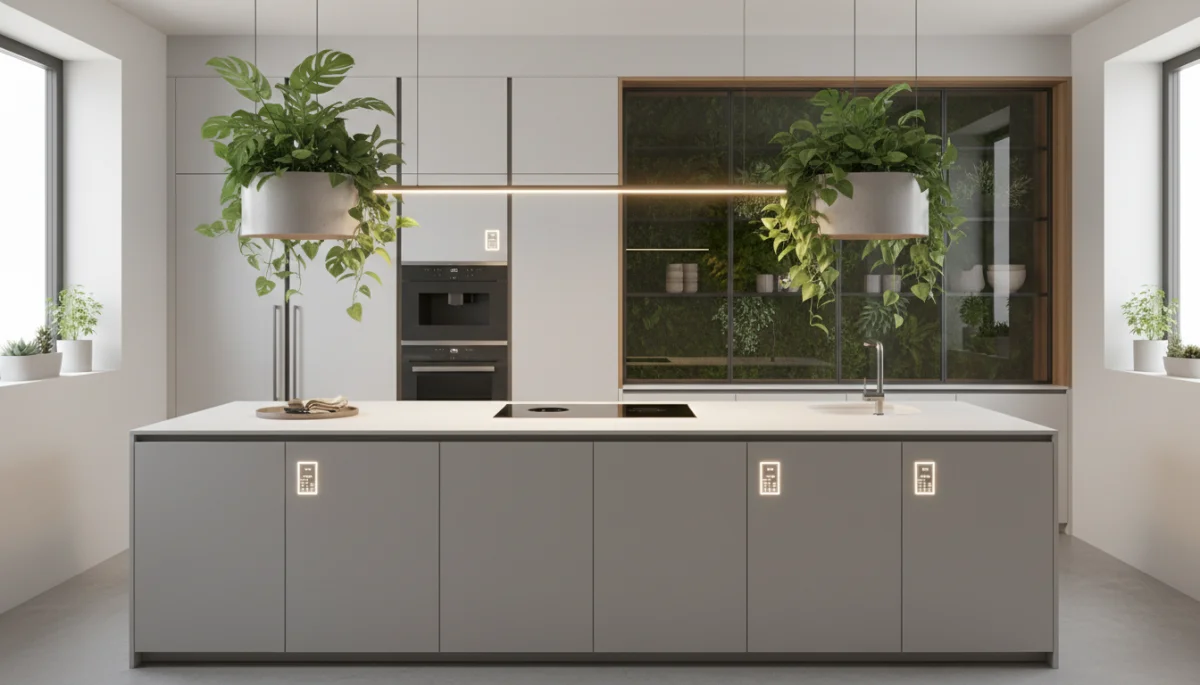
Surfaces within the home, such as countertops and walls, are becoming interactive touchpoints, integrating controls for lighting, climate, and entertainment. These surfaces offer a minimalist aesthetic while providing powerful functionality.
These smart surfaces can display information, act as wireless charging pads, or even serve as hidden speakers. Their seamless integration maintains clean lines and uncluttered spaces, a hallmark of modern Smart Home Decor 2026.
- Kitchen countertops with integrated induction cooking zones.
- Bathroom mirrors displaying weather, news, or health metrics.
- Walls that double as interactive projection screens.
- Touch-sensitive controls embedded directly into furniture.
Ethical Considerations and Data Privacy in Smart Homes
As smart home technology becomes more pervasive, ethical considerations surrounding data privacy and security are paramount. Consumers are increasingly aware of the information collected by their devices and its potential uses.
Manufacturers and service providers are responding with enhanced security protocols and transparent data policies, aiming to build trust with users. Addressing these concerns is vital for the widespread adoption of The Future of Smart Home Decor: 3 Technologies Redefining Interiors in 2026 (RECENT UPDATES).
Data Security and Encryption Protocols
Robust encryption and secure network architectures are essential to protect personal data generated by smart home devices. Continuous updates and proactive threat detection are necessary to safeguard user privacy against evolving cyber threats.
Consumers are encouraged to use strong passwords, enable multi-factor authentication, and choose reputable brands with a proven track record in data security. Awareness and education play a key role in maintaining a secure smart home ecosystem.
- End-to-end encryption for communication between devices and cloud services.
- Regular security updates and patches from manufacturers.
- User control over data sharing settings and privacy preferences.
- Compliance with international data protection regulations.
Transparent Data Usage Policies
Clear and concise data usage policies are crucial for informing consumers about what data is collected, how it is used, and with whom it might be shared. Transparency builds confidence and empowers users to make informed decisions about their smart home deployments.
Companies are striving to simplify their privacy policies, making them more accessible and understandable to the average user. This commitment to transparency is a key differentiator in a competitive market for Smart Home Decor 2026.
- Easy-to-understand privacy statements and terms of service.
- Opt-in/opt-out options for data collection and personalization features.
- Regular audits and independent certifications of data handling practices.
- Educational resources for users on managing their digital footprint.
| Key Technology | Impact on Decor |
|---|---|
| AI Personalization | Creates adaptive, intuitive living spaces based on user behavior. |
| Adaptive Lighting | Optimizes ambiance and well-being through dynamic light adjustments. |
| Sustainable Automation | Integrates eco-friendly practices with biophilic design for healthier homes. |
| Smart Furniture/AR | Offers flexible, interactive spaces and virtual design visualization. |
Frequently Asked Questions About Smart Home Decor in 2026
The main drivers include growing consumer demand for personalized experiences, increased focus on well-being and sustainability, and advancements in AI and sensor technology. These factors are converging to create more intuitive and responsive living environments, pushing the boundaries of Smart Home Decor 2026.
AI will seamlessly integrate into daily routines, learning preferences for lighting, temperature, and entertainment. It will anticipate needs, automate tasks, and provide personalized recommendations for decor adjustments, making homes more proactive and less reliant on manual input. This enhances the core promise of Smart Home Decor 2026.
Yes, sustainable smart home technologies are becoming increasingly accessible due to economies of scale and technological advancements. Innovations in energy management, water conservation, and biophilic design are now available at various price points, making eco-conscious living more attainable for a broader audience, which is a key trend for Smart Home Decor 2026.
Augmented reality (AR) significantly enhances the decor planning process by allowing users to visualize furniture and design elements in their actual spaces before purchase. This reduces uncertainty, improves decision-making, and offers a highly interactive way to experiment with different styles and layouts, defining a new era for Smart Home Decor 2026.
Key challenges include ensuring data privacy and security, addressing interoperability issues between different devices and platforms, and managing the initial cost of implementation. Educating consumers on the benefits and proper use of these advanced systems is also critical for widespread adoption of Smart Home Decor 2026.
Looking Ahead: The Integrated Smart Home Ecosystem
The trajectory for The Future of Smart Home Decor: 3 Technologies Redefining Interiors in 2026 (RECENT UPDATES) points towards an increasingly integrated and intuitive living experience. As AI, adaptive lighting, and sustainable automation mature, homes will become dynamic ecosystems. These systems will not only respond to occupants but also anticipate their needs, fostering environments that are both highly functional and deeply personalized. The emphasis will remain on seamless integration and enhanced user well-being, driving continuous innovation in the years to come.