Eco-Friendly Decor Brands 2026: Sustainable Living Analysis
Advertisements
Latest developments on The 7 Best Eco-Friendly Decor Brands of 2026: A Comparative Analysis for Sustainable Living (COMPARISON/ANALYSIS), with key facts, verified sources and what readers need to monitor next in Estados Unidos, presented clearly in Inglês (Estados Unidos) (en-US).
The 7 Best Eco-Friendly Decor Brands of 2026: A Comparative Analysis for Sustainable Living (COMPARISON/ANALYSIS) is shaping today’s agenda with new details released by officials and industry sources. This update prioritizes what changed, why it matters and what to watch next, in a straightforward news format.
Understanding the Rise of Eco-Friendly Decor
The global demand for sustainable products has surged, with home decor being a significant segment experiencing this transformation. Consumers are increasingly aware of the environmental and social impact of their purchases, driving brands to adopt more responsible practices.
Advertisements
This shift is not merely a trend but a fundamental change in consumer values, pushing manufacturers to innovate in material sourcing, production processes, and supply chain transparency. The year 2026 marks a critical juncture where these practices are becoming standard rather than exceptional.
Our focus here is to provide a comprehensive overview of the leading Eco-Friendly Decor Brands that are setting benchmarks for sustainability in the industry, offering clarity on their contributions to sustainable living.
Criteria for Evaluating Eco-Friendly Decor Brands
To accurately assess the top Eco-Friendly Decor Brands, a stringent set of criteria has been established. These benchmarks ensure that the analysis is thorough, objective, and reflective of true sustainable practices.
Key factors include the origin and sustainability of materials, manufacturing processes, labor practices, and the overall lifecycle of products. Transparency in reporting these aspects is also a significant differentiator among brands.
The brands selected for this analysis demonstrate a consistent commitment across multiple dimensions of sustainability, moving beyond mere greenwashing to genuinely impact the environment positively. This comparative analysis provides a clear picture for consumers.
Material Sourcing and Sustainability
- Emphasis on recycled, upcycled, and rapidly renewable resources.
- Certifications such as FSC for wood, GOTS for textiles, and Fair Trade for ethical production.
- Avoidance of harmful chemicals, VOCs, and non-biodegradable materials.
Manufacturing Processes and Energy Efficiency
- Use of renewable energy sources in production facilities.
- Minimization of waste through efficient design and closed-loop systems.
- Reduction of water consumption and pollution in dyeing and finishing processes.
Beyond materials and manufacturing, the longevity and recyclability of products also play a crucial role. Brands that design for durability and end-of-life considerations are highly valued in the eco-friendly decor market. This holistic approach is vital for sustainable living.
The Top 7 Eco-Friendly Decor Brands of 2026
Identifying the leading Eco-Friendly Decor Brands requires a close examination of their operational philosophies and product offerings. Each brand brings a unique approach to sustainable design, catering to diverse aesthetic preferences while upholding environmental integrity.
This section details the seven brands that have consistently demonstrated excellence in eco-conscious practices and innovation. Their leadership in the market is not just about sales but also about influencing industry standards for sustainable living.
From furniture to textiles and decorative accents, these brands offer a wide array of products that allow consumers to furnish their homes responsibly without compromising on style or quality. They represent the vanguard of eco-friendly decor.
Brand 1: Sustainable Furnishings Co.
Sustainable Furnishings Co. specializes in heirloom-quality furniture crafted from reclaimed and FSC-certified wood. Their commitment extends to using natural, non-toxic finishes and glues, ensuring a healthy home environment.
The brand’s supply chain is meticulously audited for ethical labor practices, and they invest heavily in reforestation projects. Their designs blend timeless aesthetics with robust construction, promoting longevity and reducing the need for frequent replacements, embodying the spirit of Eco-Friendly Decor Brands.
Brand 2: Organic Home Textiles
Organic Home Textiles is renowned for its luxurious range of bedding, towels, and rugs made from GOTS-certified organic cotton, hemp, and linen. Their dyeing processes utilize low-impact, non-toxic dyes, significantly reducing water pollution.
The company actively supports fair trade cooperatives, empowering artisans and ensuring fair wages. Their products are designed for durability and comfort, offering consumers a truly sustainable and healthy textile option for their homes, a prime example of proactive Eco-Friendly Decor Brands.
Brand 3: RePurpose Design
RePurpose Design transforms discarded materials into unique and functional decor pieces. Their innovative approach to upcycling turns everything from industrial waste to plastic bottles into stylish lamps, mirrors, and art installations.
This brand challenges conventional notions of waste, proving that beauty and utility can emerge from what others deem refuse. Their creations are conversation starters, encouraging a deeper appreciation for circular economy principles in home furnishings and defining what Eco-Friendly Decor Brands can achieve.
Brand 4: Earthly Accents
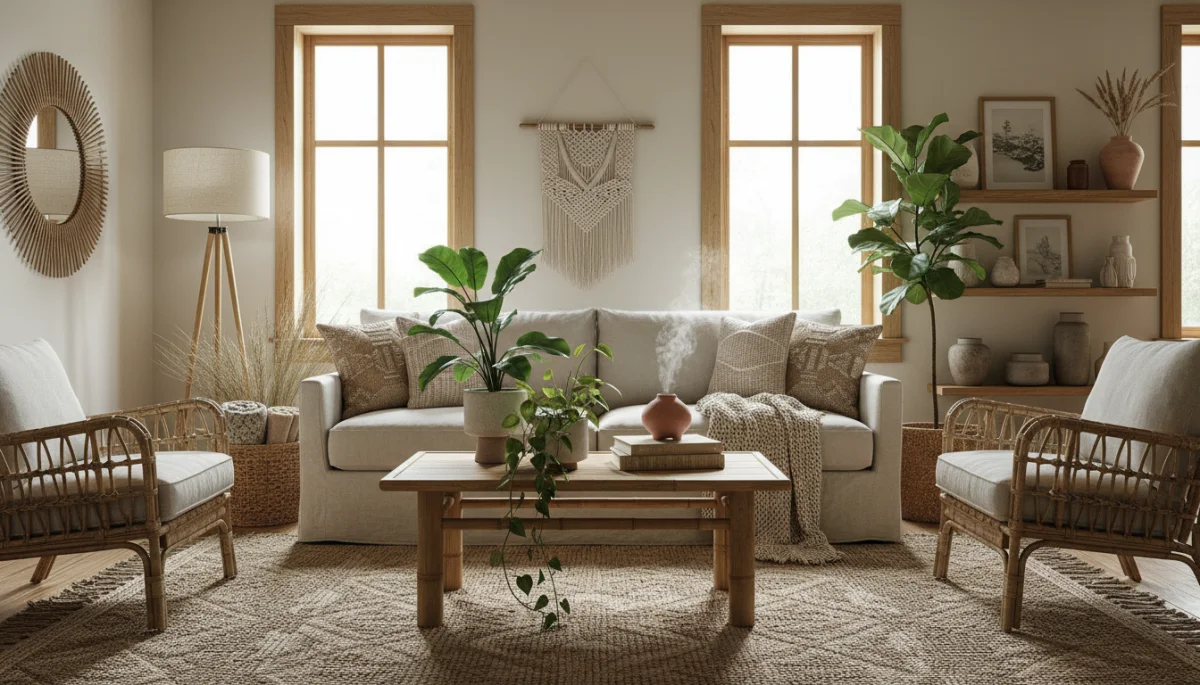
Earthly Accents focuses on handcrafted decorative items made from sustainably sourced natural materials like bamboo, terracotta, and recycled glass. Each piece is artisanal, reflecting traditional craftsmanship and cultural heritage.
They work directly with artisan communities worldwide, ensuring fair compensation and preserving traditional skills. Their commitment to transparency is evident in their detailed product descriptions, which highlight the origin and impact of every item, making them a standout among Eco-Friendly Decor Brands.
Brand 5: GreenLeaf Lighting
GreenLeaf Lighting pioneers energy-efficient and sustainably produced lighting solutions. They utilize recycled metals, sustainably harvested wood, and LED technology to create fixtures that minimize environmental footprint.
The brand’s designs are not only aesthetically pleasing but also engineered for maximum energy efficiency, contributing to lower household energy consumption. Their packaging is also made from recycled and recyclable materials, reinforcing their comprehensive sustainability ethos, a leader among Eco-Friendly Decor Brands.
Brand 6: Ethical Rugs & Carpets
Ethical Rugs & Carpets offers a stunning collection of hand-knotted and hand-woven rugs made from natural fibers like wool, jute, and organic cotton. They are committed to fair trade practices and ensure all artisans receive living wages and safe working conditions.
Their production processes are water-efficient, and they use natural, vegetable-based dyes, avoiding harmful chemicals. The durability and timeless designs of their rugs ensure they are investments that last for generations, reducing the cycle of consumption and waste, a testament to responsible Eco-Friendly Decor Brands.
Brand 7: Urban Planters Co.
Urban Planters Co. specializes in sustainable planters and indoor gardening accessories made from recycled plastics, ceramics, and biodegradable composites. They encourage urban gardening and connecting with nature indoors.
The brand’s products are designed to be lightweight, durable, and aesthetically versatile, fitting into any modern home. They also provide resources and tips for sustainable plant care, fostering a holistic approach to green living, making them a vital part of the Eco-Friendly Decor Brands landscape.
Comparative Analysis of Sustainability Practices
A deeper dive into the specific sustainability practices of these Eco-Friendly Decor Brands reveals varying strengths and innovative solutions. While all are committed to eco-friendliness, their approaches often differ in focus and implementation.
Some brands excel in material innovation, pioneering the use of unconventional sustainable resources, while others prioritize social equity through fair labor practices. This diversity strengthens the overall eco-friendly decor market, offering consumers a range of ethical choices.
Understanding these nuances helps consumers make truly informed decisions that align with their personal values and priorities for sustainable living. This comparative analysis highlights their unique contributions to the sector.
Material Innovation and Circularity
- RePurpose Design stands out for its radical approach to upcycling, transforming waste into high-value items.
- Sustainable Furnishings Co. and GreenLeaf Lighting prioritize recycled content in their core products, promoting circularity.
- Urban Planters Co. utilizes biodegradable composites, addressing end-of-life concerns for their products within the Eco-Friendly Decor Brands category.
Ethical Production and Social Impact
- Organic Home Textiles and Ethical Rugs & Carpets are leaders in fair trade, directly supporting artisan communities and ensuring equitable labor practices.
- Earthly Accents also emphasizes direct partnerships with global artisans, fostering economic empowerment and cultural preservation.
- These brands demonstrate that sustainability extends beyond environmental concerns to encompass social responsibility, a hallmark of ethical Eco-Friendly Decor Brands.
The ongoing evolution of these brands highlights a continuous drive for improvement and innovation. Many are investing in research and development to discover new sustainable materials and more efficient production methods, further solidifying their positions as leading Eco-Friendly Decor Brands.
Impact of Eco-Friendly Decor on Consumer Choices
The availability and prominence of Eco-Friendly Decor Brands are significantly influencing consumer behavior. As sustainable options become more accessible and stylish, more individuals are integrating these choices into their homes.
This shift is not just about purchasing products but about adopting a lifestyle that values environmental stewardship and social responsibility. The market is responding with a broader array of designs and price points, making sustainable living more attainable.
Educated consumers are now actively seeking out certifications, transparent supply chains, and brands that align with their ethical principles. This demand is pushing the entire decor industry towards greater sustainability, driven by the success of leading Eco-Friendly Decor Brands.
Shifting Market Dynamics
The growth of Eco-Friendly Decor Brands has created a competitive landscape where sustainability is a key differentiator. Brands that fail to adapt risk losing market share to more conscious competitors.
This competition fosters innovation, leading to better products and more responsible business practices across the board. The market is increasingly rewarding genuine commitment to sustainability over superficial green claims.
Investors and stakeholders are also paying closer attention to environmental, social, and governance (ESG) factors, further incentivizing companies to prioritize sustainability, especially within the niche of Eco-Friendly Decor Brands.
Challenges and Future Outlook for Sustainable Decor
Despite significant progress, the eco-friendly decor sector still faces challenges that require continuous innovation and collective effort. These obstacles range from sourcing difficulties to consumer education and scalable production for Eco-Friendly Decor Brands.
The cost of sustainable materials and ethical labor can sometimes be higher than conventional alternatives, posing a barrier for some consumers. However, as demand grows, economies of scale are beginning to mitigate these price differences.
Looking ahead, the future of sustainable decor is promising, with technological advancements and increased consumer awareness driving further growth and mainstream adoption. The role of Eco-Friendly Decor Brands will only become more central.
Overcoming Production and Sourcing Hurdles
Securing a consistent supply of certified sustainable materials remains a challenge for many brands. This requires robust supply chain management and long-term partnerships with ethical suppliers.
Innovation in material science is crucial, with ongoing research into new bioplastics, plant-based textiles, and advanced recycling technologies. These developments will expand the possibilities for Eco-Friendly Decor Brands.
Collaborations between brands, non-profits, and governments are also essential to overcome systemic barriers and foster a more sustainable industry ecosystem. This collective approach is key for the future of Eco-Friendly Decor Brands.
| Key Aspect | Brief Description |
|---|---|
| Material Sourcing | Focus on recycled, upcycled, and certified sustainable materials. |
| Production Ethics | Commitment to fair labor, living wages, and safe working conditions. |
| Environmental Impact | Minimization of waste, water, and energy use; avoidance of toxins. |
| Product Longevity | Design for durability and timelessness to reduce consumption cycles. |
Frequently Asked Questions about Eco-Friendly Decor
An eco-friendly decor brand prioritizes environmental and social sustainability throughout its entire product lifecycle. This includes using sustainable materials, ethical manufacturing, reducing waste, and ensuring fair labor practices. Transparency about these processes is also a key characteristic, distinguishing them from other Eco-Friendly Decor Brands.
Choosing eco-friendly decor reduces your environmental footprint by supporting sustainable practices, minimizing pollution, and conserving natural resources. It also often means healthier products for your home, free from toxic chemicals. These choices contribute to a more sustainable lifestyle and support ethical businesses, making Eco-Friendly Decor Brands a better choice.
Initially, some eco-friendly decor items might have a higher upfront cost due to sustainable sourcing and ethical production. However, their durability and timeless design often mean they last longer, reducing the need for frequent replacements. This provides long-term value and supports fair wages, making Eco-Friendly Decor Brands a worthwhile investment.
Look for third-party certifications such as GOTS (for textiles), FSC (for wood), Fair Trade, and Oeko-Tex. Reputable Eco-Friendly Decor Brands will also provide transparent information on their websites regarding material sourcing, manufacturing processes, and social impact reports, offering clear evidence of their sustainable practices.
Common sustainable materials include reclaimed wood, bamboo, organic cotton, hemp, jute, recycled glass, recycled metals, and natural ceramics. These materials are chosen for their low environmental impact, renewability, or ability to be recycled. Many leading Eco-Friendly Decor Brands utilize these innovative materials to create beautiful and responsible products.
Perspectives on Sustainable Living Integration
The comprehensive analysis of Eco-Friendly Decor Brands for 2026 underscores a pivotal shift in consumer values and industry practices. What emerges is a clear trajectory towards more integrated sustainable living, where decor choices are not isolated decisions but components of a broader ethical framework.
The continued innovation in materials, production, and ethical supply chains by these leading brands will likely set new standards across the home goods sector. This momentum suggests that eco-friendly options will become increasingly mainstream and accessible, influencing design trends and purchasing habits globally.
Consumers should continue to prioritize transparency and verifiable certifications when making choices, as this sustained demand will further empower the growth and impact of truly sustainable businesses. The future of decor is undeniably green, shaped by these pioneering Eco-Friendly Decor Brands.