2026 Guide to Sustainable Furniture: Durability & Design Comparison
Advertisements
The 2026 Guide to Sustainable Furniture: Comparing Durability and Design from 5 Leading Brands (COMPARISON/ANALYSIS) offers critical insights for eco-conscious consumers. This report examines the latest innovations, material science, and aesthetic trends shaping the sustainable furniture market in the United States. We provide an objective overview of how top brands balance environmental responsibility with long-lasting quality and appealing aesthetics.
The 2026 Guide to Sustainable Furniture: Comparing Durability and Design from 5 Leading Brands (COMPARISON/ANALYSIS) is shaping today’s agenda with new details released by officials and industry sources. This update prioritizes what changed, why it matters and what to watch next, in a straightforward news format. The demand for environmentally responsible home furnishings continues to surge, driven by heightened consumer awareness and a global push towards sustainable living. This guide aims to equip buyers with the knowledge needed to make informed decisions.
As the market evolves, understanding the nuances of sustainable materials, ethical production processes, and product longevity becomes paramount. Our analysis focuses on brands that not only claim sustainability but demonstrate it through verifiable practices and durable products. This ensures that investments in sustainable furniture contribute positively to both individual homes and the planet.
Advertisements
We delve into key aspects such as material sourcing, manufacturing transparency, environmental certifications, and the overall design philosophy that defines each brand. The goal is to provide a comprehensive resource that transcends mere aesthetics, offering a deep dive into the true sustainability credentials of leading furniture manufacturers.
Understanding Sustainable Furniture in 2026
The concept of sustainable furniture in 2026 extends beyond simply using recycled materials; it encompasses the entire lifecycle of a product, from raw material extraction to end-of-life disposal. Consumers are increasingly scrutinizing brands for their commitment to circular economy principles, seeking items that are built to last and can be recycled or repurposed. This holistic approach is central to the 2026 Guide to Sustainable Furniture.
Key considerations include the energy efficiency of manufacturing processes, the reduction of carbon footprints, and fair labor practices throughout the supply chain. Brands that excel in these areas are setting new industry standards, demonstrating that environmental stewardship and business success can go hand-in-hand. This guide highlights those innovators.
Furthermore, the design philosophy behind sustainable furniture now prioritizes timelessness and adaptability, discouraging fast-furniture trends that contribute to waste. Pieces are designed to integrate seamlessly into various decor styles, ensuring their relevance and desirability for decades. This focus on enduring design is a cornerstone of the 2026 Guide to Sustainable Furniture.
Criteria for Evaluating Durability and Design
Evaluating durability in sustainable furniture involves assessing the quality of materials, construction methods, and the resilience of finishes. A truly durable piece minimizes the need for frequent replacement, thereby reducing resource consumption and waste. Our 2026 Guide to Sustainable Furniture places a strong emphasis on these structural merits.
Design, on the other hand, is judged not only by aesthetic appeal but also by its functionality, ergonomic considerations, and ability to remain relevant over time. Sustainable design often incorporates modularity and repairability, further extending product life. This thoughtful approach to design is crucial for the 2026 Guide to Sustainable Furniture.
Material Sourcing and Quality
The origin and quality of materials are paramount. Brands are evaluated on their use of certified wood (FSC), recycled metals, organic textiles, and innovative bio-based plastics. The strength and integrity of these materials directly impact the furniture’s lifespan, ensuring it can withstand daily use without significant wear. Transparency in sourcing is a non-negotiable aspect.
- Certified sustainable wood (FSC, PEFC)
- Recycled and upcycled materials
- Organic and natural fibers (cotton, linen, hemp)
- Low-VOC finishes and adhesives
Construction Techniques and Craftsmanship
Superior craftsmanship and robust construction techniques differentiate truly durable furniture. This includes features like mortise and tenon joints, dovetail drawers, and reinforced frames. Attention to detail in assembly and finishing ensures structural integrity and longevity. The best brands often marry traditional methods with modern innovation to achieve this balance.
Brand Spotlight: Eco-Chic Furnishings
Eco-Chic Furnishings has emerged as a frontrunner in the sustainable furniture market, celebrated for its exquisite blend of modern design and unparalleled commitment to environmental responsibility. Their philosophy centers on creating pieces that are not only beautiful but also have a minimal ecological footprint. This brand is a key contender in the 2026 Guide to Sustainable Furniture.
The brand meticulously sources materials, utilizing reclaimed wood, recycled steel, and organic cotton for their diverse range of products. Each item is crafted with an emphasis on longevity, ensuring that customers invest in furniture that will last for generations. Their production facilities also operate on renewable energy, further solidifying their green credentials.
Design-wise, Eco-Chic Furnishings offers a sophisticated aesthetic that appeals to discerning buyers looking for timeless pieces. Their collections often feature clean lines, natural textures, and versatile forms that integrate seamlessly into various interior styles. This harmonious blend of sustainability and style makes them a standout in the 2026 Guide to Sustainable Furniture.
Durability Features of Eco-Chic Furnishings
Eco-Chic Furnishings prioritizes durability through robust construction and high-quality materials. Their wooden pieces feature solid timber construction with traditional joinery, while upholstery uses tightly woven organic fabrics known for their resistance to wear and tear. Reinforced frames and high-density foam in seating ensure structural integrity and comfort over extended periods.
- Solid reclaimed wood construction
- Recycled steel frames with rust-resistant coatings
- Organic cotton and linen upholstery
- Hand-finished surfaces for enhanced protection
Design Philosophy of Eco-Chic Furnishings
The design ethos of Eco-Chic Furnishings is rooted in minimalist elegance and functional artistry. They favor neutral palettes, allowing the natural beauty of the materials to shine through. Their designs are inherently versatile, designed to evolve with changing tastes and interior trends, thus promoting a longer product lifespan and reducing the need for replacements. Their offerings are a prime example for the 2026 Guide to Sustainable Furniture.
Brand Spotlight: TerraForm Designs
TerraForm Designs distinguishes itself with an innovative approach to sustainable furniture, focusing heavily on circular economy principles and cutting-edge material science. Their products often feature unique compositions of recycled plastics, bamboo composites, and other rapidly renewable resources. This forward-thinking brand is a significant entry in the 2026 Guide to Sustainable Furniture.
The brand invests heavily in research and development to discover and implement new eco-friendly materials that do not compromise on strength or aesthetic appeal. Their manufacturing processes are designed to minimize waste and energy consumption, often employing closed-loop systems to recycle production scraps. This commitment to innovation is a hallmark of TerraForm Designs.
In terms of design, TerraForm Designs offers a distinctly contemporary and often avant-garde aesthetic. Their pieces are characterized by bold forms, unexpected textures, and a playful use of color, appealing to consumers who seek unique, statement-making furniture. Their contribution to the 2026 Guide to Sustainable Furniture showcases the future of eco-conscious design.
Durability Innovations at TerraForm Designs
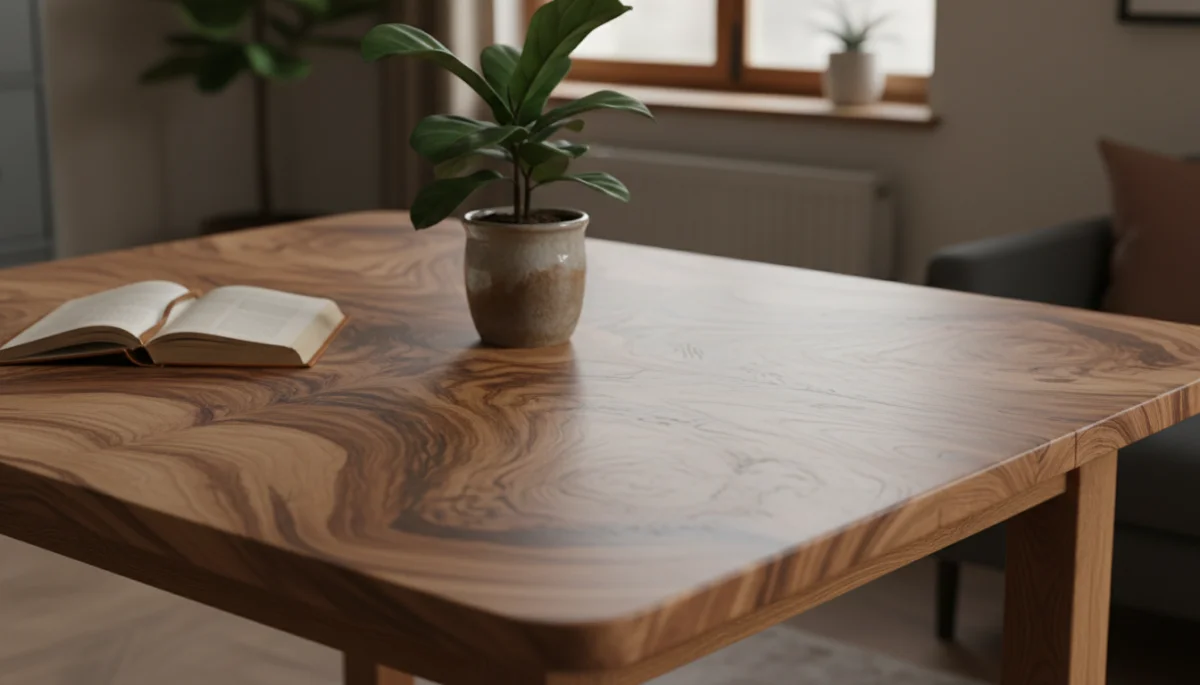
TerraForm Designs leverages advanced material engineering to create exceptionally durable products. Their recycled plastic furniture is UV-resistant and impervious to moisture, making it ideal for both indoor and outdoor use. Bamboo composites are engineered for superior strength-to-weight ratios, offering robust yet lightweight solutions. Each piece undergoes rigorous testing to ensure it meets high standards for longevity, a critical aspect for the 2026 Guide to Sustainable Furniture.
- Recycled plastic with enhanced UV protection
- High-density bamboo composite structures
- Modular designs for easy repair and replacement
- Water and stain-resistant finishes
Design Aesthetic of TerraForm Designs
The design aesthetic of TerraForm Designs is characterized by its modern, sculptural quality. They often incorporate organic shapes and fluid lines, reflecting their connection to nature despite using engineered materials. Their pieces are designed to be focal points, blending artistic expression with practical utility. This unique blend of form and function makes them a noteworthy brand in the 2026 Guide to Sustainable Furniture.
Brand Spotlight: GreenLeaf Interiors
GreenLeaf Interiors has carved a niche for itself by specializing in artisan-crafted sustainable furniture, emphasizing traditional techniques and locally sourced materials. Their commitment to supporting regional economies and preserving artisanal skills sets them apart in the competitive market. This focus on heritage and community makes them a unique entry in the 2026 Guide to Sustainable Furniture.
The brand partners with small-scale workshops and independent craftspeople, ensuring fair wages and ethical working conditions. Materials are often sourced from within a close radius of their production sites, minimizing transportation costs and carbon emissions. This localized approach contributes significantly to their overall sustainability profile.
Design-wise, GreenLeaf Interiors offers a rustic yet refined aesthetic, with pieces that exude warmth and character. Their furniture celebrates the natural imperfections and unique qualities of wood and other organic materials, creating a sense of authenticity. Their inclusion in the 2026 Guide to Sustainable Furniture highlights the value of handcrafted, sustainable pieces.
Brand Spotlight: Urban Eco Furniture
Urban Eco Furniture targets the urban dwelling consumer, offering compact, multi-functional, and highly sustainable pieces designed for smaller living spaces. Their innovative solutions address the challenges of modern city life while maintaining a strong commitment to environmental principles. This brand is an essential part of the 2026 Guide to Sustainable Furniture for urbanites.
Their product range includes convertible sofas, extensible tables, and storage solutions made from recycled metals, sustainably harvested woods, and durable recycled fabrics. The brand emphasizes efficiency in both design and production, ensuring minimal material waste and a reduced environmental impact. This efficiency is key to their sustainable model.
The design aesthetic of Urban Eco Furniture is sleek, contemporary, and highly practical. They favor clean lines, light colors, and smart engineering to maximize space utility without sacrificing style. Their pieces are designed to be adaptable and long-lasting, making them ideal for dynamic urban environments. This brand exemplifies smart design in the 2026 Guide to Sustainable Furniture.

Durability in Urban Eco Furniture
Despite their compact nature, Urban Eco Furniture pieces are built for durability to withstand the rigors of frequent use in active urban homes. Reinforced joints, high-quality hardware, and scratch-resistant finishes are standard. Their modular designs also allow for easy replacement of individual components, extending the overall life of the furniture, a crucial aspect for the 2026 Guide to Sustainable Furniture.
- Robust metal frames for stability
- Scratch-resistant and easy-to-clean surfaces
- High-quality, durable upholstery fabrics
- Modular components for repairability
Design Principles of Urban Eco Furniture
Urban Eco Furniture’s design principles revolve around maximizing utility and aesthetic appeal in limited spaces. They focus on versatile pieces that can serve multiple functions, like beds with integrated storage or tables that expand to accommodate guests. The aesthetic is modern and uncluttered, promoting a sense of calm and order in bustling city environments. Their approach is a highlight in the 2026 Guide to Sustainable Furniture.
Brand Spotlight: Reclaim & Renew
Reclaim & Renew stands out for its deep commitment to upcycling and repurposing materials, transforming discarded items into unique and functional furniture pieces. Their philosophy directly tackles waste reduction, giving new life to materials that would otherwise end up in landfills. This brand offers a distinct perspective within the 2026 Guide to Sustainable Furniture.
The brand meticulously sources materials from demolition sites, old factories, and other industrial sources, often integrating historical elements into their designs. Each piece tells a story, carrying the patina and character of its previous life. This approach not only conserves resources but also results in truly one-of-a-kind furniture.
Design-wise, Reclaim & Renew embraces an industrial-chic aesthetic, blending raw materials with refined craftsmanship. Their pieces often feature a juxtaposition of textures and finishes, celebrating the beauty of imperfection and the narrative embedded within each item. Their unique contribution to the 2026 Guide to Sustainable Furniture is their emphasis on narrative and history.
The Future of Sustainable Furniture: Trends for 2026 and Beyond
The landscape of sustainable furniture is continually evolving, with several key trends poised to shape the market in 2026 and beyond. One significant trend is the increasing integration of smart technology into eco-friendly designs, offering enhanced functionality and energy efficiency. The 2026 Guide to Sustainable Furniture anticipates these innovations.
Another emerging trend is the rise of hyper-localized production, where furniture is manufactured closer to the consumer using regional materials, further reducing transportation emissions. This model also fosters stronger community ties and supports local economies. This shift towards localized production is a crucial development.
Furthermore, the development of advanced bio-materials and fully biodegradable components is expected to revolutionize end-of-life solutions for furniture. This will close the loop on the circular economy, ensuring that products leave no lasting environmental footprint. These advancements are critical for the long-term vision of the 2026 Guide to Sustainable Furniture.
Advancements in Material Science
Material science is at the forefront of sustainable furniture innovation. We are seeing breakthroughs in plant-based resins, mycelium composites, and advanced recycled plastics that mimic the properties of virgin materials. These developments promise furniture that is not only eco-friendly but also lighter, stronger, and more versatile. The 2026 Guide to Sustainable Furniture highlights these breakthroughs.
- Mycelium-based furniture components
- Plant-based resins and adhesives
- Advanced recycled plastic composites
- Self-healing materials for extended life
The Role of Consumer Awareness and Policy
Consumer demand for sustainable products continues to drive innovation, pushing brands to adopt more transparent and ethical practices. Concurrently, government policies and certifications play a crucial role in standardizing sustainability claims and holding manufacturers accountable. This synergy between consumer awareness and policy will further propel the sustainable furniture movement, as outlined in the 2026 Guide to Sustainable Furniture.
Making Informed Choices: Your Role in Sustainable Living
As consumers, our choices have a profound impact on the environment and the future of the furniture industry. By opting for sustainable furniture, we support brands that prioritize ethical production, durable design, and responsible material sourcing. The 2026 Guide to Sustainable Furniture empowers you to make these impactful decisions.
It is important to look beyond initial aesthetics and consider the long-term value, environmental footprint, and social impact of each purchase. Investing in high-quality, sustainable pieces not only reduces waste but also often results in furniture that offers superior craftsmanship and timeless appeal. This guide assists in navigating these considerations.
Educating ourselves about material certifications, brand transparency, and repairability options allows us to become active participants in the circular economy. This collective effort is essential for fostering a more sustainable future for home furnishings. The 2026 Guide to Sustainable Furniture serves as a vital resource in this journey.
| Key Aspect | Description for 2026 Sustainable Furniture |
|---|---|
| Material Innovation | Focus on recycled, upcycled, and bio-based materials for reduced environmental impact. |
| Durability Standards | Emphasis on robust construction and long-lasting quality to extend product lifespan. |
| Design Philosophy | Timeless, versatile, and repairable designs promoting circular economy principles. |
| Brand Transparency | Brands providing clear information on sourcing, production, and environmental certifications. |
Frequently Asked Questions about 2026 Sustainable Furniture
Sustainable furniture in 2026 is defined by its full lifecycle impact, including material sourcing, ethical production, durability, and end-of-life recyclability. It emphasizes minimal environmental footprint, fair labor, and designs built to last. The 2026 Guide to Sustainable Furniture highlights these comprehensive criteria.
Brands ensure durability through high-quality, certified materials, superior craftsmanship, and robust construction techniques. This includes using solid wood joinery, reinforced frames, and resilient finishes. The goal is to create products that withstand years of use, reducing the need for frequent replacements, as detailed in the 2026 Guide to Sustainable Furniture.
New materials prominent in 2026 include advanced recycled plastics, bamboo composites, mycelium-based components, and innovative plant-based resins. These materials offer strength, versatility, and reduced environmental impact, pushing the boundaries of eco-friendly design as seen in the 2026 Guide to Sustainable Furniture.
Design contributes to sustainable furniture by focusing on timeless aesthetics, modularity, and repairability. Pieces are crafted to be versatile and adaptable, ensuring their relevance over decades and minimizing the impact of changing trends. This approach extends product life and reduces waste, a core tenet of the 2026 Guide to Sustainable Furniture.
Brand transparency is crucial because it allows consumers to verify sustainability claims, understand sourcing practices, and assess environmental certifications. It builds trust and ensures that brands are genuinely committed to ethical and eco-friendly production, as emphasized throughout the 2026 Guide to Sustainable Furniture.
What this means
The 2026 Guide to Sustainable Furniture: Comparing Durability and Design from 5 Leading Brands (COMPARISON/ANALYSIS) offers a crucial benchmark for consumers and industry players alike. It highlights the accelerating shift towards more responsible consumption and production practices in the home furnishings sector. As awareness grows, brands are increasingly challenged to not only meet but exceed environmental and ethical standards, driving innovation in materials and design. The insights from this guide indicate a future where sustainability is not a niche but a fundamental expectation.