Cost-Effective Decorating: Save 15% on Home Furnishings
Advertisements
Latest developments on Cost-Effective Decorating: Save 15% on Home Furnishings with These 2026 Bargain Hunting Tactics (FINANCIAL IMPACT), with key facts, verified sources and what readers need to monitor next in Estados Unidos, presented clearly in Inglês (Estados Unidos) (en-US).
Cost-Effective Decorating: Save 15% on Home Furnishings with These 2026 Bargain Hunting Tactics (FINANCIAL IMPACT) is shaping today’s agenda with new details released by industry analysts and consumer advocacy groups. This update prioritizes what changed, why it matters, and what to watch next, in a straightforward news format for homeowners and renters alike.
The year 2026 is projected to bring significant shifts in the home furnishings market, creating unique opportunities for consumers. Understanding these dynamics is crucial for anyone aiming to achieve substantial savings on their decorating projects.
Navigating the 2026 Home Furnishings Market
Advertisements
The home furnishings market in 2026 is characterized by increased inventory levels and a growing emphasis on sustainable practices. These factors are converging to create a buyer’s market, particularly for those who are well-informed and strategic in their purchases.
Economic forecasts suggest a stabilization in supply chains, leading to more predictable pricing and availability. This stability empowers consumers to plan their purchases more effectively, avoiding impulsive decisions driven by scarcity.
Retailers are increasingly adopting flexible pricing models and integrating circular economy principles, which directly benefits consumers seeking cost-effective decorating solutions. These shifts necessitate a fresh approach to how we acquire home goods.
Emerging Retail Strategies and Discounts
Major retailers are expected to roll out more aggressive discount campaigns and loyalty programs in 2026. This is a direct response to evolving consumer demand for value and sustainability, making it an opportune time for cost-effective decorating.
Look for seasonal sales events, particularly around national holidays and end-of-quarter clearances. These periods often present the deepest price cuts on a wide range of furniture and decor items, directly contributing to cost-effective decorating goals.
- Monitor retailer newsletters for early announcements of sales.
- Utilize price-tracking tools to identify optimal buying windows.
- Explore bundled deals and package discounts for larger purchases.
Beyond traditional sales, new e-commerce platforms are specializing in overstock and open-box items. These platforms provide a treasure trove for individuals committed to cost-effective decorating, offering significant markdowns on nearly new goods.
The Rise of Second-Hand and Upcycled Decor
The movement towards sustainability continues to gain momentum, making second-hand and upcycled items central to cost-effective decorating in 2026. This approach not only saves money but also promotes environmental responsibility.
Online marketplaces and local consignment stores are becoming increasingly sophisticated, offering curated selections of pre-owned furniture. These resources provide excellent opportunities to find unique pieces at a fraction of their original cost, perfect for cost-effective decorating.
The act of upcycling, transforming old items into new, functional, and aesthetically pleasing pieces, is also experiencing a resurgence. This hands-on method allows for personalized decor that aligns with individual tastes and budget constraints, epitomizing cost-effective decorating.
Leveraging Online Marketplaces and Social Platforms
Dedicated online marketplaces, such as Facebook Marketplace, Craigslist, and specific decor resale apps, are invaluable for finding used items. These platforms facilitate direct transactions, often allowing for negotiation and local pickup, which further reduces costs for cost-effective decorating projects.
Social media groups focused on local buying, selling, and trading have also become powerful tools. Joining these communities can provide access to exclusive deals and early notifications of items posted for sale, enhancing your cost-effective decorating efforts.
- Set up alerts for specific keywords related to desired items.
- Engage with sellers to negotiate prices and inquire about item condition.
- Consider the cost of transportation when buying large items locally.
Beyond individual sellers, several online consignment stores specialize in designer and high-quality used furniture. These platforms often authenticate items and offer shipping, providing a more reliable option for those seeking premium second-hand pieces for their cost-effective decorating.
DIY Projects and Smart Material Sourcing
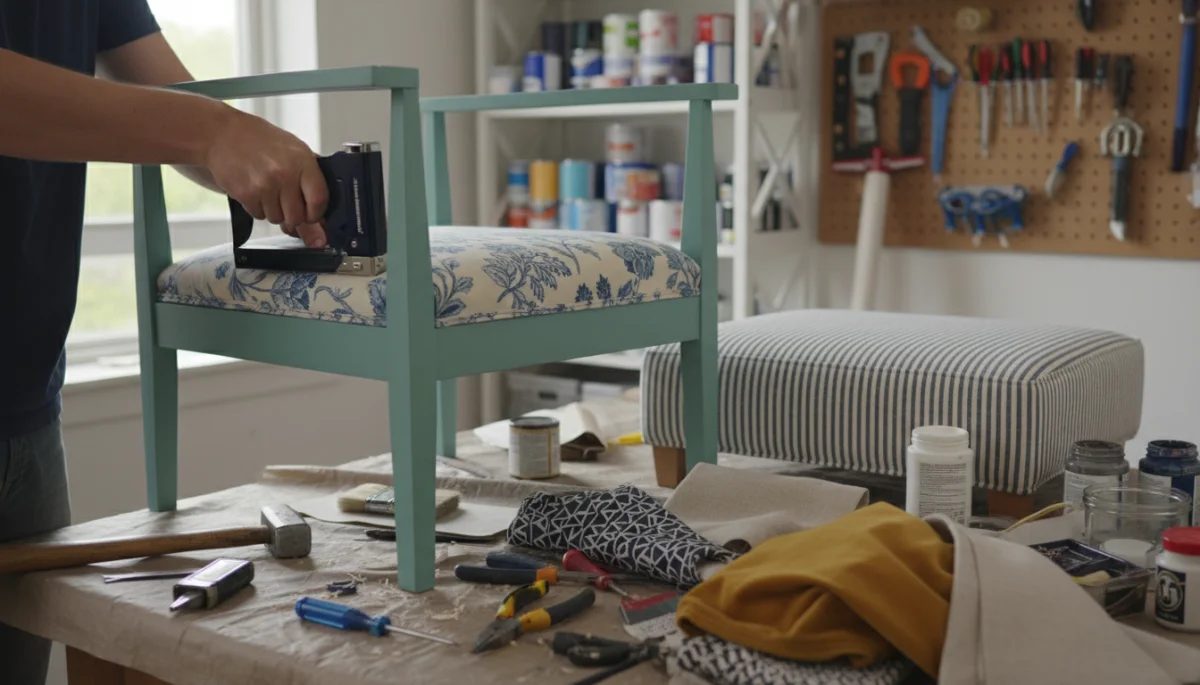
Embracing do-it-yourself (DIY) projects is a cornerstone of cost-effective decorating, allowing homeowners to personalize their spaces without incurring high labor costs. This approach also fosters creativity and a sense of accomplishment.
From painting and reupholstering to building simple shelves or decorative accents, DIY offers endless possibilities. Access to online tutorials and affordable tools has made these projects more accessible to a wider audience, facilitating cost-effective decorating.
The key to successful DIY in cost-effective decorating lies in smart material sourcing. Finding inexpensive or free materials can dramatically reduce project costs, making ambitious transformations feasible on a limited budget.

Finding Affordable and Repurposed Materials
Salvage yards, architectural salvage stores, and even construction sites (with permission) can be excellent sources for unique and inexpensive materials. Reclaimed wood, vintage hardware, and discarded fixtures can be transformed into stunning decor elements, aiding cost-effective decorating.
Fabric remnants from upholstery shops, discount fabric stores, and even old clothing can be repurposed for cushion covers, curtains, or decorative throws. Creativity in material sourcing directly translates to significant savings in cost-effective decorating.
- Visit local thrift stores for fabric, frames, and small decor items.
- Explore online communities for free or low-cost material giveaways.
- Learn basic carpentry or sewing skills to maximize DIY potential.
For those less inclined to hands-on projects, ready-to-assemble (RTA) furniture offers a middle ground. While not fully DIY, it significantly cuts down on assembly costs, contributing to overall cost-effective decorating.
Strategic Planning and Budgeting for Decor
Effective budgeting and strategic planning are paramount for achieving a 15% reduction in home furnishing expenses through cost-effective decorating. Without a clear plan, even the best bargain hunting tactics can fall short.
Begin by outlining your decorating goals, prioritizing essential items, and setting a realistic overall budget. This initial step provides a framework for all subsequent purchasing decisions, ensuring that every expense aligns with your cost-effective decorating strategy.
Allocate specific amounts for different categories, such as furniture, lighting, textiles, and accessories. Regularly review your budget to track spending and make adjustments as needed, maintaining control over your cost-effective decorating journey.
Creating a Detailed Decorating Plan
Before making any purchases, measure your space accurately and create a layout plan. This prevents buying items that don’t fit or don’t serve a clear purpose, a common pitfall that undermines cost-effective decorating.
Develop a mood board or visual plan to ensure cohesion in your design choices. This helps in making intentional purchases that contribute to the overall aesthetic, rather than accumulating disparate items, crucial for cost-effective decorating.
- Prioritize versatile pieces that can serve multiple functions.
- Invest in timeless designs rather than fleeting trends.
- Consider the long-term durability and maintenance costs of items.
By adhering to a well-defined plan, consumers can avoid unnecessary expenditures and make informed choices that contribute positively to their cost-effective decorating goals. This disciplined approach is a hallmark of smart financial management in home decor.
Subscription Models and Rental Services
The sharing economy is expanding into home furnishings, with subscription models and rental services offering innovative ways for cost-effective decorating. These options provide flexibility and reduce the upfront financial commitment of traditional purchasing.
Furniture rental services are ideal for temporary living situations or for those who enjoy frequently changing their decor without the burden of ownership. This model allows access to high-quality pieces at a manageable monthly cost, supporting cost-effective decorating.
Subscription boxes focused on home accessories or decor items can also provide a curated selection of new pieces at a predictable cost. These services often introduce unique items that might be expensive to purchase individually, enhancing cost-effective decorating efforts.
Benefits of Flexible Furnishing Options
Renting furniture eliminates the need for large initial investments, freeing up capital for other financial priorities. It also simplifies relocation, as moving heavy furniture is no longer a concern, making it a practical choice for cost-effective decorating.
Furthermore, these services often include maintenance and repair, reducing long-term ownership costs. The ability to refresh your decor periodically without significant outlay is a key advantage for modern, cost-effective decorating.
- Evaluate the long-term cost of renting versus buying for specific items.
- Understand the terms and conditions of subscription services.
- Consider the environmental benefits of reducing furniture waste.
As consumer preferences shift towards experiences over ownership, these flexible furnishing options are set to become increasingly popular, providing viable pathways for cost-effective decorating in 2026 and beyond.
Impact of Technology on Decor Sourcing
Technological advancements are revolutionizing how consumers find and purchase home furnishings, creating new avenues for cost-effective decorating. Digital tools are making the search for bargains more efficient and accessible.
Augmented reality (AR) apps allow users to visualize furniture in their homes before buying, reducing costly returns and ensuring better fit and style. This precision empowers smarter purchasing decisions, directly contributing to cost-effective decorating.
AI-powered recommendation engines suggest personalized decor options based on budget and style preferences, streamlining the search process. These technologies are integral to maximizing savings and achieving effective cost-effective decorating.
Utilizing Smart Shopping Tools and Apps
Price comparison websites and browser extensions automatically notify users of price drops and coupon codes across various retailers. These tools are indispensable for any serious bargain hunter focused on cost-effective decorating.
Apps that connect users to local sales, estate auctions, and liquidation events provide real-time updates on opportunities to acquire high-quality items at significantly reduced prices. This digital advantage is crucial for cost-effective decorating.
- Subscribe to price drop alerts for desired items.
- Use cashback apps and credit card rewards for purchases.
- Explore virtual showrooms to compare products from different brands.
The integration of technology into the decor sourcing process means that savvy consumers have more power than ever to influence their purchasing outcomes, making Cost-Effective Decorating: Save 15% on Home Furnishings with These 2026 Bargain Hunting Tactics (FINANCIAL IMPACT) a more attainable goal.
Understanding Financial Impact and Long-Term Value
Beyond immediate savings, understanding the long-term financial impact of decorating choices is crucial for true cost-effective decorating. Investing in quality and versatility can lead to greater value over time.
While bargain hunting is key, balancing low cost with durability and timeless design ensures that purchases remain relevant and functional for years. This prevents the need for frequent replacements, which ultimately adds to costs, undermining cost-effective decorating.
Consider the resale value of items, especially for higher-ticket pieces. Well-maintained, quality furniture can retain a significant portion of its value, offering a potential return on investment down the line, a smart aspect of cost-effective decorating.
Assessing Return on Investment in Decor
The true financial impact of cost-effective decorating extends beyond the initial purchase price to include maintenance, longevity, and potential for future resale. A holistic view helps in making economically sound decisions.
For example, a slightly more expensive piece of furniture made from durable materials might prove more cost-effective in the long run than a cheaper, less robust alternative that requires frequent replacement. This principle is vital for sustainable cost-effective decorating.
- Prioritize multi-functional furniture to maximize utility per dollar.
- Factor in the cost of care and cleaning for different materials.
- Research brands known for durability and good customer service.
By focusing on long-term value and strategic financial planning, consumers can achieve not just immediate savings but also sustained financial benefits from their cost-effective decorating endeavors.
Community and Collaborative Decorating
The power of community is becoming an increasingly valuable asset in the pursuit of cost-effective decorating. Collaborative efforts and shared resources can unlock significant savings and unique decor opportunities.
Local decor swaps, community yard sales, and neighborhood forums provide platforms for exchanging items, skills, and advice. These initiatives foster a sense of collective resourcefulness, benefiting every participant in their cost-effective decorating journey.
Collaborating with friends or family on larger projects, such as bulk buying materials or sharing tools, can also reduce individual costs. This communal approach makes ambitious decorating goals more achievable for everyone, reinforcing cost-effective decorating principles.
Networking for Decor Deals and Resources
Joining online groups dedicated to home decor and DIY allows members to share tips, discover local deals, and even offer or request items. These networks are rich sources of information and support for cost-effective decorating.
Attending local craft fairs and artisan markets can provide direct access to unique, handmade decor items, often at more competitive prices than mass-produced alternatives. Supporting local artisans can also contribute to cost-effective decorating by finding one-of-a-kind pieces.
- Organize or participate in neighborhood decor exchange events.
- Share DIY project ideas and resources with like-minded individuals.
- Leverage social media to connect with local decor enthusiasts.
By tapping into community resources and fostering a collaborative spirit, individuals can significantly enhance their cost-effective decorating strategies, proving that great style doesn’t always require a hefty price tag.
| Key Strategy | Brief Description |
|---|---|
| Bargain Hunting | Utilize sales, overstock, and open-box deals for significant savings. |
| Second-Hand & DIY | Embrace used items, upcycling, and crafting for unique, low-cost decor. |
| Smart Budgeting | Plan thoroughly, set budgets, and track spending to avoid overruns. |
| Tech Integration | Use apps and AI for price comparisons, visualization, and personalized recommendations. |
Frequently Asked Questions About Cost-Effective Decorating
In 2026, the best deals on new furniture will likely be found during major retail sales events, such as Black Friday or end-of-season clearances. Additionally, new e-commerce platforms specializing in overstock and open-box items are emerging, offering significant discounts. Subscribing to retailer newsletters and using price-tracking tools can also provide a competitive edge in cost-effective decorating.
Absolutely. Second-hand furniture is a highly reliable and sustainable option for cost-effective decorating. Online marketplaces, consignment stores, and local community groups offer a vast selection of pre-owned items, often at a fraction of their original price. Inspection for quality and minor refurbishment can transform these pieces into valuable additions to your home, enhancing your cost-effective decorating.
DIY projects are central to achieving significant savings in cost-effective decorating. By undertaking tasks like painting, reupholstering, or simple furniture construction, you eliminate labor costs and personalize your decor. Sourcing inexpensive or repurposed materials further reduces expenses, allowing for creative and budget-friendly transformations that define truly cost-effective decorating.
Technology offers powerful tools for cost-effective decorating. Augmented reality (AR) apps help visualize furniture in your space, preventing costly mistakes. AI-powered recommendation engines suggest budget-friendly options, and price comparison tools ensure you get the best deals. These digital aids streamline the shopping process and maximize your savings, making cost-effective decorating more efficient.
The long-term financial impact of cost-effective decorating is substantial. By focusing on durability, timeless design, and smart acquisitions, you reduce the need for frequent replacements, saving money over time. Additionally, investing in quality pieces with good resale value can provide a return on investment, making your decorating choices financially astute and sustainable for years to come.
Looking Ahead: Sustaining Cost-Effective Decorating Habits
The insights into Cost-Effective Decorating: Save 15% on Home Furnishings with These 2026 Bargain Hunting Tactics (FINANCIAL IMPACT) underscore a fundamental shift in consumer behavior. The emphasis is moving from impulsive buying to strategic, informed decisions that prioritize both aesthetics and financial prudence.
As 2026 approaches, the market will continue to reward those who are patient, research thoroughly, and embrace alternative sourcing methods. The trajectory points towards a more conscious consumerism, where value is measured not just by price, but by sustainability and personal expression.
WeRecommend encourages readers to integrate these tactics into their decorating plans, continually seeking new ways to enhance their living spaces without compromising their financial well-being. The future of home decor is both stylish and smart, empowering everyone to achieve their desired aesthetic with significant savings.