The 2026 Definitive Buying Guide to Smart Home Security Systems: What to Prioritize for Under $500
Advertisements
Securing your property shouldn’t feel like a luxury reserved for massive budgets. If you want to protect what matters most without draining your bank account, this Smart Home Security Buying Guide is your ultimate roadmap to affordable peace of mind.
Cutting-edge connected surveillance is no longer a premium privilege, as the latest automated defense systems offer incredible value. We have carefully curated the best budget-friendly setups that deliver top-tier automated protection for less than $500.
Navigating the crowded marketplace of intelligent property defense can be overwhelming, but we’ve done the heavy lifting for you. Discover how to maximize your investment with high-performing, cost-effective gear that keeps your household safe, smart, and securely within budget.
Advertisements
Understanding Your Smart Home Security Needs
Before investing in any system, a thorough assessment of your specific home security requirements is paramount. Every home presents unique vulnerabilities, and recognizing these helps in selecting components that offer targeted protection.
This foundational step ensures your budget is allocated efficiently towards what truly matters.
Consider the layout of your property, entry points, and any specific concerns such as valuable possessions or unattended pets.
A comprehensive understanding of these factors will guide your choices, preventing unnecessary expenditures on features you may not require. This personalized approach is key to effective smart home security 2026.
Identifying your priorities early allows for a more streamlined purchasing process, aligning your selections with both your security needs and your financial constraints.
This strategic planning is crucial for building a reliable smart home security 2026 system that fits within the $500 budget. It sets the stage for smart shopping decisions.
Key Vulnerabilities to Address First
Focus on securing primary entry points like doors and ground-floor windows, as these are the most common access points for intruders. Magnetic contact sensors are highly effective and affordable for these areas, providing immediate alerts upon unauthorized opening.
Prioritizing these helps establish a strong perimeter defense for your smart home security 2026.
Motion sensors are also vital for detecting movement within key areas, such as hallways or living rooms, after the system is armed.
Modern sensors are often pet-immune, minimizing false alarms while still offering robust detection. Integrating these intelligently enhances overall system responsiveness for smart home security 2026.
- Secure all ground-level windows and doors with contact sensors.
- Install motion sensors in high-traffic interior areas.
- Consider a smart doorbell camera for front-door monitoring.
Essential Components for a Budget-Friendly System
Building an effective smart home security 2026 system under $500 necessitates a focus on core components that deliver maximum impact.
Prioritizing essential devices ensures fundamental protection without overspending on extraneous features. A well-chosen base system provides a solid foundation for future expansion if needed.
The cornerstone of any smart home security 2026 setup includes a reliable hub, door/window sensors, and at least one motion detector.
These elements work in concert to monitor entry and movement, forming the first line of defense. Selecting reputable brands known for affordability and performance is crucial for long-term reliability.
Beyond the basics, integrating a smart siren or an indoor camera can significantly enhance deterrence and evidence collection.
While staying within budget, these additions amplify the system’s effectiveness, making your home less appealing to potential threats. This strategic selection is vital for smart home security 2026.
Core Devices and Their Functions
The central hub acts as the brain of your smart home security 2026 system, connecting all sensors and devices and facilitating communication.
It’s responsible for processing alerts and often integrates with your smartphone for remote control. A robust hub is non-negotiable for seamless operation and reliable notifications.
Door and window sensors are simple yet highly effective, triggering an alarm when a protected entry point is opened.
These devices are typically inexpensive and easy to install, making them ideal for covering multiple access points. They are a fundamental component of any smart home security 2026 setup.
- Central Hub: Coordinates all devices and sends alerts.
- Door/Window Sensors: Detect unauthorized entry at specific points.
- Motion Sensors: Cover larger areas for movement detection.
Evaluating Connectivity and Integration Options
The effectiveness of a smart home security 2026 system heavily relies on its connectivity and ability to integrate with other smart devices.
A system that communicates seamlessly ensures timely alerts and allows for comprehensive automation, enhancing overall security and convenience. Consider systems that support common wireless protocols.
Wi-Fi, Zigbee, and Z-Wave are prevalent communication standards in smart home technology, each offering distinct advantages in terms of range, power consumption, and device compatibility.
Understanding these options helps in selecting a system that can grow with your needs and integrate with existing smart home devices. This is a critical aspect for smart home security 2026.
Compatibility with voice assistants like Amazon Alexa or Google Assistant can streamline daily interactions with your security system, allowing for hands-free control and status checks.
This level of integration transforms a basic security setup into a truly smart home environment, providing both protection and ease of use for smart home security 2026.
Wireless Protocols and Their Benefits
Wi-Fi-based systems are often simpler to set up, leveraging your existing home network, but can sometimes consume more power and be susceptible to network congestion.
They are a common choice for standalone devices like cameras or smart doorbells, offering direct internet access for remote monitoring.
Zigbee and Z-Wave technologies are designed specifically for smart home networks, offering lower power consumption, longer battery life for sensors, and a mesh network capability that extends range.
These protocols are excellent for creating a reliable and extensive network of security sensors within your smart home security 2026 system.
- Wi-Fi: Easy setup, direct internet access, higher power usage.
- Zigbee/Z-Wave: Low power, mesh networking, ideal for sensors.
- Cellular Backup: Ensures connectivity during power or internet outages.
Prioritizing Monitoring and Alert Features
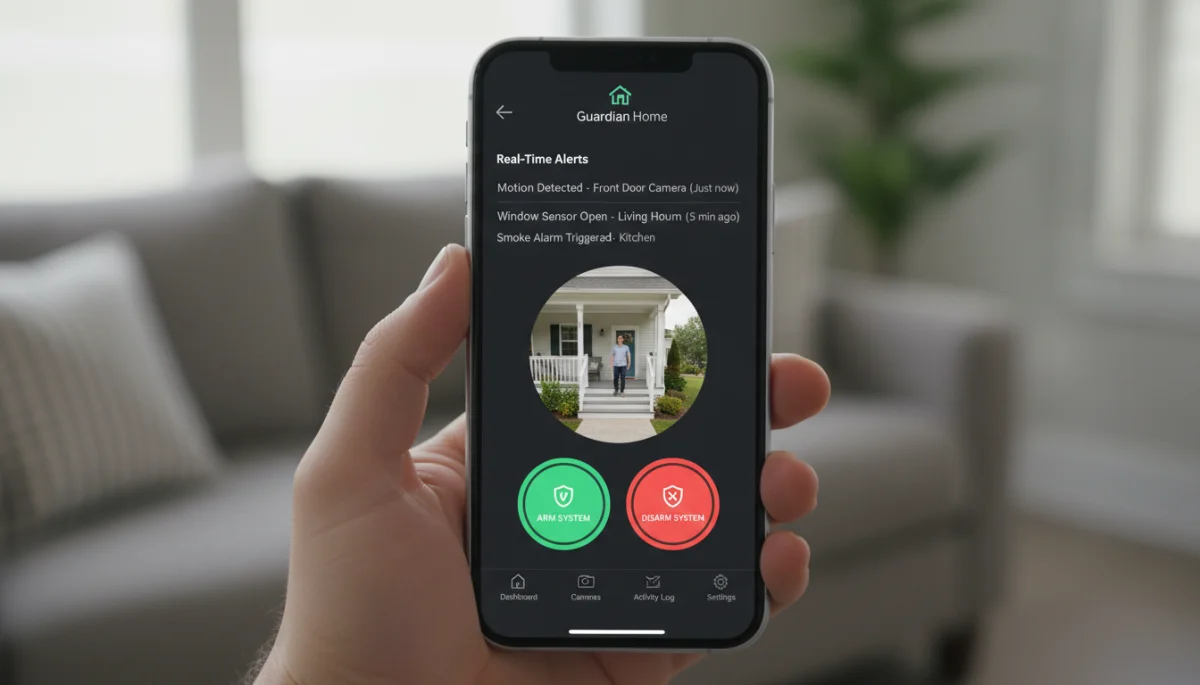
Effective monitoring and timely alerts are the bedrock of any reliable smart home security 2026 system. The ability to receive immediate notifications about potential threats allows for swift action, whether it’s checking camera feeds or contacting authorities. Prioritize systems that offer customizable alert options.
Many budget-friendly systems offer self-monitoring capabilities, where alerts are sent directly to your smartphone via an app. This eliminates monthly fees associated with professional monitoring, aligning perfectly with a sub-$500 budget.
Ensure the app is user-friendly and provides clear, actionable information for your smart home security 2026.
For those seeking enhanced peace of mind, some systems offer optional professional monitoring plans that can be added later, typically for a monthly fee.
While this may exceed the initial $500 budget, it’s an important consideration for long-term security planning. Evaluate the cost-benefit for smart home security 2026 carefully.
Self-Monitoring vs. Professional Monitoring
Self-monitoring places the responsibility of responding to alerts directly on the homeowner. This is a cost-effective solution, relying on smartphone notifications and personal discretion to contact emergency services.
It requires a commitment to actively managing your smart home security 2026 system.
Professional monitoring involves a third-party service that monitors your system 24/7 and dispatches emergency services upon alarm activation.
While it incurs a recurring fee, it offers an added layer of protection, particularly when you are away or unable to respond to alerts. This is a key differentiator for smart home security 2026.
- Self-Monitoring: Cost-effective, relies on homeowner response.
- Professional Monitoring: 24/7 third-party response, recurring fees.
- Customizable Alerts: Tailor notifications for specific events.
Maximizing Your Budget: Smart Shopping Strategies
Achieving a robust smart home security 2026 system for under $500 requires strategic shopping and an understanding of where to find value.
Focusing on reputable brands known for their entry-level offerings and looking for bundles or sales can significantly stretch your budget. Patience and research are key to smart purchasing.
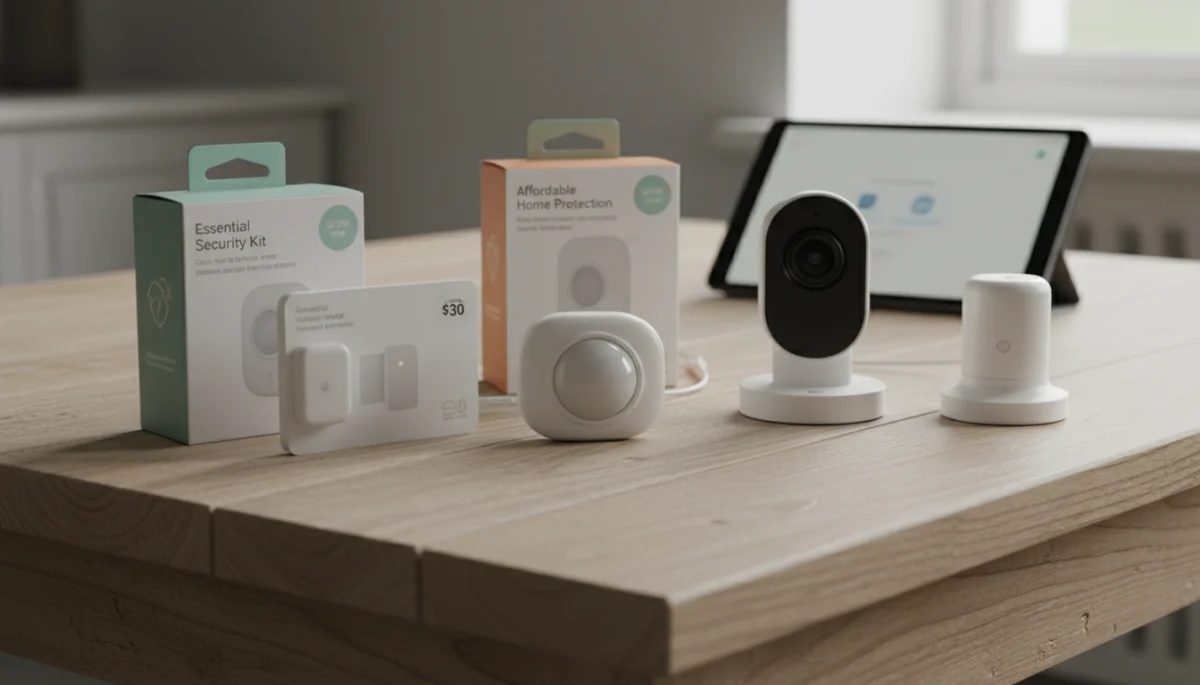
Many companies offer starter kits that include a hub and a few essential sensors at a discounted price, providing an excellent foundation.
These bundles often represent better value than purchasing individual components separately, making them ideal for building a smart home security 2026 system on a budget. Always compare package contents and pricing.
Don’t overlook refurbished products from certified sellers or seasonal sales events like Black Friday or Cyber Monday.
These opportunities can provide access to higher-quality components at a fraction of their original cost, enabling you to build a more sophisticated smart home security 2026 system within your financial limits. Diligence in searching for deals pays off.
Best Value Brands and Starter Kits
Brands like Wyze, Ring, and SimpliSafe often offer competitive starter kits that fall within the $500 budget, providing a solid entry point into smart home security 2026.
These companies balance affordability with reliable performance, making them popular choices for budget-conscious consumers. Their ecosystems are often expandable.
Look for starter kits that include a central hub, at least two door/window sensors, and one motion sensor. These components form the basic protective layer for most homes and are crucial for any smart home security 2026 setup.
Some kits might also include an indoor camera or a key fob for added convenience.
- Wyze: Known for affordable cameras and basic security kits.
- Ring: Offers comprehensive systems with strong camera integration.
- SimpliSafe: User-friendly, expandable systems with optional monitoring.
Installation and User-Friendliness
The ease of installation and overall user-friendliness are critical factors, especially for those new to smart home technology. A complex setup can lead to frustration and potential security vulnerabilities if not configured correctly.
Prioritizing systems designed for DIY installation saves money and ensures a smoother experience for smart home security 2026.
Most budget-friendly smart home security 2026 systems are designed with the DIY user in mind, featuring wireless components and intuitive mobile apps for guided setup.
Look for clear instructions and responsive customer support, which can be invaluable during the initial configuration phase. A straightforward process is essential.
Once installed, the system’s daily operation should be simple and intuitive, with easy arming/disarming, clear notifications, and accessible controls.
A user-friendly interface encourages consistent use and ensures that the system is effectively utilized for ongoing protection. This aspect is vital for long-term satisfaction with your smart home security 2026.
DIY Installation Benefits and Challenges
DIY installation significantly reduces costs by eliminating the need for professional technicians, a major advantage when working with a $500 budget. It also offers the flexibility to customize sensor placement and expand the system at your own pace.
This hands-on approach empowers homeowners with complete control over their smart home security 2026.
However, DIY installation requires a basic understanding of technology and a willingness to follow instructions carefully. Potential challenges include troubleshooting connectivity issues or ensuring optimal sensor placement for maximum coverage.
Most systems provide extensive online resources and customer support to assist with these hurdles in smart home security 2026.
- Cost Savings: No professional installation fees.
- Flexibility: Customize placement and expand as needed.
- Learning Curve: Requires some technical aptitude.
Future-Proofing Your Smart Home Security Investment
Investing in a smart home security 2026 system should consider its potential for future expansion and adaptation. Technology evolves rapidly, and selecting a system that can integrate new devices or features ensures its longevity and continued effectiveness.
Look for ecosystems that are open and support a wide range of third-party products.
Choosing a system that uses common communication protocols like Zigbee or Z-Wave enhances its compatibility with future smart home devices, even if they’re from different manufacturers.
This flexibility allows you to upgrade individual components without replacing the entire system, saving money in the long run for your smart home security 2026.
Consider brands that consistently release software updates and new device integrations, indicating a commitment to evolving their platforms.
A system that receives regular updates will remain secure and functional against emerging threats and new technologies. This foresight is crucial for a durable smart home security 2026 solution.
Scalability and Device Compatibility
Scalability refers to the ability of your smart home security 2026 system to grow with your needs, adding more sensors, cameras, or smart devices over time.
A truly scalable system allows you to start with a basic setup and expand it gradually, without needing to replace the core hub. This is ideal for managing budget constraints.
Device compatibility ensures that new components can seamlessly integrate into your existing system. Before purchasing new devices, always verify their compatibility with your current hub and communication protocols.
This prevents costly mistakes and ensures all elements of your smart home security 2026 work together harmoniously.
- Open Ecosystems: Support for various third-party devices.
- Modular Design: Add components as needed without replacing the core.
- Software Updates: Ensures long-term security and functionality.
Legal and Privacy Considerations for Smart Systems
When deploying a smart home security 2026 system, understanding the legal and privacy implications is just as important as selecting the hardware.
Surveillance laws vary by state and municipality, especially concerning outdoor cameras and audio recording. Familiarizing yourself with these regulations prevents potential legal issues.
Data privacy is a significant concern with smart devices, as they often collect and transmit personal information. Choose systems from reputable manufacturers that have strong privacy policies and offer data encryption.
Reviewing these policies ensures your personal data is protected, a crucial aspect of smart home security 2026.
Be mindful of where cameras are placed, particularly in shared spaces or areas that might capture public property. Transparency with household members and visitors about surveillance is also a good practice.
Responsible use of your smart home security 2026 system upholds both legal requirements and ethical standards.
Data Security and Local Regulations
Data security protocols, such as end-to-end encryption for video feeds and secure cloud storage, are vital for protecting your privacy.
Ensure your chosen smart home security 2026 system employs robust security measures to prevent unauthorized access to your data. Regular password changes and two-factor authentication add extra layers of protection.
Local regulations often dictate where you can install outdoor cameras and whether you can record audio.
For instance, recording neighbors’ property without consent can lead to legal disputes. Always consult local ordinances to ensure your smart home security 2026 setup complies with the law.
- Encryption: Protects data transmission and storage.
- Privacy Policies: Understand how your data is used and stored.
- Local Laws: Comply with surveillance and recording regulations.
| Key Priority | Brief Description |
|---|---|
| Budget Adherence | Strictly maintain spending under $500 for the smart home security 2026 system. |
| Essential Components | Focus on hub, door/window sensors, and motion detectors for core protection. |
| Connectivity & Integration | Choose systems with reliable protocols and smart home compatibility. |
| User-Friendliness | Opt for easy DIY installation and intuitive daily operation for smart home security 2026. |
Frequently Asked Questions About Smart Home Security 2026
For a smart home security 2026 system under $500, the absolute must-haves include a central hub, at least two door/window sensors for main entry points, and one motion sensor for a central area. A basic indoor camera can also be a valuable addition if the budget allows. These form the core of effective home protection.
Typically, professional monitoring incurs recurring monthly fees, which would exceed the $500 initial budget for smart home security 2026 if included in the upfront cost. However, many systems allow for self-monitoring initially, with the option to add professional services later if desired. Focus on self-monitored systems to stay within budget.
Brands like Wyze, Ring, and SimpliSafe are renowned for offering excellent value in the budget smart home security 2026 market. They provide reliable starter kits and individual components that often fall within the $500 price range, balancing essential features with affordability. Researching their bundle deals is highly recommended.
Smart home integration is highly important as it enhances convenience and overall system effectiveness for smart home security 2026. Compatibility with voice assistants and other smart devices allows for automation, such as lights turning on when motion is detected. This creates a more responsive and intelligent security environment.
Common mistakes include overspending on unnecessary features, neglecting to secure all primary entry points, and choosing systems with poor connectivity. Also, overlooking user reviews and failing to check for hidden monthly fees can lead to dissatisfaction. Prioritize core security and reliable performance for smart home security 2026.
Looking Ahead
The landscape of smart home security 2026 continues to evolve, with increasing accessibility and technological advancements. This guide provides a foundational understanding for making informed decisions within a budget.
Consumers should remain attentive to emerging product reviews and software updates, ensuring their systems remain effective and secure.
As the market for smart home security 2026 matures, expect more integrated solutions and enhanced AI capabilities even in budget-friendly options. Staying informed about these developments will allow homeowners to continuously optimize their security setups.
The emphasis remains on smart, strategic investments.
Ultimately, the goal is to create a secure living environment that offers peace of mind without financial strain. By following the priorities outlined in this guide, consumers can confidently navigate the options available for smart home security 2026.
The future promises even more sophisticated yet affordable protection for every home.