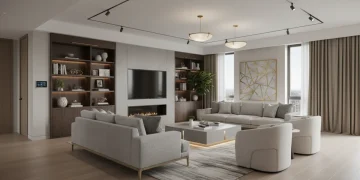
Lighting Design Secrets: Transform Room Ambiance in 3 Steps
Explore the latest in lighting design secrets to drastically enhance your living spaces. This guide offers practical solutions for transforming any room's ambiance in just three straightforward steps, focusing on immediate, impactful changes. Understand how strategic lighting can redefine comfort and style within your home without extensive renovations.
Advertisements
Unlock the power of lighting design secrets with practical solutions to transform your room’s ambiance. Learn how strategic illumination can redefine comfort and style without extensive renovations. This guide focuses on immediate, impactful changes, providing clear steps for enhancing your living spaces.
Lighting Design Secrets: How to Transform Your Room’s Ambiance in 3 Easy Steps (PRACTICAL SOLUTIONS) is shaping today’s agenda with new details released by officials and industry sources. This update prioritizes what changed, why it matters and what to watch next, in a straightforward news format.
Understanding the Foundation of Ambiance: The Role of Light
Advertisements
Effective lighting is not merely about illumination; it fundamentally shapes the mood and functionality of any interior space. The strategic placement and type of light sources can drastically alter perceptions of size, comfort, and even emotional connection within a room.
Recent studies in interior design consistently highlight that poorly lit spaces often feel cramped or uninviting, regardless of their size or decor. Conversely, a well-executed lighting plan can make a small room feel expansive and a large room feel cozy, demonstrating the profound impact of lighting design secrets.
As we delve into practical solutions, understanding these foundational principles is crucial. It sets the stage for appreciating how simple adjustments can yield significant transformations in your home’s atmosphere, making every corner serve its intended purpose with enhanced aesthetic appeal.
Step 1: Layering Your Light for Depth and Versatility
The first critical step in mastering lighting design secrets involves layering different types of light to create depth and versatility in your space. This approach moves beyond a single overhead light, which often creates harsh shadows and a flat appearance, to a more dynamic and inviting environment.
Layering typically involves three primary types of lighting: ambient, task, and accent. Each serves a distinct purpose and, when combined thoughtfully, contributes to a rich and adaptable lighting scheme that can be adjusted for various activities and moods.
Implementing this layered strategy is a cornerstone of sophisticated interior design, allowing you to control the feel of a room with precision. It ensures that every area is not only adequately lit but also contributes to the overall desired ambiance, showcasing the true power of lighting design secrets.
Ambient Lighting: The Base of Your Room’s Mood
Ambient lighting provides the general illumination for a room, acting as its primary light source. This layer is essential for overall visibility and sets the foundational mood, creating a comfortable and welcoming atmosphere.
Common sources include ceiling fixtures like chandeliers, recessed lighting, or track lighting, which distribute light broadly across the space. The color temperature of these bulbs significantly impacts the overall warmth or coolness of the room, a key aspect of effective lighting design secrets.
Thoughtful selection of ambient lighting ensures that the room feels appropriately bright without being overpowering. It forms the canvas upon which other lighting layers will build, defining the initial impression and general functionality of the space.
- Overhead fixtures (chandeliers, flush mounts) provide widespread illumination.
- Recessed lights offer a clean, unobtrusive look while maintaining brightness.
- Dimmers are crucial for adjusting the intensity and mood of ambient light.
- Warm white bulbs (2700K-3000K) typically create a more inviting atmosphere.
Task Lighting: Illuminating Functionality
Task lighting is specifically designed to provide focused illumination for activities such as reading, cooking, or working. Its purpose is to reduce eye strain and enhance concentration, making everyday tasks more comfortable and efficient.
Examples include desk lamps, under-cabinet lighting in kitchens, or floor lamps positioned beside a reading chair. The key is to place these lights directly where the task occurs, preventing shadows and ensuring adequate brightness without spilling over excessively into other areas.
Integrating effective task lighting is a practical solution that significantly improves the usability of a room. It complements ambient light by offering targeted brightness, an essential component of comprehensive lighting design secrets.
- Desk lamps and floor lamps offer adjustable, directed light for specific activities.
- Under-cabinet lighting brightens countertops, essential for kitchen tasks.
- Pendant lights over islands or dining tables provide focused illumination.
- Position task lights to avoid glare and minimize shadows on your work surface.
Step 2: Choosing the Right Fixtures and Bulb Types
Once you understand the principles of layered lighting, the next step in implementing lighting design secrets is selecting the appropriate fixtures and bulb types. This choice significantly influences both the aesthetic and functional aspects of your room’s ambiance.
Different fixtures offer varying light distributions and design statements, while bulb types dictate brightness, energy efficiency, and most importantly, color temperature. Harmonizing these elements is crucial for achieving your desired mood and ensuring energy conservation.
Making informed decisions about fixtures and bulbs allows you to refine your lighting strategy, moving beyond basic illumination to creating a truly curated environment. This careful selection process is integral to unlocking the full potential of lighting design secrets.
Color Temperature: Setting the Mood
Color temperature, measured in Kelvin (K), dictates whether a light appears warm (yellowish) or cool (bluish). This often-overlooked detail is paramount in shaping the emotional response and perceived comfort of a space.
Warmer temperatures (2700K-3000K) create a cozy, inviting atmosphere suitable for living rooms and bedrooms, promoting relaxation. Cooler temperatures (3500K-5000K) are more energizing and better suited for task-oriented areas like kitchens, offices, or bathrooms where clarity is prioritized.
Understanding and strategically applying color temperature is a fundamental aspect of lighting design secrets, allowing you to fine-tune the emotional impact of each room. It’s a simple yet powerful adjustment that can dramatically change the feel of your home.
Fixture Styles: Integrating with Decor
The style of your lighting fixtures should seamlessly integrate with your room’s overall decor, acting as both functional light sources and decorative elements. A well-chosen fixture can enhance the aesthetic theme, whether modern, traditional, or eclectic.
Consider the materials, finishes, and forms of your fixtures to ensure they complement existing furniture and accessories. A statement chandelier can be a focal point, while minimalist track lighting can blend into a contemporary design, all contributing to effective lighting design secrets.
Selecting fixtures that align with your personal style and the room’s purpose elevates the design beyond mere utility. This thoughtful integration underscores the comprehensive nature of successful lighting design secrets.
Step 3: Implementing Smart Controls and Strategic Placement
The final step in mastering lighting design secrets involves implementing smart controls and optimizing the strategic placement of your light sources. This not only enhances convenience but also provides unparalleled flexibility in adapting your room’s ambiance to any situation.
Dimmers, smart bulbs, and automated systems allow for instant adjustments to light intensity and color, giving you dynamic control over the mood. Thoughtful placement ensures every light serves its purpose effectively, eliminating dark spots and enhancing architectural features.
These advanced techniques transform a static lighting setup into a responsive and intuitive environment, truly unlocking the potential of lighting design secrets. It’s about empowering you to effortlessly craft the perfect atmosphere at any moment.
Dimmers and Smart Lighting: Dynamic Ambiance Control
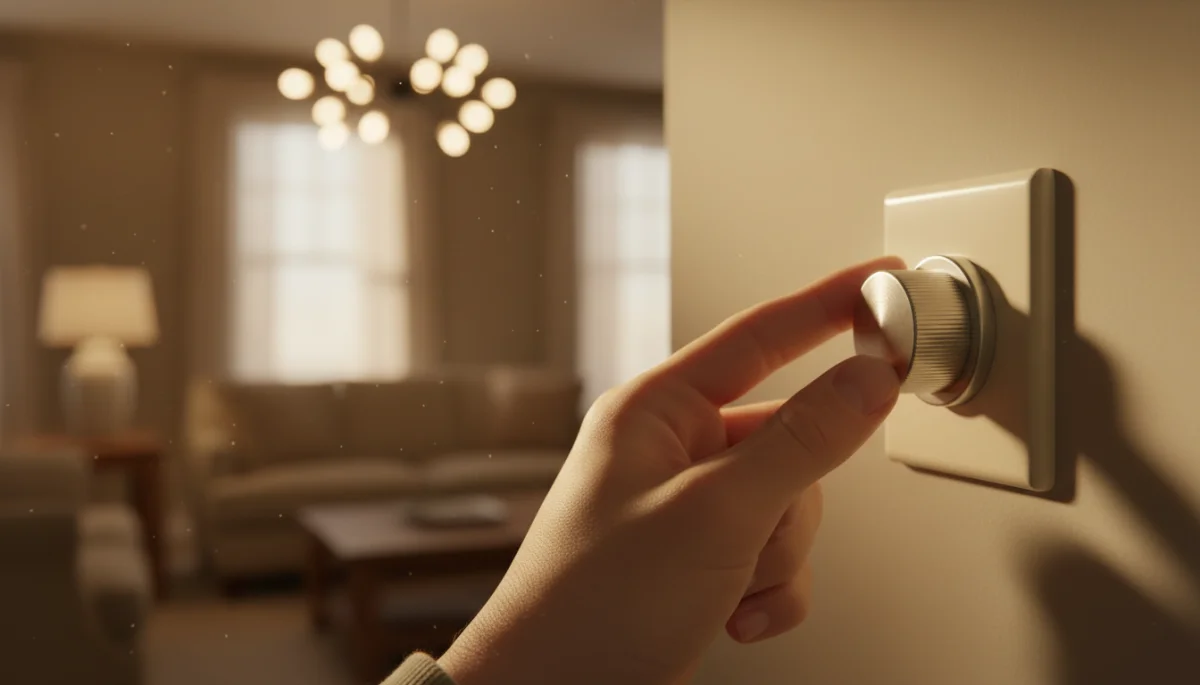
Dimmers are arguably one of the most impactful tools in achieving flexible room ambiance. They allow you to adjust the brightness of any light source, instantly transforming a bright, functional space into a soft, intimate setting, a core element of lighting design secrets.
Beyond traditional dimmers, smart lighting systems offer even greater control, often accessible via smartphone apps or voice commands. These systems can change not only brightness but also color temperature, and even create custom lighting scenes for different times of day or activities.
Investing in dimmers or smart lighting provides unparalleled versatility, making your lighting truly adaptable to any mood or occasion. This level of control is fundamental to truly effective lighting design secrets.
- Install dimmers on all ambient and accent lights for maximum flexibility.
- Smart bulbs allow for remote control and color temperature adjustments.
- Create pre-set lighting scenes for different activities like reading or entertaining.
- Automated schedules can adjust lighting based on natural light cycles.
Highlighting Features and Eliminating Shadows
Strategic placement of light sources can dramatically enhance a room’s architectural features, artwork, or decorative elements. This involves using accent lighting to draw attention to specific points of interest, creating visual depth and intrigue.
Wall washers can illuminate an entire wall, while picture lights can highlight artwork without glare. Careful placement also helps eliminate harsh shadows that can make a room feel unwelcoming or poorly designed, a crucial aspect of lighting design secrets.
By consciously directing light, you can sculpt your space, emphasizing its best attributes and creating a visually cohesive and inviting environment. This thoughtful approach is a hallmark of sophisticated lighting design secrets.
Practical Solutions for Every Room
Applying lighting design secrets effectively requires a tailored approach for each room, considering its specific function and desired atmosphere. What works in a living room may not be ideal for a bedroom or kitchen.
For instance, a kitchen demands bright, functional task lighting for food preparation, complemented by ambient light for dining. In contrast, a bedroom benefits from soft, warm ambient light, with targeted task lighting for reading, highlighting the versatility of lighting design secrets.
This section explores practical solutions for various spaces, ensuring that the principles of layering, fixture selection, and smart controls are applied contextually. Understanding these nuances will solidify your grasp of lighting design secrets.
Living Room: Versatility and Comfort
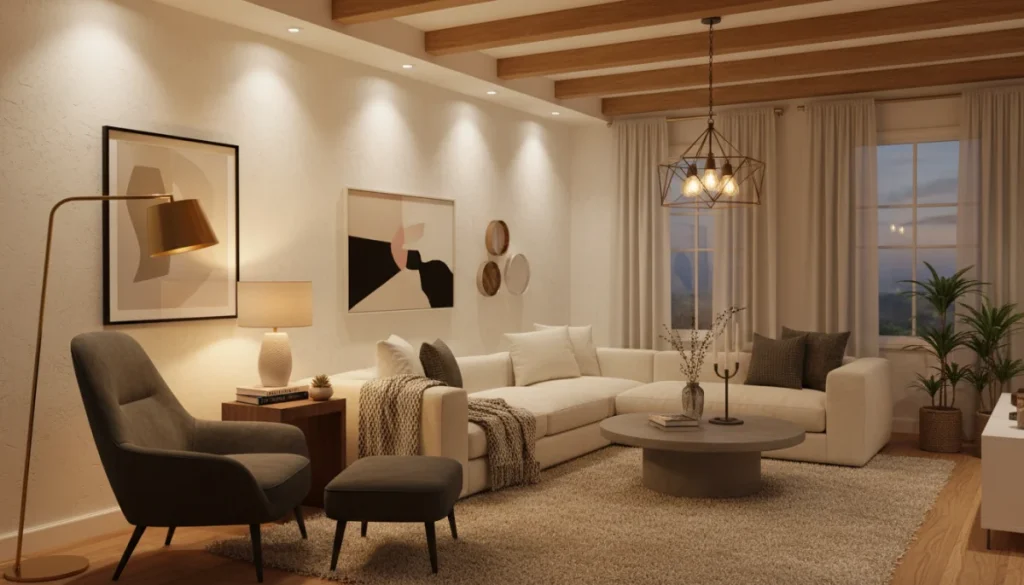
The living room often serves multiple purposes, from entertaining guests to relaxing with family, demanding highly versatile lighting. A combination of ambient, task, and accent lighting is essential to accommodate these varied activities, embodying the essence of lighting design secrets.
Overhead ambient lighting, perhaps with dimmers, provides general illumination, while floor and table lamps offer soft task lighting for reading or conversation. Accent lighting, such as track lights or picture lights, can highlight artwork or architectural details, enhancing the room’s character.
The goal is to create a comfortable and inviting space that can easily transition between different moods and functions. This adaptability is a key takeaway when implementing lighting design secrets in your main communal area.
Bedroom: Serenity and Functionality
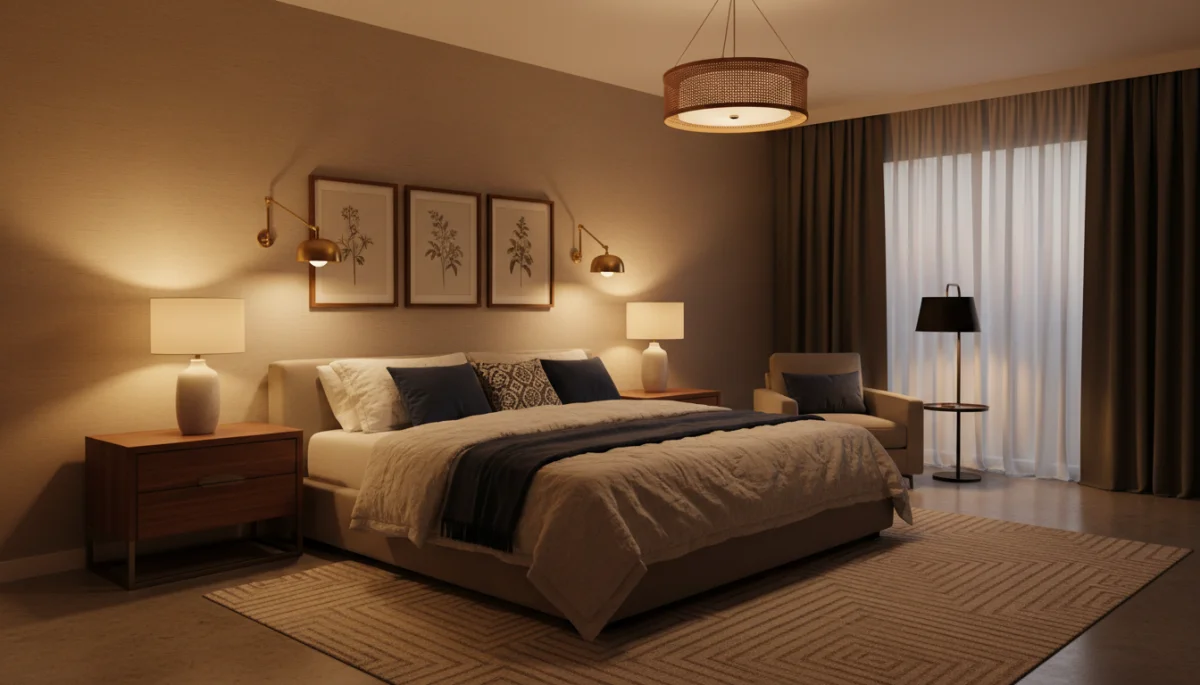
In the bedroom, the primary focus for lighting design secrets is creating a serene and relaxing environment conducive to rest. Soft, warm ambient lighting is paramount, often achieved with a central ceiling fixture on a dimmer or strategically placed wall sconces.
Bedside lamps are crucial for task lighting, allowing for reading without disturbing a partner. These should have easily accessible switches and potentially adjustable brightness. Accent lighting can be used sparingly to highlight a headboard or a decorative element, reinforcing the room’s calm atmosphere.
The judicious application of lighting design secrets in the bedroom prioritizes comfort and tranquility, ensuring the space supports both relaxation and essential personal activities. It’s about balance and thoughtful placement.
The Impact of Natural Light Integration
While artificial lighting is central to transforming ambiance, effectively integrating natural light is equally vital in any comprehensive lighting strategy. Maximizing daylight can reduce energy consumption and significantly enhance mood and well-being, showcasing another facet of lighting design secrets.
Consider window treatments that allow for flexible light control, such as sheer curtains for diffused light or blackout blinds for complete darkness when needed. Mirror placement can also amplify natural light by reflecting it deeper into the room, a clever application of lighting design secrets.
Harmonizing natural and artificial light creates a dynamic and energy-efficient environment. This holistic approach ensures your room feels bright and inviting throughout the day, seamlessly transitioning into the evening with artificial illumination.
Common Pitfalls to Avoid in Lighting Design
Even with a solid understanding of lighting design secrets, certain common mistakes can undermine your efforts. Being aware of these pitfalls can help you avoid them and ensure your lighting plan achieves its intended effect without compromising comfort or aesthetics.
Over-lighting a room, relying solely on a single light source, or choosing the wrong color temperature are frequent errors that can lead to an uncomfortable or uninviting space. Addressing these issues proactively is crucial for successful implementation of lighting design secrets.
By recognizing and steering clear of these common missteps, you can refine your approach and create a truly harmonious and functional lighting scheme. This critical awareness reinforces the practical application of lighting design secrets.
Avoiding Over-lighting and Under-lighting
A common mistake is either over-lighting a room, making it feel sterile and harsh, or under-lighting it, resulting in a dim and uninviting space. Both extremes detract from the desired ambiance and functionality, demonstrating the importance of balanced lighting design secrets.
The key is to achieve a balance through layering and dimmers, providing enough light for tasks while maintaining a comfortable overall brightness. Consider the size of the room and the activities performed within it to determine appropriate light levels.
Properly balancing light ensures that every area is adequately illuminated without excess, creating a welcoming atmosphere. This careful calibration is a vital element of successful lighting design secrets.
Ignoring Light Direction and Shadows
The direction from which light emanates profoundly affects the perception of a space, creating shadows that can either enhance or detract from its appeal. Ignoring these effects can lead to unflattering illumination and an uncomfortable environment, a critical point in lighting design secrets.
Harsh overhead lighting often casts unflattering shadows, while light from multiple directions can soften shadows and create visual interest. Consider uplighting to emphasize ceilings or wall textures, and downlighting for task-specific areas.
Paying attention to light direction allows you to sculpt your space, highlighting its best features and minimizing less desirable ones. This nuanced understanding is a hallmark of truly effective lighting design secrets.
| Key Concept | Brief Description |
|---|---|
| Layered Lighting | Combine ambient, task, and accent lights for depth and versatility. |
| Color Temperature | Choose warm (2700K-3000K) for coziness, cool (3500K-5000K) for tasks. |
| Smart Controls | Utilize dimmers and smart bulbs for flexible ambiance adjustment. |
| Strategic Placement | Highlight features and eliminate shadows for enhanced visual appeal. |
Frequently Asked Questions About Lighting Design
The three main types are ambient, task, and accent lighting. Ambient lighting provides general illumination, task lighting focuses on specific activities, and accent lighting highlights features. Combining these creates a layered and versatile lighting scheme, essential for effective lighting design secrets.
Color temperature significantly impacts mood. Warmer temperatures (2700K-3000K) create a cozy, relaxing feel, ideal for living rooms and bedrooms. Cooler temperatures (3500K-5000K) are more energizing and suitable for kitchens or home offices. This is a crucial aspect of lighting design secrets.
While not strictly necessary in every single room, dimmers are highly recommended for most spaces, especially living rooms and bedrooms. They offer flexibility to adjust light intensity, allowing you to easily shift the room’s ambiance from bright and functional to soft and intimate, a key part of lighting design secrets.
To make a small room feel larger, use ambient lighting to brighten the entire space, and consider uplighting to draw the eye upward. Avoid bulky fixtures and use mirrors strategically to reflect light. These lighting design secrets create an illusion of space and openness, enhancing the room’s perceived size.
Natural light is integral to effective lighting design. Maximizing daylight reduces energy needs and improves well-being. Integrate it with artificial light for a dynamic environment. Use sheer curtains or blinds for control, and mirrors to amplify reflection, enhancing overall lighting design secrets and impact.
Perspectives on Future Living Spaces
The evolution of lighting technology continues to redefine how we interact with our living environments. What constitutes effective lighting design secrets today will undoubtedly expand with advancements in smart home integration and sustainable practices.
As consumers increasingly seek personalized and energy-efficient solutions, the emphasis on dynamic control and thoughtful integration of both natural and artificial light will only grow. This ongoing development ensures that the principles of lighting design secrets remain at the forefront of home decor.
Monitoring emerging trends in lighting will be key for homeowners looking to maintain modern, adaptable, and aesthetically pleasing spaces. The core tenets of lighting design secrets, however, will always revolve around enhancing comfort, functionality, and overall ambiance.